
Author: Michael

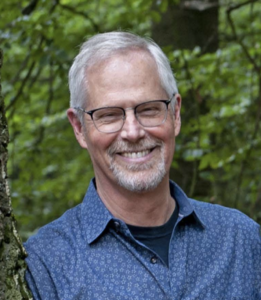
  • Arushi Srivastava

    Arushi Srivastava

    Contributor

    Arushi Srivastava

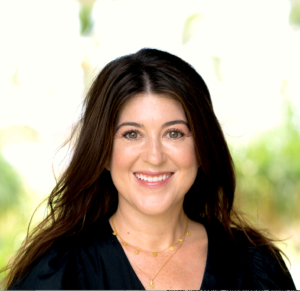
    Arushi is a graduate student at the Rady School of Management, University of California, San Diego. Her research focuses on the intricate ways emotions, including emotion regulation and expression, impact subjective well-being and interpersonal relationships within the context of cultural influences. She has also explored mindfulness, investigating its relationship with subjective well-being and the cultural appropriation of mindfulness practices. Passionate about sharing the benefits of mindfulness with society, Arushi aims to integrate her work and personal experiences to promote these practices. In her spare time, she enjoys coloring mandalas, meditating, and reading books

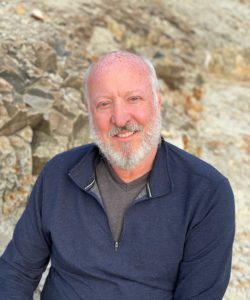
  • Nainika Hira

    Nainika Hira

    Contributor

    Nainika Hira

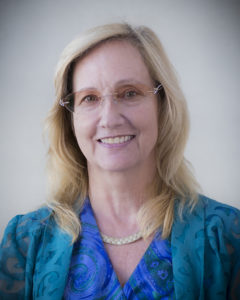
    Nainika Hira is a student of MS in Mental Health Counseling at Wright State University, USA, and a prospective Ph.D. applicant to mindfulness-based labs. Previously, she pursued MA in Clinical Psychology from the University of Delhi, India. Her research interests include contemplative practices, mindfulness-based interventions, positive psychology, stress, and e-mental health. She is a Research Assistant at UCLA Stress Lab and the University of Missouri’s Personality Dynamics Lab. She also worked at Atom, an Indian startup centered around meditation. She was a recipient of the Emerging Researcher Scholarship Award from Mind and Life Institute to be a part of the Summer Research Institute 2022. Additionally, she enjoys meditating and creating music or art. 

  • Interview with Dr. Sahib Khalsa

    Interview with Dr. Sahib Khalsa

    Interview with
    Dr. Sahib Khalsa

    science of mindfulness interview with Sahib Khalsa

    Dr. Sahib Khalsa, M.D., Ph.D.

    Dr. Khalsa graduated from the Medical Scientist Training Program at the University of Iowa, receiving M.D. and Ph.D. (neuroscience) degrees. He is currently the Director of Clinical Operations at the Laureate Institute for Brain Research, and an Associate Professor of Community Medicine at the University of Tulsa. Dr. Khalsa’s research investigates the role of interoception in mental health, with a focus on understanding how changes in internal physiological states influence body perception and the functioning of the human nervous system. His studies utilize a variety of approaches to probe cardiovascular, respiratory, and gastrointestinal interoception including via pharmacological and non-pharmacological techniques, functional magnetic resonance imaging (fMRI), electroencephalography (EEG), and computational modeling.

    Parts of the interview have been edited for clarity and length. 

    What is interoception and why is it important for health?

    Interoception refers to the process by which the nervous system senses, interprets, and integrates information about the internal state of the body. It’s a process that spans multiple levels of functioning within the nervous system, which includes the peripheral nervous system (the autonomic and somatic branches) as well as the central nervous system. Interoception also bridges multiple physiological states. For example, there are many physiological signals which we are not aware of.  For those signals which we are aware of, the degree to which we are aware or conscious of them is sometimes very meaningful, particularly in the context where homeostasis is disrupted and where the integrity of the body is threatened.

    Interoception is important for physical and mental health because it is the primary way that we become aware of internal status of the body. For example, noticing your heart beating strongly in your chest might be called a palpitation. That could be indicative of potentially very serious medical condition like a heart attack or abnormal heart rhythm, so you can think of a major role of interoception is to act an early warning system. Noticing those symptoms could lead somebody to seek help and undergo and diagnostic evaluation, resulting in detection of this pathologic process in the body and, in ideal circumstances, lead to the appropriate treatment and resolution. Dyspnea or difficulty breathing during an asthma attack or pneumonia are other examples physical manifestations, that if left untreated, could have drastic consequences.

    There are also a tremendous number of mental health conditions where the condition itself is diagnosed or characterized by abnormalities of interoception. Using the cardiac example, somebody might come to the Emergency Department complaining of heart palpitations. But at the end of the evaluation, the doctor says that they’re not having a heart attack and their cardiovascular system is intact. In this example, their symptoms might be better explained by a mental health condition such as panic disorder, where a person misinterprets the sensation of their heart beating faster as indicative of impending death. Appetite changes and fatigue in depression, autonomic hypervigilance in PTSD, abdominal fullness in eating disorders, and muscle tension in generalized anxiety disorder are some other examples.

    What is interoceptive psychopathology and how would a specific intervention that targets interoceptive processing help?

    It might be helpful to think of interoceptive psychopathology as the aspects of psychiatric illness or mental health that relate to abnormal processing of the body’s internal state. Interventions targeting the processing of interoceptive symptoms help to recalibrate the abnormal sensory experience. For example, interoceptive exposure therapy for panic disorder is a commonly employed intervention that helps people approach their feared internal body sensations, such as heart palpitations or dyspnea, and learn to avoid misinterpretations or abnormal expectations. No longer fearing or catastrophically misinterpreting body sensations allows people to experience their body and the world environment without hindrance and to ultimately experience a fuller life. While this is one example of a commonly used interoceptive intervention in current clinical practice, there are currently several others in various stages of development.  

    Why is a mixed method approach to science important to your work?

    I include mixed method and multilevel approaches in my work because interoception is a process that covers multiple levels of processing and many types of experiences. It may not be completely understood by focusing on one aspect of an organ system as it interacts with the nervous system, or by focusing only on nervous system signaling. Mixed method approaches which incorporate subjective experiences allow me to develop an integrated understanding of how the processing of interoceptive signals impacts the entire organism, across different levels of awareness. That kind of approach is incredibly important for any type of science, but especially contemplative neuroscience research, where there are many different ways of obtaining insight into the impact of contemplative practices on the human experience.

    Is mindfulness practice able to improve interoception?

    This is a complex question because mindfulness is one component of a contemplative practice, and because there are many types of contemplative practices that have been investigated with respect to their ability to alter interoception. Most studies have utilized cross-sectional approaches that compare those with some degree of meditative or contemplative experience against those without. Studies looking at the interoceptive processing of the heartbeat in practitioners with various levels of contemplative experience have generally found that the accuracy of their ability to sense that signal is no greater than that of people who’ve never meditated. Some studies have also begun to look at the longitudinal impact when you take somebody without any established training and then you give them exposure to contemplative practice, whether it’s in mindfulness practice such as Mindfulness-based Stress Reduction or another practice that has roots in a contemplative or spiritual tradition. This allows us to see what happens with the person’s experience in processing interoceptive signals over time. There is some evidence for changes in the experience of interoceptive signals that happens with these practices, but to my knowledge it’s not the kind of change that most people would think is happening.

    For example, you might be surprised to hear that contemplative practices are not strongly associated with increased accuracy of heartbeat perception. On the other hand, one important point is that accuracy of heartbeat perception is only one aspect of interoceptive awareness, even if it is the most studied process. You can also ask people how often they attend to those the internal body signal like the heartbeat, and you tend to find practitioners endorsing that they feel very familiar with it, that it’s an easy signal for them to perceive, and over time, their sense of that has improved. It would not be a fair statement to say that there is no impact on cardiac interoception.

    You might also be thinking that it is more important to study awareness of the breath since that is a more common focus of sensory processing in many traditions. But it turns out that it’s been very difficult to derive methods for rigorously ascertaining the degree to which somebody can perceive their spontaneously arising respiratory signals. This is partly because of the voluntary regulatory influence that they can exert over this system. For example, try to convince me that your breathing pattern did not change after I told you not to hold your breath. One of the things that I noticed in my initial study of interoceptive awareness in experienced meditators was that as soon as we asked participants to pay attention to their heartbeat sensation, many of them started to change their breathing pattern. In some cases, they felt like it helped them to get into a more focused state of mind. In other cases, they felt like they were able to manipulate the signal of their heartbeat signal better therefore perform better in the task.



    In the ensuing years since we did that study, there have been a number of clever ways to study respiratory interoception. One approach is where you directly manipulate the experience of the breath. You might potentially have somebody breathe through an apparatus and temporarily restrict the airflow as a way of simulating this state of dyspnea, or difficulty breathing. There’s still a lot of unexplored territory in this area and there’s considerable value to moving forward with more sophisticated methods and models. Overall, we need better ways of measuring interoception and more rigorously designed studies to conclusively answer this question.

    “Mixed method approaches which incorporate subjective experiences allow me to develop an integrated understanding of how the processing of interoceptive signals impacts the entire organism, across different levels of awareness. That kind of approach is incredibly important for any type of science, but especially contemplative neuroscience research, where there are many different ways of obtaining insight into the impact of contemplative practices on the human experience.”

    Your study found that meditation is not associated with enhanced interoceptive awareness, yet there have been previous reports of higher subjective ratings and meditators. What might explain this difference

    Some of the discrepancies between studies in this area may have to do with different ways of assessing interoception, and also the fact that studies of cardiac interoception find that most people have a hard time feeling their heartbeat sensations under resting physiological conditions. But we all know what it feels like to experience our heartbeat sensation, and often that happens during periods of increased arousal, excitement, or physical activity.

    Across two studies we found that meditators were not more accurately aware of their heartbeat signal than non-meditators. But we define interoceptive awareness as the entire process of consciously experiencing the internal state of your body, then it would necessarily span things like the ability to detect a sensation, to localize it to particular organ system, to discriminate it from another part of the body, to feel it with a certain level of or magnitude of intensity, in addition to a metacognitive experience of yourself proceeding through that feeling state.

    In our most recent study, we used a pharmacologic stimulation with a medicine that acts peripherally to perturb heartbeat and breathing sensations. We did that in meditators, who had several years of Vipassana meditation experience relative to matched individuals who had did not have any meditation experience. We didn’t find clear evidence of differences in interoceptive accuracy, but we did see evidence that the meditators had a sizeable difference in how and where they experienced their heartbeat sensations in different parts of their bodies. There was also some preliminary evidence that perhaps they were more attentive to that signal.

    Overall, in looking across multiple measures of cardiac interoceptive awareness we didn’t see the findings that we were predicting. I think what that leads to is a greater refinement of subsequent research questions.

    “We didn’t find clear evidence of differences in interoceptive accuracy, but we did see evidence that the meditators had a sizeable difference in how and where they experienced their heartbeat sensations in different parts of their bodies. “

    Science of Mindfulness Interview with Sahib Khalsa
    Photo by Shane Bevel

    How can psychedelics enhance our understanding of the mind-body connection?

    When you look at the impact that psychedelics have, it’s undeniable that there is a strong subjective experience that that they elicit. For some people, that’s incredibly powerful and positive and in others, it can be negative. The enthusiasm for investigating the role of psychedelic interventions for various mental health conditions is predicated on the notion that it’s possible to study them in a systematic and safe manner to achieve long-lasting clinical benefit.

    In terms of how psychedelics might impact the mind-body connection, a common theme I’ve observed is that the onset of the psychoactive effect coincides with changes an interoceptive signals, like the heart rate, blood pressure, or breathing. That perturbation of the bodily state likely has an impact on neural activity in higher levels of the nervous system, but whether or not that’s tied to the psychedelic effect has not been examined. Certainly, you can posit that there’s an increased amount of internal bodily sensation that’s happening. For example, if you look at the subjective experience induced by MDMA (also known as ‘ecstasy’), there’s quite a lot of sensory signals from the skin that are acutely affected as part of the serotonergic effect. But there are other physiological aspects related to the pharmacological action of these drugs on the body. For example, nausea and vomiting can occur in some individuals following ingestion of psilocybin-containing mushrooms or ayahuasca.

    More generally, if you look at how psychedelic interventions are currently delivered, a lot of them incorporate the attenuation of exteroceptive input the nervous system. For example, when people are experiencing the peak of the psychedelic effect, they might wear eyepatches or headphones to reduce or modify the visual and auditory signals received by the brain. One interpretation may be that blocking visual information from the outer world allows the images that are generated during the hallucinogen come to the forefront of the theater of consciousness without impedance by competing images. Whether that magnifies the effect or not I think is probably somewhat of an empirical question, but those are some of the thoughts that come to mind when I when I think of how psychedelics might alter the mind-body connection.

    science of mindfulness interview with sahib khalsa
    Photo by Shane Bevel

    What is Floatation-REST and how does this expand our toolbox for clinical interventions?

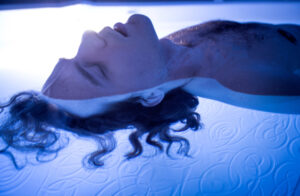
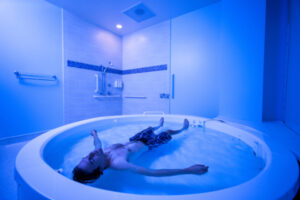
    Floatation-REST (Reduced Environmental Stimulation Therapy) is a non-pharmacological intervention that involves the systematic attenuation of certain kinds of exteroceptive signals to the nervous system, such as reducing visual and auditory input. It’s an intervention that’s delivered using sophisticated engineered environments involving a shallow pool of water that’s been hyper saturated with Epsom salts. When you lay down, your body floats effortlessly on the surface of the water and you don’t have to hold your breath or move your muscles to stay afloat. It’s also a thermally regulated environment where the air temperature and the water temperature are elevated and calibrated to reach the temperature of the surface of your skin. They’re also been colloquially called ‘float tanks’ (the older term is sensory deprivation). However, the intervention does not involve sensory deprivation but rather a form of sensory enhancement.

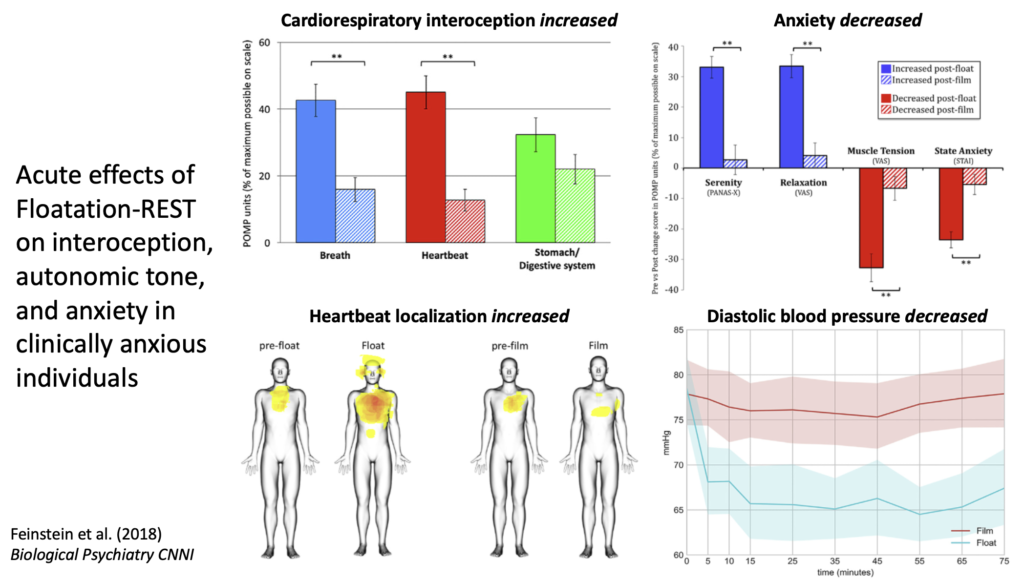
    In our research studies with clinically anxious individuals, we’ve found that the float environment is incredibly stimulating. Both in terms of the intellectual and cognitive experiences that people have when they’re floating and in terms of the enhancement of interoceptive sensation. People routinely experience their heartbeats and their breathing sensations more intensely when they’re in the float environment relative to comparison conditions such as laying in a comfortable chair in a quiet and dimly lit room or watching soothing nature videos. But rather than feeling more anxious and panicked when feeling their heartbeat more intensely, they walk away from the experience feeling more relaxed.

    science of mindfulness interview with Sahib Khalsa
    Flotation Rest data Figure- Feinstein et al. 2018

    Enjoy? Share with your friends

    Picture of Michael Juberg

    Michael Juberg

    Michael is the Founder & Chief Editor of the Science of Mindfulness.

    Related Posts

    science of mindfulness- linda carlson

    Interview with Dr. Linda Carlson

    Dr. Linda Carlson holds the Enbridge Research Chair in Psychosocial Oncology, is Full Professor in Psychosocial Oncology in the Department of Oncology, Cumming School of Medicine at the University of Calgary, and Adjunct Professor in the Department of Psychology.

    Read More »
    Trait Mindfulness and Relationship Satisfaction: The Role of Forgiveness Among Couples

    Trait Mindfulness and Relationship Satisfaction: The Role of Forgiveness Among Couples (Roberts et al., 2020)

    The researchers were interested in understanding if forgiveness acts as a mechanism by which mindfulness relates to relationship satisfaction. They speculated that being mindful would allow individuals to be aware of their own and their partners’ emotions in a non-judgmental and non-reactive way. The increased awareness would make people more forgiving of partner transgressions, thereby enhancing relationship satisfaction.

    Read More »

    Interview with Dr. Erin Bantum

    My work, over the past fifteen years has had a core theme of social support running through it, and I’d like to create an online mindfulness meditation intervention that includes a group component, such that people who have experienced cancer can meet and practice mindfulness meditation together.

    Read More »

    Interview with Dr. Amy Brown

    I didn’t want them to needlessly struggle and suffer as much as I did, and mindfulness is one of those tools that definitely helps us all during this time. I’m helping them in the way that I wish I would have been helped.

    Read More »

    Interview with Dr. Thao Le

    Ultimately, my intention is for it to be a service space to help students, faculty, staff, or anyone from the community to connect with themselves. Don’t we all need to pause?

    Read More »

    Interview with Blake Colaianne

    Blake Colaianne is a former Earth science teacher turned contemplative researcher. He is currently a Ph.D. Candidate in Human Development and Family Studies at Penn State University. His research focuses on supporting adolescent development using both a culture of belonging in high schools and prevention and promotion programs that teach mindfulness and compassion skills.

    Read More »
    zen, buddha, relax

    What is Mindfulness?

    Rather than proposing a single definition, mindfulness might be better understood in relation to the phenomenology of the various contemplative traditions and practices that intend to develop mindfulness.

    Read More »

    What is the Present Moment? Some Warnings about Hanging out in it, and a New Scientific Theory of Meditation

    Ruben Laukkonen is a cognitive neuroscientist at the VU University of Amsterdam. His research focuses on sudden insight experiences and the effects of intensive meditation on the mind and brain. Using a combination of neuroimaging, machine learning, and neuro-phenomenology, Ruben is investigating some of the most rare states of consciousness accessible to human beings. He has published articles in leading journals, given talks at prestigious conferences, and has written on topics that range from artificial intelligence to psychedelics. Ruben has an eclectic contemplative background, including different meditation traditions such as Zen, Advaita, and Theravada.

    Read More »

    Interview with Dr. Juan Rios

    “Whether you call it liberation, theology, transformative justice, mindfulness- we cannot separate those components of practice, all of those things are integrated. Integration brings peace, and peace within is key to embracing the other.”

    Read More »
    THE EMOTION REGULATORY MECHANISMS OF BRIEF OPEN MONITORING MEDITATION

    An electrophysiological investigation on the emotion regulatory mechanisms of brief open monitoring meditation in novice non-meditators (Lin et al., 2020)

    Despite growing knowledge that mindfulness meditation can enhance emotional wellbeing, very little is known about how it all works. How exactly does the act of meditation help us deal with the emotional rollercoaster of everyday life? Is mindfulness training actually “transferrable” to real world situations? What’s going on in the brain? Can we even measure it?

    Read More »

    Interview with Grant Jones

    Grant Jones (he/him) is an artist, contemplative, researcher, and activist. Currently, he is a 3rd Year Clinical Psychology PhD candidate at Harvard University and Co-Founder of The Black Lotus Collective.

    Read More »

    The Power of Their Own Breath

    “We focus on concentration,” Jones says. “So rather than sharpening your focus, which is what happens when you get anxious, the goal is to relax your focus.” The ability to utilize your breath to calm your nervous system is the first step to teaching mindfulness.

    Read More »

    Interview with Dr. Helen Weng

    Dr. Helen Weng is a clinical psychologist and neuroscientist who originally joined the Osher Center for Integrative Medicine in 2014 as a postdoctoral scholar in the Training in Research in Integrative Medicine (TRIM) fellowship. She is developing new ways to quantify meditation skills using functional magnetic resonance imaging (fMRI) and machine learning to identify mental states of body awareness during meditation.

    Read More »

    Interview with Dr. Eric Garland

    Dr. Eric Garland, PhD, LCSW is Presidential Scholar, Associate Dean for Research, and Professor in the University of Utah College of Social Work, Director of the Center on Mindfulness and Integrative Health Intervention Development (C-MIIND), and Associate Director of Integrative Medicine in Supportive Oncology and Survivorship at the Huntsman Cancer Institute.

    Read More »
  • Interview with Dr. Christopher Germer

    Interview with Dr. Christopher Germer

    Interview with
    Dr. Christopher Germer

    Christopher Germer, PhD

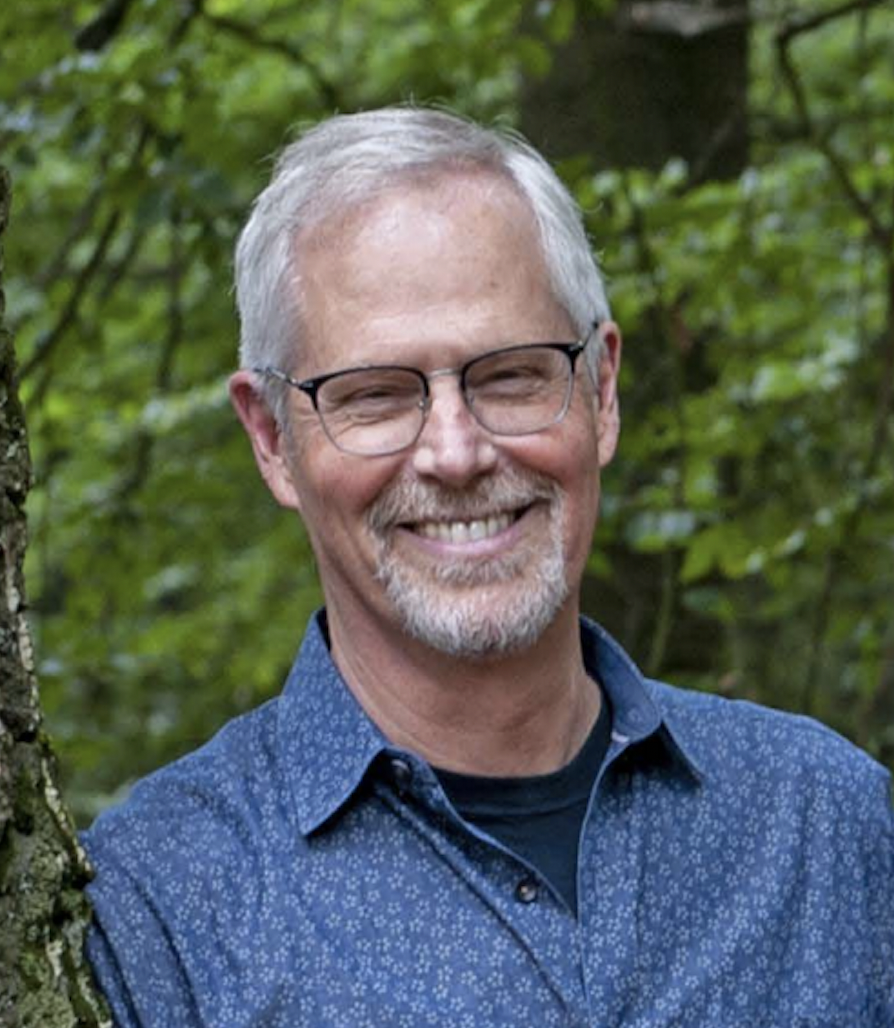
    Christopher Germer, PhD, is a clinical psychologist and lecturer on psychiatry (part-time) at Harvard Medical School. He co-developed the Mindful Self-Compassion program with Dr. Kristin Neff in 2010 and they wrote two books,The Mindful Self-Compassion Workbook and Teaching the Mindful Self-Compassion Program. MSC has been taught to over 200,000 people worldwide. Dr. Germer is also the author of The Mindful Path to Self-Compassion; he co-edited two influential volumes on therapy, Mindfulness and Psychotherapy, and <a href="Wisdom and Compassion in Psychotherapy and he maintains a small psychotherapy practice in Massachusetts, USA.

    Parts of the interview have been edited for clarity and length. 

    How did you first become interested in contemplative science?

    I first became interested in contemplative practice by learning Transcendental Meditation (TM) back in 1976. I had a peak, mystical experience with TM and then I went to India for a year because I didn’t have anybody to talk with about this experience. I traveled the length and breadth of India to meet with saints, sages, yogis, shamans, and other indigenous healers. Between my experiences in India and in meditation, I became convinced that Western psychology was in its infancy compared to the profound philosophical and psychological insights that yogis and meditators were having.

    So, after that, in 1978, I went to graduate school for training in clinical psychology. I’ve spent my entire career committed to integrating Eastern contemplative practice with Western scientific psychology. That’s really what I’ve been up to most of my life.

    How has your personal engagement with self-compassion benefited you?

    Hugely. After I received a PhD in 1984, I moved to Cambridge, Massachusetts where I met colleagues at the Cambridge Hospital who were also on the faculty at Harvard Medical School and were mindfulness meditators. That’s also when I became immersed in mindfulness and began exploring points of intersection between meditation and psychotherapy. In 2005, we wrote a book together, Mindfulness and Psychotherapy, which was the first textbook that made the case for mindfulness in therapy.

    From then onward, I was invited to do more public speaking. Unfortunately, throughout my life, I’d always been afraid of public speaking. That was in spite of being considered an “expert” in anxiety disorders as a clinical psychologist. I knew all the tricks of the trade, but nothing seemed to work for me – exposure, systematic desensitization, beta blockers, mindfulness practices—you name it. This problem came to a head in 2006 as I anticipated speaking at a conference on meditation and psychotherapy that some colleagues and I had organized at Harvard Medical School.

    In desperation, I went on a silent meditation retreat 4 months before the conference and, following the advice of the teacher, I started practicing loving-kindness meditation, especially for myself. Although I had practiced mindfulness for decades before that, I avoided loving-kindness meditation because I preferred pure awareness practice. Now I started saying to myself “May I be safe,” “May I be peaceful…” and immediately noticed that I felt better and also became more mindful. Four months later, at the conference, the usual panic rose up when I got up to speak, but a new voice also rose up, saying, “May you be safe,” “May you be peaceful…,” and my fear vanished. The fear really hasn’t returned.

    That was a huge relief, but the greatest reward was learning about self-compassion. I started looking at psychotherapy through the lens of self-compassion, and eventually met Kristin Neff and we developed the Mindful Self-Compassion course together. After that, there was no turning back.

    science of mindfulness interview with Christopher Germer
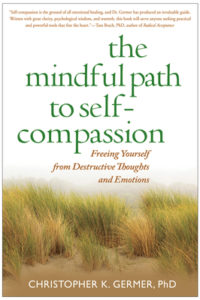
    A practical introduction to self-compassion for a general audience

    Do you feel that clinicians and scientists studying self-compassion should deliberately practice self-compassion and mindfulness?

    Definitely. Self-compassion and mindfulness are embodied practices. We can’t actually understand mindfulness or self-compassion with a conceptual mind; we need to have direct experience. So, in order to bring mindfulness or self-compassion to our work, we also need to practice.

     What are the similarities or differences between mindfulness and self-compassion?

    On an absolute level, when mindfulness and self-compassion are in full bloom, they are nearly identical in a moment of suffering. The heart and the mind are open and aware. However, we don’t spend most of our lives either fully mindful or fully self-compassionate. Since we live most of our lives somewhat mindfully or compassionately, it helps to know how to bring these qualities into balance with one another.

    There is a key difference between mindfulness and self-compassion: Mindfulness is basically loving awareness of moment-to-moment experience, whereas self-compassion is loving awareness of the experiencer—the sense of self, or a sentient being. Compassion is always directed toward a sentient being. Sometimes that sentient being is oneself, which is self-compassion.

    There are some other interesting differences between mindfulness and self-compassion. Mindfulness asks the question, ‘What am I experiencing?’ whereas self-compassion asks the question, ‘What do I need?’ Also, mindfulness dismantles the “self” into moments of experience, whereas self-compassion melts the self with warmth and kindness. In both cases, mindfulness and self-compassion help make the “self” more flexible. Mindfulness and self-compassion also regulate emotion in different ways: mindfulness works by regulating attention—what we’re paying attention to and how we pay attention to it; self-compassion regulates emotions through care and connection.

    Mindfulness and self-compassion are really complementary. Perhaps a simple way to describe the complementarity is to consider mindfulness as “space” and compassion as “warmth.” Space creates warmth and warmth creates space. Together, mindfulness and self-compassion are a powerful combination for regulating difficult emotions, especially the kind we find in psychotherapy.

    “Mindfulness asks the question, ‘What am I experiencing?’ whereas self-compassion asks the question, ‘What do I need?’”

    You developed the Mindful Self-Compassion (MSC) program, along with Dr. Kristin Neff. What brought about its development and what need does it address?

    Back in 2008, Kristin and I attended a silent meditation retreat for scientists, hosted by the Mind & Life Institute. I drove her back to the airport and on the way I said to her, “All the research on self-compassion is great but it’s mostly correlational. You should create a training program for self-compassion to study if self-compassion can be learned and actually help people.” Kristin replied that she’s a researcher and doesn’t do that sort of thing, and that I’m a clinician and work with people all the time. So, in that moment, between us, the idea of MSC was born. The first course took place at the Esalen Institute in 2010 and, since then, over 200,000 people around the world have taken MSC. The research is burgeoning, and shows that self-compassion can be helpful in so many ways—for emotional wellbeing, reducing distress, improving relationships, and enhancing physical health. Self-compassion training is going mainstream, close at the heels of mindfulness, and is currently being adapted for education, medicine, psychology, business, athletics, parenting and other areas of life.

    “The first course took place at the Esalen Institute in 2010 and, since then, over 200,000 people around the world have taken MSC.’”

    Although Kristen and I initially developed this program, MSC is now a project of the international community of teachers. The curriculum is being constantly updated and improved by suggestions from MSC teachers around the world. It’s wonderful to be part of a global community that’s interested spreading compassion, starting with one’s own, inner work.

    MSC can be described as “mindfulness-based self-compassion training.” We’re primarily teaching self-compassion with a less explicit mindfulness component. Mindfulness-based Stress Reduction (MBSR) does the opposite; it’s primarily mindfulness training with a less explicit self-compassion component. MSC and MBSR are complementary, and together they provide nicely balanced training in mindfulness and self-compassion.

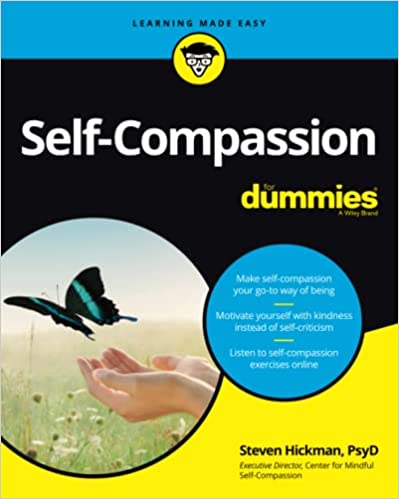
    A Complete Meditation Guide Integrating Buddhist Wisdom and Brain Science for Greater Mindfulness

    How is self-compassion a transdiagnostic mechanism of change?

    The term “transdiagnostic mechanism of change” means that learning to be more self-compassionate can benefit people in therapy who carry a wide variety of different psychological diagnosis, such as anxiety, depression, substance abuse, personality disorders, and so forth. Generally speaking, research shows that as symptoms decrease during therapy, self-compassion tends to increase. In other words, when a person who is depressed is able to be kind to themselves when things go wrong; is able to recognize they’re not entirely alone when they feel bad; and is open and aware of how they’re feeling in the moment—that person is self-compassionate and probably doesn’t need therapy as much anymore.

    Self-compassion as a construct is often separated into two distinct categories of self-warmth and self-coldness. Do MSC or other compassion-based trainings target one versus the other?

    Kristin Neff’s scale, the Self-Compassion Scale (SCS), is the most common scale for measuring self-compassion. It is built on a systemic model such that whenever the so-called ‘warmth’ qualities—kindness, common humanity and mindfulness—increase, the so-called ‘coldness’ qualities—self-criticism, isolation and overidentification—decrease. That is built in and assumed in the scale, but some clinicians try to separate the two sets of qualities. That’s understandable since the therapeutic agenda is to decrease symptoms rather than cultivate positive qualities, but trying to separate the two sets of qualities is not how the scale was designed and is not a valid use of the scale.

    “…when mindfulness and self-compassion are in full bloom, they are nearly identical in a moment of suffering.”

    Your work addresses shame, which is an important aspect of mental health and therapy. What is the relationship between self-compassion and shame?

    In many respects, self-compassion is the opposite of shame. If you look at Kristin’s definition of self-compassion, the negative qualities are key aspects of shame—loneliness, self-criticism, and self-absorption. So, theoretically, we can say self-compassion is the opposite of shame, and when we are behaving compassionately toward ourselves, we are automatically reducing shame.

    Shame is essentially an attack on our sense of “self.” When we’re being criticized or blamed, our self-worth takes a hit. Self-worth or self-esteem is usually determined by external approval and validation, but self-compassion provides an alternate source of self-worth, namely, inner kindness. Therefore, the self-worth that comes from self-compassion is more stable. We carry it wherever we go. And it dismantles shame.

    How can therapists and other providers benefit from integrating self-compassion into their practices?

    Let’s face it—caregiving can be difficult. As empathic human beings, we feel the pain of others as our own and, over time, it can be too much to bear. That’s compassion fatigue. Compassion fatigue can be as mild as mind wandering during a session, but it can also lead to physical and mental exhaustion and illness. Luckily, research shows that self-compassion is an antidote to compassion fatigue and burnout. The idea is that when we have no more compassion to give to others, we need to do a U-turn and give compassion to ourselves.

    Self-compassion calms and soothes the nervous system and puts us in a caring frame of mind, which can then be extended to others. Self-compassion can also be practiced during therapy itself—we don’t have to go home to replenish ourselves. One elegant way of doing this during therapy is to track our breath going in and out of the body, and make the in-breath for ourselves and the out-breath for our clients.

    Self-compassion is also a powerful resource for clients. There are three main levels that self-compassion can be integrated into therapy: (1) compassionate presence of the therapist, (2) compassionate, therapeutic relationship, and (3) compassionate interventions, or home practices. Therapists tend to focus on home practices that they can teach their clients, but home practices should ideally emerge from a compassionate dialogue with a compassionate therapist. When that happens, the client is more likely to practice and also discuss obstacles that may arise during practice.

    As the evidence base for self-compassion continues to expand, how do you envision compassion-based training shaping psychotherapy?

    It’s now over 20 years since Paul Gilbert in the UK first conceived of compassion-based therapy. Compassion is currently embedded in the “third wave” paradigm of empirically-based therapy, namely “mindfulness-, acceptance-, and compassion-based therapy.” Whereas mindfulness focuses mostly on attention, and acceptance focuses primarily on non-avoidance, compassion-based therapy focuses on goodwill, warmth, caring and connection to oneself and others.

    But compassion and self-compassion are not new. Compassion has always been implied in the term “empathy” in psychotherapy, and an empathic therapeutic alliance accounts for the largest portion of positive psychotherapy outcomes. Self-compassion has also been present in psychotherapy under the umbrella of “self-acceptance.” With the advent of mindfulness, however, the focus of “acceptance” shifted to moment-to-moment experience and away from the “self.” Now, acceptance of the “self” is back in vogue and clinicians are integrating both types of acceptance into therapy.

    Compassion research is confirming the importance of heart qualities such as loving-kindness and compassion in effective therapy. Freud recommended “evenly hovering attention” as the ideal attitude of the therapist, but he offered no particular way of cultivating it. Now therapists can practice meditation to increase their mindfulness and compassion in the therapy room. We also have a plethora of compassion-based interventions that clients can apply between sessions to cultivate the resources of compassion and self-compassion. Compassion is also being integrated into more traditional therapy techniques. For example, rather than simply exposing oneself to a feared stimulus, clients can learn self-compassion as a tool to tolerate and transform their fear, alongside exposure. Overall, due to burgeoning research, the future is bright for compassion and self-compassion in therapy.


    science of mindfulness interview with Christopher Germer
    This wise and eloquent book illuminates the power of self-compassion and offers creative, scientifically grounded strategies for putting it into action.

    Enjoy? Share with your friends

    Picture of Michael Juberg

    Michael Juberg

    Michael is the Founder & Chief Editor of the Science of Mindfulness.

    Related Posts

    science of mindfulness- linda carlson

    Interview with Dr. Linda Carlson

    Dr. Linda Carlson holds the Enbridge Research Chair in Psychosocial Oncology, is Full Professor in Psychosocial Oncology in the Department of Oncology, Cumming School of Medicine at the University of Calgary, and Adjunct Professor in the Department of Psychology.

    Read More »
    Trait Mindfulness and Relationship Satisfaction: The Role of Forgiveness Among Couples

    Trait Mindfulness and Relationship Satisfaction: The Role of Forgiveness Among Couples (Roberts et al., 2020)

    The researchers were interested in understanding if forgiveness acts as a mechanism by which mindfulness relates to relationship satisfaction. They speculated that being mindful would allow individuals to be aware of their own and their partners’ emotions in a non-judgmental and non-reactive way. The increased awareness would make people more forgiving of partner transgressions, thereby enhancing relationship satisfaction.

    Read More »

    Interview with Dr. Erin Bantum

    My work, over the past fifteen years has had a core theme of social support running through it, and I’d like to create an online mindfulness meditation intervention that includes a group component, such that people who have experienced cancer can meet and practice mindfulness meditation together.

    Read More »

    Interview with Dr. Amy Brown

    I didn’t want them to needlessly struggle and suffer as much as I did, and mindfulness is one of those tools that definitely helps us all during this time. I’m helping them in the way that I wish I would have been helped.

    Read More »

    Interview with Dr. Thao Le

    Ultimately, my intention is for it to be a service space to help students, faculty, staff, or anyone from the community to connect with themselves. Don’t we all need to pause?

    Read More »

    Interview with Blake Colaianne

    Blake Colaianne is a former Earth science teacher turned contemplative researcher. He is currently a Ph.D. Candidate in Human Development and Family Studies at Penn State University. His research focuses on supporting adolescent development using both a culture of belonging in high schools and prevention and promotion programs that teach mindfulness and compassion skills.

    Read More »
    zen, buddha, relax

    What is Mindfulness?

    Rather than proposing a single definition, mindfulness might be better understood in relation to the phenomenology of the various contemplative traditions and practices that intend to develop mindfulness.

    Read More »

    What is the Present Moment? Some Warnings about Hanging out in it, and a New Scientific Theory of Meditation

    Ruben Laukkonen is a cognitive neuroscientist at the VU University of Amsterdam. His research focuses on sudden insight experiences and the effects of intensive meditation on the mind and brain. Using a combination of neuroimaging, machine learning, and neuro-phenomenology, Ruben is investigating some of the most rare states of consciousness accessible to human beings. He has published articles in leading journals, given talks at prestigious conferences, and has written on topics that range from artificial intelligence to psychedelics. Ruben has an eclectic contemplative background, including different meditation traditions such as Zen, Advaita, and Theravada.

    Read More »

    Interview with Dr. Juan Rios

    “Whether you call it liberation, theology, transformative justice, mindfulness- we cannot separate those components of practice, all of those things are integrated. Integration brings peace, and peace within is key to embracing the other.”

    Read More »
    THE EMOTION REGULATORY MECHANISMS OF BRIEF OPEN MONITORING MEDITATION

    An electrophysiological investigation on the emotion regulatory mechanisms of brief open monitoring meditation in novice non-meditators (Lin et al., 2020)

    Despite growing knowledge that mindfulness meditation can enhance emotional wellbeing, very little is known about how it all works. How exactly does the act of meditation help us deal with the emotional rollercoaster of everyday life? Is mindfulness training actually “transferrable” to real world situations? What’s going on in the brain? Can we even measure it?

    Read More »

    Interview with Grant Jones

    Grant Jones (he/him) is an artist, contemplative, researcher, and activist. Currently, he is a 3rd Year Clinical Psychology PhD candidate at Harvard University and Co-Founder of The Black Lotus Collective.

    Read More »

    The Power of Their Own Breath

    “We focus on concentration,” Jones says. “So rather than sharpening your focus, which is what happens when you get anxious, the goal is to relax your focus.” The ability to utilize your breath to calm your nervous system is the first step to teaching mindfulness.

    Read More »

    Interview with Dr. Helen Weng

    Dr. Helen Weng is a clinical psychologist and neuroscientist who originally joined the Osher Center for Integrative Medicine in 2014 as a postdoctoral scholar in the Training in Research in Integrative Medicine (TRIM) fellowship. She is developing new ways to quantify meditation skills using functional magnetic resonance imaging (fMRI) and machine learning to identify mental states of body awareness during meditation.

    Read More »

    Interview with Dr. Eric Garland

    Dr. Eric Garland, PhD, LCSW is Presidential Scholar, Associate Dean for Research, and Professor in the University of Utah College of Social Work, Director of the Center on Mindfulness and Integrative Health Intervention Development (C-MIIND), and Associate Director of Integrative Medicine in Supportive Oncology and Survivorship at the Huntsman Cancer Institute.

    Read More »
  • What is Mindful Self-Compassion (MSC)?

    What is Mindful Self-Compassion (MSC)?

    What is Mindful
    Self-Compassion (Msc)?

    Photo by Giulia Bertelli via Unsplash

    Mindful Self-Compassion (MSC)

    Mindful Self-Compassion, also known as MSC, is an evidence-based group training that was developed originally by Christopher Germer, PhD (clinical psychologist, Harvard Medical School) and Kristin Neff, PhD (developmental psychologist, University of Texas, Austin). Inspired by research studies showing that self-compassion is consistently associated with health and wellbeing, MSC was designed to help people become more self-compassionate. MSC is “mindfulness-based self-compassion training” and is complementary to the MBSR training. Based on Kristin Neff’s definition of self-compassion, MSC specifically teaches mindfulness versus overidentification, common humanity versus isolation, and self-kindness versus self-criticism. By becoming more self-compassionate, participants find it easier to manage difficult emotions and make positive changes in their lives.

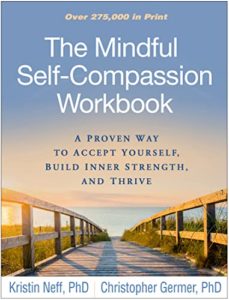
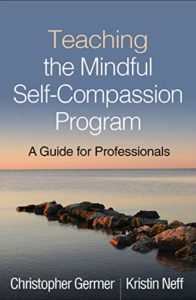
    Course Format: The MSC program follows a manualized protocol described in Teaching the Mindful Self-Compassion Program (Germer & Neff, 2019). The Mindful Self-Compassion Workbook (Neff & Germer, 2018) is used by participants in conjunction with MSC. MSC is an 8-week, 9-session program with 24+ hours of direct classroom content, and is taught in-person or online. The first two sessions introduce participants to mindfulness, self-compassion and the program itself, especially by embracing each participant’s unique identities. In session 3, participants start to warm up their awareness with loving-kindness practice. Sessions 4-7 teach participants how to be self-compassionate when they encounter challenging situations such as difficult emotions and relationships. Session 8 shows participants how to savor the positive aspects of our lives. MSC includes 7 formal meditations, 20 informal practices, and 14 class exercises. Graduates of MSC are encouraged to continue to practice self-compassion in whatever form is most meaningful to them and to stay connected with the global community of practitioners.

    “By cultivating warmth and goodwill towards ourselves when we struggle, fail or feel inadequate, we feel safer and more connected to ourselves and others, which enhances our awareness, helps us make better decisions, motivates us to live in accord with our core values, and allows us to be more fully human.”

    Instructor Requirements: Similar to other mindfulness-based programs, there is a formal teacher training process with certain prerequisites, including an established mindfulness practice of at least 2 years, participation in a MSC class, a silent meditation retreat, and previous experience teaching meditation in groups. MSC teacher training is coordinated through the Center for MSC and includes 3 steps: a teacher training course (in-person or online), an online teacher practicum, and online group consultation while teaching one’s first class. While teaching MSC, teachers are required to have a personal mindfulness and self-compassion practice, and they are strongly encouraged to continue evolving as teachers through engagement with the global community of MSC teachers.

    Course Outcomes: MSC was designed to develop the inner resource of self-compassion. According to empirical studies, MSC participants report increases self-compassion, compassion for others, mindfulness, happiness, and life satisfaction, and reductions in stress, anxiety and depression.

    Clinical Populations: Although MSC was developed for the general population, it has also been adapted for clinical populations. For example, among people suffering from chronic pain, MSC enhanced pain acceptance and reduce pain interference compared to cognitive behavioral therapy. In a sample of diabetics, MSC reduced distress about diabetes-specific distress and glucose levels. An adaptation of MSC for healthcare providers reduced secondary traumatic distress and burnout. MSC adapted for adolescents enhanced social connection and reduced anxiety. Participants must be aware that self-compassion training can activate old emotional wounds. MSC teachers are committed to helping participants feel safe and comfortable during the course, but participants need to take primary responsibility for their own wellbeing.

    The Official MSC Workbook

    science of mindfulness interview with Christopher Germer
    Buy it on Amazon

    The Official MSC Guide for Professionals

    Buy it on Amazon
    References (Updated 2022)


    1. Albertson, E. R., Neff, K. D., & Dill-Shackleford, K. E. (2014). Self-Compassion and Body Dissatisfaction in Women: A Randomized Controlled Trial of a Brief Meditation Intervention. Mindfulness, 1-11.  PDF
    2. Bluth, K., & Eisenlohr-Moul, T. A. (2017). Response to a mindful self-compassion intervention in teens: A within-person association of mindfulness, self-compassion, and emotional well-being outcomes. Journal of Adolescence57, 108-118. PDF
    3. Bluth, K., Gaylord, S. A., Campo, R. A., Mullarkey, M. C., & Hobbs, L. (2015). Making Friends with Yourself: A Mixed Methods Pilot Study of a Mindful Self-Compassion Program for Adolescents. Mindfulness, 1-14. PDF
    4. Bluth, K., Lathren, C., Silbersack Hickey, J. V. T., Zimmerman, S., Wretman, C. J., & Sloane, P. D. (2021). Self-compassion training for certified nurse assistants in nursing homes. Journal of the American Geriatrics Society, 69(7), 1896–1905. PDF
    5. Boggiss, A. L., Consedine, N. S., Schache, K. R., Jefferies, C., Bluth, K., Hofman, P. L., & Serlachius, A. S. (2020). A brief self-compassion intervention for adolescents with type 1 diabetes and disordered eating: A feasibility study. Diabetic Medicine, 37(11), 1854–1860. PDF
    6. Brooker, J., Julian, J., Millar, J., Prince, H. M., Kenealy, M., Herbert, K., … & Frydenberg, M. (2020). A feasibility and acceptability study of an adaptation of the Mindful Self-Compassion program for adult cancer patients. Palliative & Supportive Care18(2), 130-140. PDF
    7. Campo, R. A., Bluth, K., Santacroce, S. J., Knapik, S., Tan, J., Gold, S., … & Asher, G. N. (2017). A mindful self-compassion videoconference intervention for nationally recruited posttreatment young adult cancer survivors: feasibility, acceptability, and psychosocial outcomes. Supportive Care in Cancer25(6), 1759-1768. PDF
    8. Delaney, M. C. (2018). Caring for the caregivers: Evaluation of the effect of an eight-week pilot mindful self-compassion (MSC) training program on nurses’ compassion fatigue and resilience. PloS one13(11), e0207261. PDF
    9. Finlay-Jones, A., Strauss, P., Perry, Y., Waters, Z., Gilbey, D., Windred, M., Murdoch, A., Pugh, C., Ohan, J. L., & Lin, A. (2021). Group mindful self-compassion training to improve mental health outcomes for LGBTQIA+ young adults: Rationale and protocol for a randomised controlled trial. Contemporary Clinical Trials, 102, 106268. PDF
    10. Finlay-Jones, A., Xie, Q., Huang, X., Ma, X., & Guo, X. (2017). A Pilot Study of the 8-Week Mindful Self-Compassion Training Program in a Chinese Community Sample. Mindfulness, 1-10. PDF
    11. Friis, A. M., Johnson, M. H., Cutfield, R. G., & Consedine, N. S. (2016). Kindness matters: a randomized controlled trial of a mindful self-compassion intervention improves depression, distress, and HbA1c among patients with diabetes. Diabetes Care, dc160416. PDF
    12. Guo, L., Zhang, J., Mu, L., & Ye, Z. (2020). Preventing Postpartum Depression With Mindful Self-Compassion Intervention: A Randomized Control Study. The Journal of Nervous and Mental Disease208(2), 101-107. PDF 
    13. Halamova, J., Kanovsky, M., Jakubcova, K., & Kupeli, N. (2020). Short online compassionate intervention based on Mindful Self-Compassion program. Československá Psychologie, 64(2), 236–250. PDF
    14. Jiménez-Gómez, L., Yela, J. R., Crego, A., Melero-Ventola, A. R., & Gómez-Martínez, M. Á. (2022). Effectiveness of the Mindfulness-Based Stress Reduction (MBSR) vs. The Mindful Self-Compassion (MSC) programs in clinical and health psychologist trainees. Mindfulness. PDF
    15. Lathren, C., Bluth, K., Campo, R., Tan, W., & Futch, W. (2018). Young adult cancer survivors’ experiences with a mindful self-compassion (MSC) video-chat intervention: A qualitative analysis. Self and Identity17(6), 646-665. PDF
    16. Lathren, C., Sheffield-Abdullah, K., Sloane, P. D., Bluth, K., Hickey, J. V. T. S., Wretman, C. J., Phillips, L. P., & Zimmerman, S. (2021). Certified nursing assistants’ experiences with self-compassion training in the nursing home setting. Geriatric Nursing, 42(6), 1341–1348. PDF
    17. Lutz, J., Berry, M. P., Napadow, V., Germer, C., Pollak, S., Gardiner, P., Edwards, R.R., Desbordes, G., & Schuman-Olivier, Z. (2020). Neural activations during self-related processing in patients with chronic pain and effects of a brief self-compassion training–a pilot study. Psychiatry Research: Neuroimaging, 111155. PDF
    18. Neff, K. D., & Germer, C. K. (2013). A pilot study and randomized controlled trial of the Mindful Self-Compassion program. Journal Of Clinical Psychology, 69(1), 28-44.  PDF
    19. Neff, K. D., Knox, M. C., Long, P., Gregory, K. (2020). Caring for others without losing yourself: An adaptation of the Mindful Self-Compassion program for healthcare communities. Journal of Clinical Psychology. DOI: 10.1002/jclp.23007  PDF
    20. Serpa, J. G., Bourey, C. P., Adjaoute, G. N., & Pieczynski, J. M. (2020). Mindful Self-Compassion (MSC) with Veterans: a Program Evaluation. Mindfulness, 1-9. PDF
    21. Smeets, E., Neff, K., Alberts, H., & Peters, M. (2014). Meeting Suffering With Kindness: Effects of a Brief Self-Compassion Intervention for Female College Students. Journal of clinical psychology, 70(9), 794-807.  PDF
    22. Torrijos-Zarcero, M., Mediavilla, R., Rodríguez-Vega, B., Del Río-Diéguez, M., López-Álvarez, I., Rocamora-González, C., & Palao-Tarrero, Á. (2021). Mindful Self-Compassion program for chronic pain patients: A randomized controlled trial. European Journal of Pain, 25(4), 930–944. PDF
    23. Yela, J. R., GómezMartínez, M. Á., Crego, A., & Jiménez, L. (2020). Effects of the Mindful SelfCompassion programme on clinical and health psychology trainees’ wellbeing: A pilot study. Clinical Psychologist24(1), 41-54. PDF
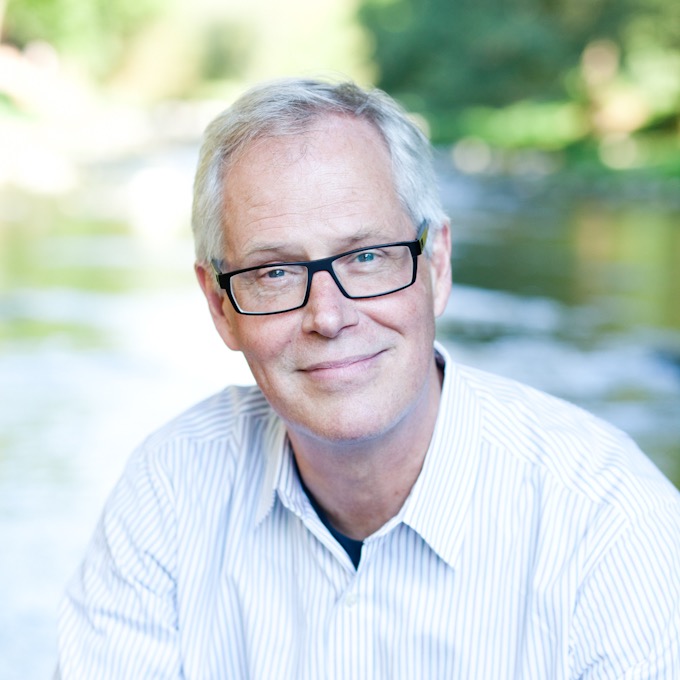
    Picture of Dr. Christopher Germer

    Dr. Christopher Germer

    Chris Germer, PhD is a clinical psychologist and lecturer on psychiatry (part-time) at Harvard Medical School. He co-developed the Mindful Self-Compassion (MSC) program with Kristin Neff in 2010.

    Enjoy? Share with your friends

    Related Posts

    Trait Mindfulness and Relationship Satisfaction: The Role of Forgiveness Among Couples

    Trait Mindfulness and Relationship Satisfaction: The Role of Forgiveness Among Couples (Roberts et al., 2020)

    The researchers were interested in understanding if forgiveness acts as a mechanism by which mindfulness relates to relationship satisfaction. They speculated that being mindful would allow individuals to be aware of their own and their partners’ emotions in a non-judgmental and non-reactive way. The increased awareness would make people more forgiving of partner transgressions, thereby enhancing relationship satisfaction.

    Read More »
    zen, buddha, relax

    What is Mindfulness?

    Rather than proposing a single definition, mindfulness might be better understood in relation to the phenomenology of the various contemplative traditions and practices that intend to develop mindfulness.

    Read More »

    What is the Present Moment? Some Warnings about Hanging out in it, and a New Scientific Theory of Meditation

    Ruben Laukkonen is a cognitive neuroscientist at the VU University of Amsterdam. His research focuses on sudden insight experiences and the effects of intensive meditation on the mind and brain. Using a combination of neuroimaging, machine learning, and neuro-phenomenology, Ruben is investigating some of the most rare states of consciousness accessible to human beings. He has published articles in leading journals, given talks at prestigious conferences, and has written on topics that range from artificial intelligence to psychedelics. Ruben has an eclectic contemplative background, including different meditation traditions such as Zen, Advaita, and Theravada.

    Read More »
    THE EMOTION REGULATORY MECHANISMS OF BRIEF OPEN MONITORING MEDITATION

    An electrophysiological investigation on the emotion regulatory mechanisms of brief open monitoring meditation in novice non-meditators (Lin et al., 2020)

    Despite growing knowledge that mindfulness meditation can enhance emotional wellbeing, very little is known about how it all works. How exactly does the act of meditation help us deal with the emotional rollercoaster of everyday life? Is mindfulness training actually “transferrable” to real world situations? What’s going on in the brain? Can we even measure it?

    Read More »

    The Power of Their Own Breath

    “We focus on concentration,” Jones says. “So rather than sharpening your focus, which is what happens when you get anxious, the goal is to relax your focus.” The ability to utilize your breath to calm your nervous system is the first step to teaching mindfulness.

    Read More »