Category: Interviews with the Experts

  • Interview with Dr. Linda Carlson

    Interview with Dr. Linda Carlson

    Interview with
    Dr. Linda Carlson

    science of mindfulness- linda carlson

    Dr. Linda Carlson Ph.D. C. Psych

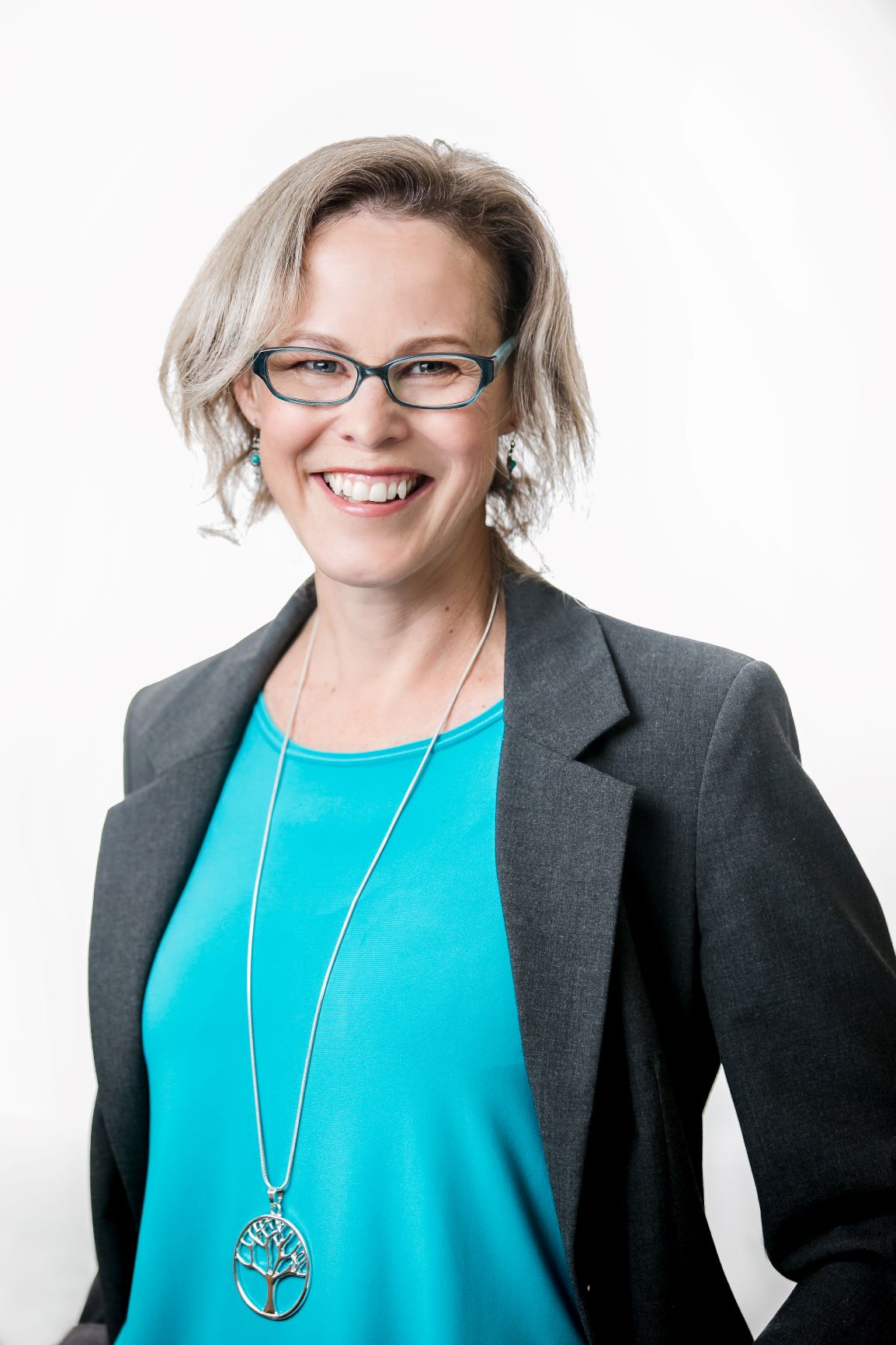
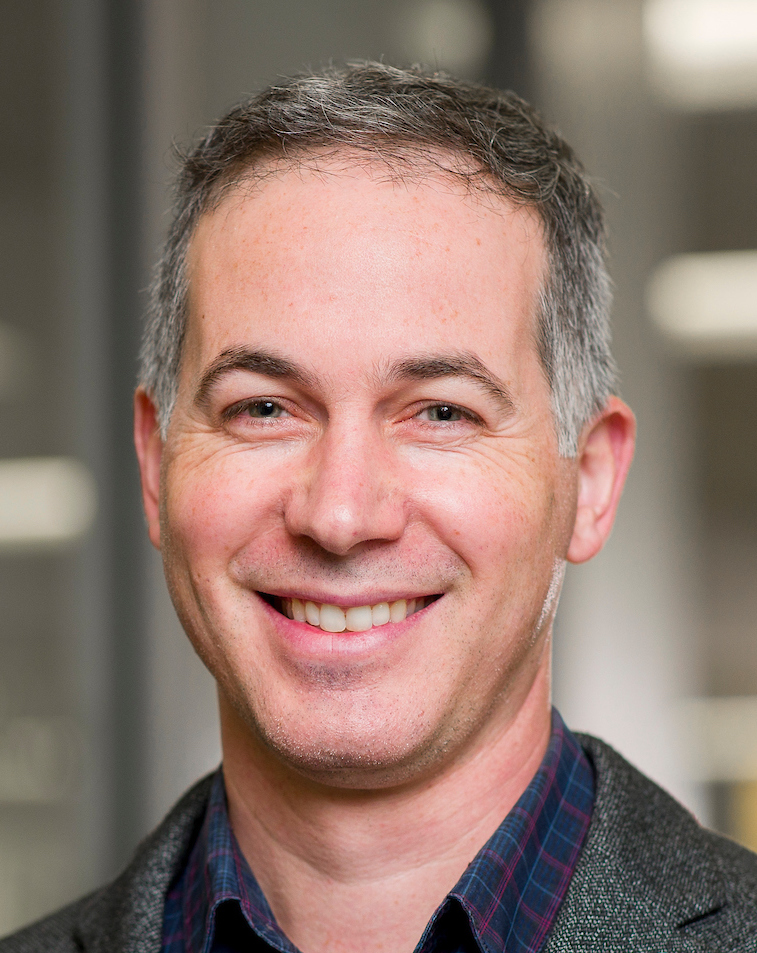
    Dr. Linda Carlson holds the Enbridge Research Chair in Psychosocial Oncology, is Full Professor in Psychosocial Oncology in the Department of Oncology, Cumming School of Medicine at the University of Calgary, and Adjunct Professor in the Department of Psychology. She is the Director of Research and works as a Clinical Psychologist at the Department of Psychosocial Resources at the Tom Baker Cancer Centre (TBCC). Dr. Carlson’s research in Psychosocial Oncology, Integrative Oncology and Mindfulness-Based Cancer Recovery has been published in many high-impact journals and book chapters, and she published a patient manual in 2011 with Michael Speca entitled: Mindfulness-Based Cancer Recovery: A step-by-step MBSR approach to help you cope with treatment and reclaim your life, in addition to a professional training manual in 2009 (2nd Edition 2017) with Shauna Shapiro entitled The Art and Science of Mindfulness: Integrating mindfulness into psychology and the helping professions.

    Some parts of this interview have been edited for length and clarity.

    What is psychosocial oncology and why is this field important? 

    Psychosocial oncology is the study of the social, emotional, and interpersonal aspects of dealing with cancer from the point of diagnosis through treatment, post-treatment, survivorship, and end of life. We’re looking at the impacts of the cancer diagnosis with regards to things like symptoms and side effects, which are very common such as high levels of distress, anxiety, depression, and symptoms such as fatigue, difficulties with sleeping, and pain. These kinds of problems tend to be long lasting well after treatment completion. Even if people have been treated with curative intent, and there’s a good prognosis, many still suffer with a lot of these lingering problems including fear of cancer recurrence. That’s what led to the need to have psychosocial interventions to support people, typically through cancer, but often post cancer in the survivorship phase. 

    What is Mindfulness-based Cancer Recovery (MBCR) and what led to its inception?

    We need to step back a few decades first. I did my PhD in Clinical Psychology in the 1990’s, at McGill University. During that time, I became familiar with Jon Kabat-Zinn and his MBSR program. As a student, I also started meditating. I had an interest even though my PhD was in psychoneuroimmunology. So it was looking at the mind-body connection more broadly, and I had a personal interest in mindfulness and yoga. When I moved to Calgary and started working at the cancer center, there was a group of other clinicians who also had a personal interest in meditation and yoga. I brought some knowledge of the MBSR paradigm. We came up with this intervention, specific to people with cancer that addressed some of the issues I outlined earlier. 

    In addition to the expected symptoms people are dealing with, there are also existential issues around uncertainty, loss of control and mortality. Those kinds of bigger picture issues, as well as just day-to-day coping with stress, pain, and fatigue, needed addressing. We adapted the MBSR model specifically for people with cancer, and just started doing clinical trials. This was about 1998. Our first study was published in the year 2000. That was actually the first study of mindfulness for people with cancer in the literature, and since then, through the next almost 25 years, we’ve just continued to do more and different types of studies,  as have other people all around the world. Now there’s a very strong evidence base to support mindfulness-based interventions for people with cancer.

    science of mindfulness- tai chi
    Tai Chi photo by Irham Bahtiar on Unsplash

    What is Tai Chi and Qigong and what potential does it have for psychosocial oncology?

    There are a whole range of different mind-body therapies or energy therapies that have been investigated for people with cancer, and these include mindfulness, yoga, imagery, relaxation, hypnosis, and another one from traditional Chinese medicine is Tai Chi, which was originally a form of martial art that was used in defense, but it’s since been adapted as a health practice. There’s also Qigong, which actually comes directly from traditional Chinese medicine. 

    Tai Chi you might think of as older people in the park doing all this slow choreographed movement. Those are called forms. And in traditional Tai Chi, there’s something like 24 forms and it’s quite complex to learn them all. Qigong tends to be simpler.  Each move has a posture that might be flowing, or it might be static, and then there’s a breathing pattern that goes with it, and a focus on directing energy. And so the intervention we’ve been studying we call TCQ, for Tai Chi Qigong, it’s like a simplified version that my colleague Peter Wayne at Harvard developed as an adaptation. So in a study we’ve done (called the MATCH Study), we compared this TCQ program to our Mindfulness-Based Cancer Recovery program in over 600 cancer survivors in a multisite trial in Calgary and Toronto, looking at a really broad range of different outcomes- psychosocial, physical, and biomarker as well. The study is done but we haven’t published any of the results yet. 

    “I find it interesting that people seem so excited when you show that a mindfulness-based intervention can change cytokines like immune function, telomere length, or affect gene expression. That’s cool, but what’s important to me is that a person feels better; that their anxiety has gone down, they can cope, have a better quality of life, they’re sleeping better, and that their pain is managed.”

    How can technology help deliver mindfulness interventions to cancer patients? 

    There are issues around accessibility, scalability, sustainability, basically, access issues. In-person programs are only accessible to people who happen to live in a city where the programs are available. As we know, they’re not everywhere. There are also other barriers around cost and time and transportation. So really, if you want to get these types of interventions out to a lot of people at a low cost, technology is one way to do that. So we’ve developed both online interactive Mindfulness-Based Cancer Recovery as well as through an app, where weadapted the program into an app format. We’ve done studies on both of those. We have also developed and are testing a virtual reality version of mindfulness for pain management.

    What is the AmDTx app?

    It’s called AmDTx (like “I am“). It’s a larger generic mindfulness app that has been developed by a company we’ve worked with called Mobio Interactive . The Am app itself is really cool. It offers consecutive ‘journeys’ you can take, has a whole library of different meditations, teachings, as well as practices. It has ways to interact with the app like a feature where it uses the camera to measure blood flow, and comes up with a biological stress score. It also has a mood board where you can map your mood, and then it suggests meditations based on how you’re feeling. Within that, it’s got these series of journeys. And so ours is called the Mindfulness-Based Cancer Survivorship Journey. It’s within the larger AmDtx app.

    Do you envision that mindfulness apps would eventually become a free tool for the public?

    Many apps already are a free tool for the public. Everybody has access! What’s lacking is a rigorous investigation of who they help and in what ways do they help? Science is beginning to catch up with the commercialization of it. We’re starting to see some evidence that there may be benefits, but we still need to do a lot more research. You know, it’s not anywhere near the evidence base that we have for in-person programs right now. I’m from Canada, where healthcare is public and free. I believe that anything that’s part of our healthcare system should not be at cost. 
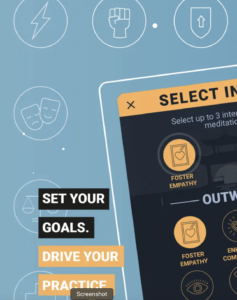

    AmDTX via Mobio Interactive

    Do you think that mobile health (mHealth) mindfulness-based interventions will replace traditional in person mindfulness programs?

    I hope not. There’s always a place for in-person programs. One of the questions around designing mobile apps is how much of that relationship with the teacher or the instructor can we incorporate, and is there a real need to incorporate that? In my opinion, it’s never going to be the same. If it’s just a series of guided meditations, that’s the very lowest common denominator. I feel like guided meditations are just the tip of the iceberg. The philosophy behind the practices are just as important. So apps that include that would likely be better.  

    What we’re really doing is creating a shift in how people think about the universe, how they live their lives. It’s as Dr. Jon Kabat-Zinn would always say, ‘an orthogonal rotation of consciousness,’ like you are approaching life in a completely different way after you participate in a mindfulness-based intervention. If you just listen to some guided meditations on an app, it might be helping you regulate your level of physiological arousal but it may not be shifting your consciousness in the same way as practicing through a program does. In a program there is a lot more discussion around application and theoretical concepts around mindfulness, what causes suffering, and the intersection of a mindfulness-based approach and the cessation of suffering. It’s not something you necessarily get from doing a guided body scan. So you need to be experiential, but also understand the theoretical underpinnings. 

    For the people who’ve been through our program, we follow them up years later. And many of them are not still practicing formally. But they still report lasting benefits because they live their life more in accordance with the attitudes that we teach: acceptance, letting go, and non-attachment, for example. Those things are fundamental, especially for people who are going to spend the rest of their lives worrying about cancer coming back. So I don’t see apps ever replacing that. Maybe there’s a possibility, but the digital health interventions would have to be quite different than the mindfulness apps are now.

    “…many of them are not still practicing formally. But they still report lasting benefits because they live their life more in accordance with the attitudes that we teach: acceptance, letting go, and non-attachment, for example. Those things are fundamental, especially for people who are going to spend the rest of their lives worrying about cancer coming back.”

    If there’s one scientific discovery that you hope to make in your lifetime, what would it be?

    I don’t think about it that way, like there’s something out there to discover; it’s problems that need to be solved. I guess the fundamental problem I’ve been trying to solve my entire career is how to live your life in a way that is joyful, with ease, compassionately, that helps you get through whatever life throws at you, whether it’s a cancer diagnosis, or whether it’s a mental health problem, whatever it is. Those are the bigger problems I hope to address in my life’s work.

    “What we’re really doing is creating a shift in how people think about the universe, how they live their lives. It’s as Dr. Jon Kabat-Zinn would always say, ‘an orthogonal rotation of consciousness,’ like you are approaching life in a completely different way after you participate in a mindfulness-based intervention.”

    Read her Books
    Mindfulness-Based Cancer Recovery: A Step-by-Step MBSR Approach to Help You Cope with Treatment and Reclaim Your Life

    If you have received a cancer diagnosis, you know that the hundreds of questions and concerns you have about what’s to come can be as stressful as the cancer treatment itself. But research shows that if you mentally prepare yourself to handle cancer treatment by getting stress and anxiety under control, you can improve your quality of life and become an active participant in your own recovery.
    The Art and Science of Mindfulness: Integrating Mindfulness Into Psychology and the Helping Professions

    Intention is fundamental to any project, endeavor, or journey. Related to intention is the concept of mindfulness – the awareness that arises through intentionally attending to oneself and others in an open, caring, and nonjudgmental way. Authors Shapiro and Carlson draw from Eastern wisdom and practices as well as Western psychological theory and science to explore why mindful awareness is integral to the therapeutic healing process and to show clinicians how to connect with this deeper awareness.

    Enjoy? Share with your friends

    Related Posts

  • Interview with Dr. Sahib Khalsa

    Interview with Dr. Sahib Khalsa

    Interview with
    Dr. Sahib Khalsa

    science of mindfulness interview with Sahib Khalsa

    Dr. Sahib Khalsa, M.D., Ph.D.

    Dr. Khalsa graduated from the Medical Scientist Training Program at the University of Iowa, receiving M.D. and Ph.D. (neuroscience) degrees. He is currently the Director of Clinical Operations at the Laureate Institute for Brain Research, and an Associate Professor of Community Medicine at the University of Tulsa. Dr. Khalsa’s research investigates the role of interoception in mental health, with a focus on understanding how changes in internal physiological states influence body perception and the functioning of the human nervous system. His studies utilize a variety of approaches to probe cardiovascular, respiratory, and gastrointestinal interoception including via pharmacological and non-pharmacological techniques, functional magnetic resonance imaging (fMRI), electroencephalography (EEG), and computational modeling.

    Parts of the interview have been edited for clarity and length. 

    What is interoception and why is it important for health?

    Interoception refers to the process by which the nervous system senses, interprets, and integrates information about the internal state of the body. It’s a process that spans multiple levels of functioning within the nervous system, which includes the peripheral nervous system (the autonomic and somatic branches) as well as the central nervous system. Interoception also bridges multiple physiological states. For example, there are many physiological signals which we are not aware of.  For those signals which we are aware of, the degree to which we are aware or conscious of them is sometimes very meaningful, particularly in the context where homeostasis is disrupted and where the integrity of the body is threatened.

    Interoception is important for physical and mental health because it is the primary way that we become aware of internal status of the body. For example, noticing your heart beating strongly in your chest might be called a palpitation. That could be indicative of potentially very serious medical condition like a heart attack or abnormal heart rhythm, so you can think of a major role of interoception is to act an early warning system. Noticing those symptoms could lead somebody to seek help and undergo and diagnostic evaluation, resulting in detection of this pathologic process in the body and, in ideal circumstances, lead to the appropriate treatment and resolution. Dyspnea or difficulty breathing during an asthma attack or pneumonia are other examples physical manifestations, that if left untreated, could have drastic consequences.

    There are also a tremendous number of mental health conditions where the condition itself is diagnosed or characterized by abnormalities of interoception. Using the cardiac example, somebody might come to the Emergency Department complaining of heart palpitations. But at the end of the evaluation, the doctor says that they’re not having a heart attack and their cardiovascular system is intact. In this example, their symptoms might be better explained by a mental health condition such as panic disorder, where a person misinterprets the sensation of their heart beating faster as indicative of impending death. Appetite changes and fatigue in depression, autonomic hypervigilance in PTSD, abdominal fullness in eating disorders, and muscle tension in generalized anxiety disorder are some other examples.

    What is interoceptive psychopathology and how would a specific intervention that targets interoceptive processing help?

    It might be helpful to think of interoceptive psychopathology as the aspects of psychiatric illness or mental health that relate to abnormal processing of the body’s internal state. Interventions targeting the processing of interoceptive symptoms help to recalibrate the abnormal sensory experience. For example, interoceptive exposure therapy for panic disorder is a commonly employed intervention that helps people approach their feared internal body sensations, such as heart palpitations or dyspnea, and learn to avoid misinterpretations or abnormal expectations. No longer fearing or catastrophically misinterpreting body sensations allows people to experience their body and the world environment without hindrance and to ultimately experience a fuller life. While this is one example of a commonly used interoceptive intervention in current clinical practice, there are currently several others in various stages of development.  

    Why is a mixed method approach to science important to your work?

    I include mixed method and multilevel approaches in my work because interoception is a process that covers multiple levels of processing and many types of experiences. It may not be completely understood by focusing on one aspect of an organ system as it interacts with the nervous system, or by focusing only on nervous system signaling. Mixed method approaches which incorporate subjective experiences allow me to develop an integrated understanding of how the processing of interoceptive signals impacts the entire organism, across different levels of awareness. That kind of approach is incredibly important for any type of science, but especially contemplative neuroscience research, where there are many different ways of obtaining insight into the impact of contemplative practices on the human experience.

    Is mindfulness practice able to improve interoception?

    This is a complex question because mindfulness is one component of a contemplative practice, and because there are many types of contemplative practices that have been investigated with respect to their ability to alter interoception. Most studies have utilized cross-sectional approaches that compare those with some degree of meditative or contemplative experience against those without. Studies looking at the interoceptive processing of the heartbeat in practitioners with various levels of contemplative experience have generally found that the accuracy of their ability to sense that signal is no greater than that of people who’ve never meditated. Some studies have also begun to look at the longitudinal impact when you take somebody without any established training and then you give them exposure to contemplative practice, whether it’s in mindfulness practice such as Mindfulness-based Stress Reduction or another practice that has roots in a contemplative or spiritual tradition. This allows us to see what happens with the person’s experience in processing interoceptive signals over time. There is some evidence for changes in the experience of interoceptive signals that happens with these practices, but to my knowledge it’s not the kind of change that most people would think is happening.

    For example, you might be surprised to hear that contemplative practices are not strongly associated with increased accuracy of heartbeat perception. On the other hand, one important point is that accuracy of heartbeat perception is only one aspect of interoceptive awareness, even if it is the most studied process. You can also ask people how often they attend to those the internal body signal like the heartbeat, and you tend to find practitioners endorsing that they feel very familiar with it, that it’s an easy signal for them to perceive, and over time, their sense of that has improved. It would not be a fair statement to say that there is no impact on cardiac interoception.

    You might also be thinking that it is more important to study awareness of the breath since that is a more common focus of sensory processing in many traditions. But it turns out that it’s been very difficult to derive methods for rigorously ascertaining the degree to which somebody can perceive their spontaneously arising respiratory signals. This is partly because of the voluntary regulatory influence that they can exert over this system. For example, try to convince me that your breathing pattern did not change after I told you not to hold your breath. One of the things that I noticed in my initial study of interoceptive awareness in experienced meditators was that as soon as we asked participants to pay attention to their heartbeat sensation, many of them started to change their breathing pattern. In some cases, they felt like it helped them to get into a more focused state of mind. In other cases, they felt like they were able to manipulate the signal of their heartbeat signal better therefore perform better in the task.

    In the ensuing years since we did that study, there have been a number of clever ways to study respiratory interoception. One approach is where you directly manipulate the experience of the breath. You might potentially have somebody breathe through an apparatus and temporarily restrict the airflow as a way of simulating this state of dyspnea, or difficulty breathing. There’s still a lot of unexplored territory in this area and there’s considerable value to moving forward with more sophisticated methods and models. Overall, we need better ways of measuring interoception and more rigorously designed studies to conclusively answer this question.

    “Mixed method approaches which incorporate subjective experiences allow me to develop an integrated understanding of how the processing of interoceptive signals impacts the entire organism, across different levels of awareness. That kind of approach is incredibly important for any type of science, but especially contemplative neuroscience research, where there are many different ways of obtaining insight into the impact of contemplative practices on the human experience.”

    Your study found that meditation is not associated with enhanced interoceptive awareness, yet there have been previous reports of higher subjective ratings and meditators. What might explain this difference

    Some of the discrepancies between studies in this area may have to do with different ways of assessing interoception, and also the fact that studies of cardiac interoception find that most people have a hard time feeling their heartbeat sensations under resting physiological conditions. But we all know what it feels like to experience our heartbeat sensation, and often that happens during periods of increased arousal, excitement, or physical activity.

    Across two studies we found that meditators were not more accurately aware of their heartbeat signal than non-meditators. But we define interoceptive awareness as the entire process of consciously experiencing the internal state of your body, then it would necessarily span things like the ability to detect a sensation, to localize it to particular organ system, to discriminate it from another part of the body, to feel it with a certain level of or magnitude of intensity, in addition to a metacognitive experience of yourself proceeding through that feeling state.

    In our most recent study, we used a pharmacologic stimulation with a medicine that acts peripherally to perturb heartbeat and breathing sensations. We did that in meditators, who had several years of Vipassana meditation experience relative to matched individuals who had did not have any meditation experience. We didn’t find clear evidence of differences in interoceptive accuracy, but we did see evidence that the meditators had a sizeable difference in how and where they experienced their heartbeat sensations in different parts of their bodies. There was also some preliminary evidence that perhaps they were more attentive to that signal.

    Overall, in looking across multiple measures of cardiac interoceptive awareness we didn’t see the findings that we were predicting. I think what that leads to is a greater refinement of subsequent research questions.

    “We didn’t find clear evidence of differences in interoceptive accuracy, but we did see evidence that the meditators had a sizeable difference in how and where they experienced their heartbeat sensations in different parts of their bodies. “

    Science of Mindfulness Interview with Sahib Khalsa
    Photo by Shane Bevel

    How can psychedelics enhance our understanding of the mind-body connection?

    When you look at the impact that psychedelics have, it’s undeniable that there is a strong subjective experience that that they elicit. For some people, that’s incredibly powerful and positive and in others, it can be negative. The enthusiasm for investigating the role of psychedelic interventions for various mental health conditions is predicated on the notion that it’s possible to study them in a systematic and safe manner to achieve long-lasting clinical benefit.

    In terms of how psychedelics might impact the mind-body connection, a common theme I’ve observed is that the onset of the psychoactive effect coincides with changes an interoceptive signals, like the heart rate, blood pressure, or breathing. That perturbation of the bodily state likely has an impact on neural activity in higher levels of the nervous system, but whether or not that’s tied to the psychedelic effect has not been examined. Certainly, you can posit that there’s an increased amount of internal bodily sensation that’s happening. For example, if you look at the subjective experience induced by MDMA (also known as ‘ecstasy’), there’s quite a lot of sensory signals from the skin that are acutely affected as part of the serotonergic effect. But there are other physiological aspects related to the pharmacological action of these drugs on the body. For example, nausea and vomiting can occur in some individuals following ingestion of psilocybin-containing mushrooms or ayahuasca.

    More generally, if you look at how psychedelic interventions are currently delivered, a lot of them incorporate the attenuation of exteroceptive input the nervous system. For example, when people are experiencing the peak of the psychedelic effect, they might wear eyepatches or headphones to reduce or modify the visual and auditory signals received by the brain. One interpretation may be that blocking visual information from the outer world allows the images that are generated during the hallucinogen come to the forefront of the theater of consciousness without impedance by competing images. Whether that magnifies the effect or not I think is probably somewhat of an empirical question, but those are some of the thoughts that come to mind when I when I think of how psychedelics might alter the mind-body connection.

    science of mindfulness interview with sahib khalsa
    Photo by Shane Bevel

    What is Floatation-REST and how does this expand our toolbox for clinical interventions?

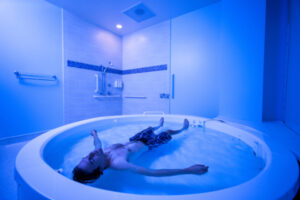
    Floatation-REST (Reduced Environmental Stimulation Therapy) is a non-pharmacological intervention that involves the systematic attenuation of certain kinds of exteroceptive signals to the nervous system, such as reducing visual and auditory input. It’s an intervention that’s delivered using sophisticated engineered environments involving a shallow pool of water that’s been hyper saturated with Epsom salts. When you lay down, your body floats effortlessly on the surface of the water and you don’t have to hold your breath or move your muscles to stay afloat. It’s also a thermally regulated environment where the air temperature and the water temperature are elevated and calibrated to reach the temperature of the surface of your skin. They’re also been colloquially called ‘float tanks’ (the older term is sensory deprivation). However, the intervention does not involve sensory deprivation but rather a form of sensory enhancement.

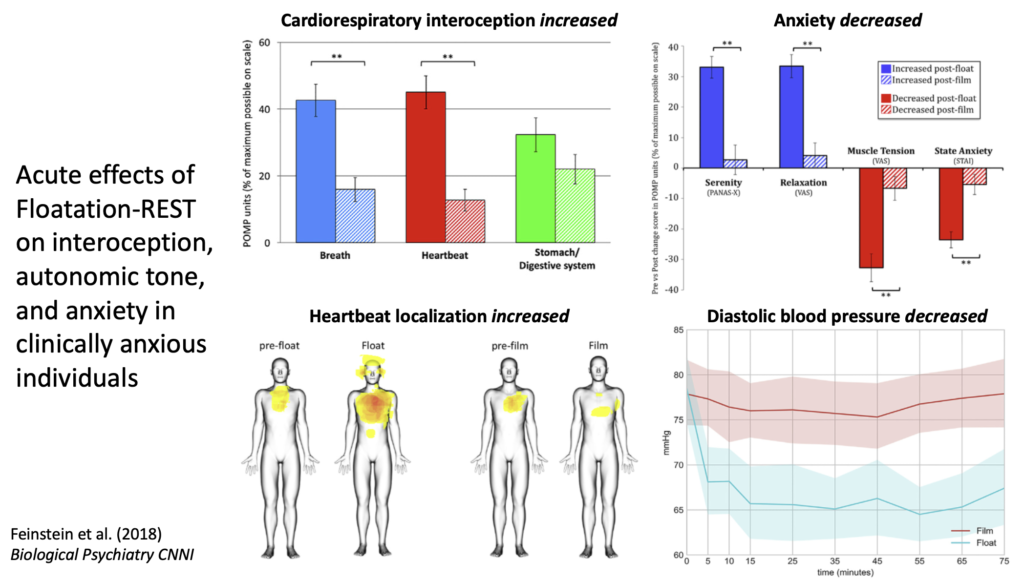
    In our research studies with clinically anxious individuals, we’ve found that the float environment is incredibly stimulating. Both in terms of the intellectual and cognitive experiences that people have when they’re floating and in terms of the enhancement of interoceptive sensation. People routinely experience their heartbeats and their breathing sensations more intensely when they’re in the float environment relative to comparison conditions such as laying in a comfortable chair in a quiet and dimly lit room or watching soothing nature videos. But rather than feeling more anxious and panicked when feeling their heartbeat more intensely, they walk away from the experience feeling more relaxed.


    science of mindfulness interview with Sahib Khalsa
    Flotation Rest data Figure- Feinstein et al. 2018

    Enjoy? Share with your friends

    Related Posts

  • Interview with Dr. Christopher Germer

    Interview with Dr. Christopher Germer

    Interview with
    Dr. Christopher Germer

    Christopher Germer, PhD

    Christopher Germer, PhD, is a clinical psychologist and lecturer on psychiatry (part-time) at Harvard Medical School. He co-developed the Mindful Self-Compassion program with Dr. Kristin Neff
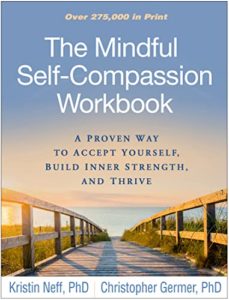
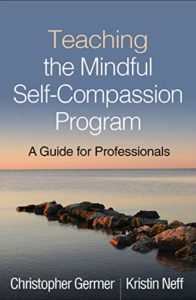
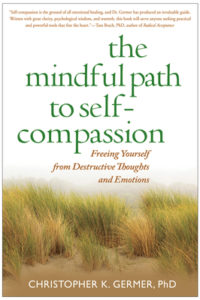
    in 2010 and they wrote two books,The Mindful Self-Compassion Workbook and Teaching the Mindful Self-Compassion Program. MSC has been taught to over 200,000 people worldwide. Dr. Germer is also the author of The Mindful Path to Self-Compassion; he co-edited two influential volumes on therapy, Mindfulness and Psychotherapy, and Wisdom and Compassion in Psychotherapy and he maintains a small psychotherapy practice in Massachusetts, USA.

    Parts of the interview have been edited for clarity and length. 

    How did you first become interested in contemplative science?

    I first became interested in contemplative practice by learning Transcendental Meditation (TM) back in 1976. I had a peak, mystical experience with TM and then I went to India for a year because I didn’t have anybody to talk with about this experience. I traveled the length and breadth of India to meet with saints, sages, yogis, shamans, and other indigenous healers. Between my experiences in India and in meditation, I became convinced that Western psychology was in its infancy compared to the profound philosophical and psychological insights that yogis and meditators were having.

    So, after that, in 1978, I went to graduate school for training in clinical psychology. I’ve spent my entire career committed to integrating Eastern contemplative practice with Western scientific psychology. That’s really what I’ve been up to most of my life.

    How has your personal engagement with self-compassion benefited you?

    Hugely. After I received a PhD in 1984, I moved to Cambridge, Massachusetts where I met colleagues at the Cambridge Hospital who were also on the faculty at Harvard Medical School and were mindfulness meditators. That’s also when I became immersed in mindfulness and began exploring points of intersection between meditation and psychotherapy. In 2005, we wrote a book together, Mindfulness and Psychotherapy, which was the first textbook that made the case for mindfulness in therapy.

    From then onward, I was invited to do more public speaking. Unfortunately, throughout my life, I’d always been afraid of public speaking. That was in spite of being considered an “expert” in anxiety disorders as a clinical psychologist. I knew all the tricks of the trade, but nothing seemed to work for me – exposure, systematic desensitization, beta blockers, mindfulness practices—you name it. This problem came to a head in 2006 as I anticipated speaking at a conference on meditation and psychotherapy that some colleagues and I had organized at Harvard Medical School.

    In desperation, I went on a silent meditation retreat 4 months before the conference and, following the advice of the teacher, I started practicing loving-kindness meditation, especially for myself. Although I had practiced mindfulness for decades before that, I avoided loving-kindness meditation because I preferred pure awareness practice. Now I started saying to myself “May I be safe,” “May I be peaceful…” and immediately noticed that I felt better and also became more mindful. Four months later, at the conference, the usual panic rose up when I got up to speak, but a new voice also rose up, saying, “May you be safe,” “May you be peaceful…,” and my fear vanished. The fear really hasn’t returned.

    That was a huge relief, but the greatest reward was learning about self-compassion. I started looking at psychotherapy through the lens of self-compassion, and eventually met Kristin Neff and we developed the Mindful Self-Compassion course together. After that, there was no turning back.


    science of mindfulness interview with Christopher Germer
    A practical introduction to self-compassion for a general audience

    Do you feel that clinicians and scientists studying self-compassion should deliberately practice self-compassion and mindfulness?

    Definitely. Self-compassion and mindfulness are embodied practices. We can’t actually understand mindfulness or self-compassion with a conceptual mind; we need to have direct experience. So, in order to bring mindfulness or self-compassion to our work, we also need to practice.

     What are the similarities or differences between mindfulness and self-compassion?

    On an absolute level, when mindfulness and self-compassion are in full bloom, they are nearly identical in a moment of suffering. The heart and the mind are open and aware. However, we don’t spend most of our lives either fully mindful or fully self-compassionate. Since we live most of our lives somewhat mindfully or compassionately, it helps to know how to bring these qualities into balance with one another.

    There is a key difference between mindfulness and self-compassion: Mindfulness is basically loving awareness of moment-to-moment experience, whereas self-compassion is loving awareness of the experiencer—the sense of self, or a sentient being. Compassion is always directed toward a sentient being. Sometimes that sentient being is oneself, which is self-compassion.

    There are some other interesting differences between mindfulness and self-compassion. Mindfulness asks the question, ‘What am I experiencing?’ whereas self-compassion asks the question, ‘What do I need?’ Also, mindfulness dismantles the “self” into moments of experience, whereas self-compassion melts the self with warmth and kindness. In both cases, mindfulness and self-compassion help make the “self” more flexible. Mindfulness and self-compassion also regulate emotion in different ways: mindfulness works by regulating attention—what we’re paying attention to and how we pay attention to it; self-compassion regulates emotions through care and connection.

    Mindfulness and self-compassion are really complementary. Perhaps a simple way to describe the complementarity is to consider mindfulness as “space” and compassion as “warmth.” Space creates warmth and warmth creates space. Together, mindfulness and self-compassion are a powerful combination for regulating difficult emotions, especially the kind we find in psychotherapy.

    “Mindfulness asks the question, ‘What am I experiencing?’ whereas self-compassion asks the question, ‘What do I need?’”

    You developed the Mindful Self-Compassion (MSC) program, along with Dr. Kristin Neff. What brought about its development and what need does it address?

    Back in 2008, Kristin and I attended a silent meditation retreat for scientists, hosted by the Mind & Life Institute. I drove her back to the airport and on the way I said to her, “All the research on self-compassion is great but it’s mostly correlational. You should create a training program for self-compassion to study if self-compassion can be learned and actually help people.” Kristin replied that she’s a researcher and doesn’t do that sort of thing, and that I’m a clinician and work with people all the time. So, in that moment, between us, the idea of MSC was born. The first course took place at the Esalen Institute in 2010 and, since then, over 200,000 people around the world have taken MSC. The research is burgeoning, and shows that self-compassion can be helpful in so many ways—for emotional wellbeing, reducing distress, improving relationships, and enhancing physical health. Self-compassion training is going mainstream, close at the heels of mindfulness, and is currently being adapted for education, medicine, psychology, business, athletics, parenting and other areas of life.

    “The first course took place at the Esalen Institute in 2010 and, since then, over 200,000 people around the world have taken MSC.’”

    Although Kristen and I initially developed this program, MSC is now a project of the international community of teachers. The curriculum is being constantly updated and improved by suggestions from MSC teachers around the world. It’s wonderful to be part of a global community that’s interested spreading compassion, starting with one’s own, inner work.

    MSC can be described as “mindfulness-based self-compassion training.” We’re primarily teaching self-compassion with a less explicit mindfulness component. Mindfulness-based Stress Reduction (MBSR) does the opposite; it’s primarily mindfulness training with a less explicit self-compassion component. MSC and MBSR are complementary, and together they provide nicely balanced training in mindfulness and self-compassion.


    A Complete Meditation Guide Integrating Buddhist Wisdom and Brain Science for Greater Mindfulness

    How is self-compassion a transdiagnostic mechanism of change?

    The term “transdiagnostic mechanism of change” means that learning to be more self-compassionate can benefit people in therapy who carry a wide variety of different psychological diagnosis, such as anxiety, depression, substance abuse, personality disorders, and so forth. Generally speaking, research shows that as symptoms decrease during therapy, self-compassion tends to increase. In other words, when a person who is depressed is able to be kind to themselves when things go wrong; is able to recognize they’re not entirely alone when they feel bad; and is open and aware of how they’re feeling in the moment—that person is self-compassionate and probably doesn’t need therapy as much anymore.

    Self-compassion as a construct is often separated into two distinct categories of self-warmth and self-coldness. Do MSC or other compassion-based trainings target one versus the other?

    Kristin Neff’s scale, the Self-Compassion Scale (SCS), is the most common scale for measuring self-compassion. It is built on a systemic model such that whenever the so-called ‘warmth’ qualities—kindness, common humanity and mindfulness—increase, the so-called ‘coldness’ qualities—self-criticism, isolation and overidentification—decrease. That is built in and assumed in the scale, but some clinicians try to separate the two sets of qualities. That’s understandable since the therapeutic agenda is to decrease symptoms rather than cultivate positive qualities, but trying to separate the two sets of qualities is not how the scale was designed and is not a valid use of the scale.

    “…when mindfulness and self-compassion are in full bloom, they are nearly identical in a moment of suffering.”

    Your work addresses shame, which is an important aspect of mental health and therapy. What is the relationship between self-compassion and shame?

    In many respects, self-compassion is the opposite of shame. If you look at Kristin’s definition of self-compassion, the negative qualities are key aspects of shame—loneliness, self-criticism, and self-absorption. So, theoretically, we can say self-compassion is the opposite of shame, and when we are behaving compassionately toward ourselves, we are automatically reducing shame.

    Shame is essentially an attack on our sense of “self.” When we’re being criticized or blamed, our self-worth takes a hit. Self-worth or self-esteem is usually determined by external approval and validation, but self-compassion provides an alternate source of self-worth, namely, inner kindness. Therefore, the self-worth that comes from self-compassion is more stable. We carry it wherever we go. And it dismantles shame.

    How can therapists and other providers benefit from integrating self-compassion into their practices?

    Let’s face it—caregiving can be difficult. As empathic human beings, we feel the pain of others as our own and, over time, it can be too much to bear. That’s compassion fatigue. Compassion fatigue can be as mild as mind wandering during a session, but it can also lead to physical and mental exhaustion and illness. Luckily, research shows that self-compassion is an antidote to compassion fatigue and burnout. The idea is that when we have no more compassion to give to others, we need to do a U-turn and give compassion to ourselves.

    Self-compassion calms and soothes the nervous system and puts us in a caring frame of mind, which can then be extended to others. Self-compassion can also be practiced during therapy itself—we don’t have to go home to replenish ourselves. One elegant way of doing this during therapy is to track our breath going in and out of the body, and make the in-breath for ourselves and the out-breath for our clients.

    Self-compassion is also a powerful resource for clients. There are three main levels that self-compassion can be integrated into therapy: (1) compassionate presence of the therapist, (2) compassionate, therapeutic relationship, and (3) compassionate interventions, or home practices. Therapists tend to focus on home practices that they can teach their clients, but home practices should ideally emerge from a compassionate dialogue with a compassionate therapist. When that happens, the client is more likely to practice and also discuss obstacles that may arise during practice.

    As the evidence base for self-compassion continues to expand, how do you envision compassion-based training shaping psychotherapy?

    It’s now over 20 years since Paul Gilbert in the UK first conceived of compassion-based therapy. Compassion is currently embedded in the “third wave” paradigm of empirically-based therapy, namely “mindfulness-, acceptance-, and compassion-based therapy.” Whereas mindfulness focuses mostly on attention, and acceptance focuses primarily on non-avoidance, compassion-based therapy focuses on goodwill, warmth, caring and connection to oneself and others.

    But compassion and self-compassion are not new. Compassion has always been implied in the term “empathy” in psychotherapy, and an empathic therapeutic alliance accounts for the largest portion of positive psychotherapy outcomes. Self-compassion has also been present in psychotherapy under the umbrella of “self-acceptance.” With the advent of mindfulness, however, the focus of “acceptance” shifted to moment-to-moment experience and away from the “self.” Now, acceptance of the “self” is back in vogue and clinicians are integrating both types of acceptance into therapy.

    Compassion research is confirming the importance of heart qualities such as loving-kindness and compassion in effective therapy. Freud recommended “evenly hovering attention” as the ideal attitude of the therapist, but he offered no particular way of cultivating it. Now therapists can practice meditation to increase their mindfulness and compassion in the therapy room. We also have a plethora of compassion-based interventions that clients can apply between sessions to cultivate the resources of compassion and self-compassion. Compassion is also being integrated into more traditional therapy techniques. For example, rather than simply exposing oneself to a feared stimulus, clients can learn self-compassion as a tool to tolerate and transform their fear, alongside exposure. Overall, due to burgeoning research, the future is bright for compassion and self-compassion in therapy.


    science of mindfulness interview with Christopher Germer
    This wise and eloquent book illuminates the power of self-compassion and offers creative, scientifically grounded strategies for putting it into action.

    Enjoy? Share with your friends

    Related Posts


  • Interview with Dr. Steven Hickman

    Interview with Dr. Steven Hickman

    Interview with
    Dr. Steven Hickman

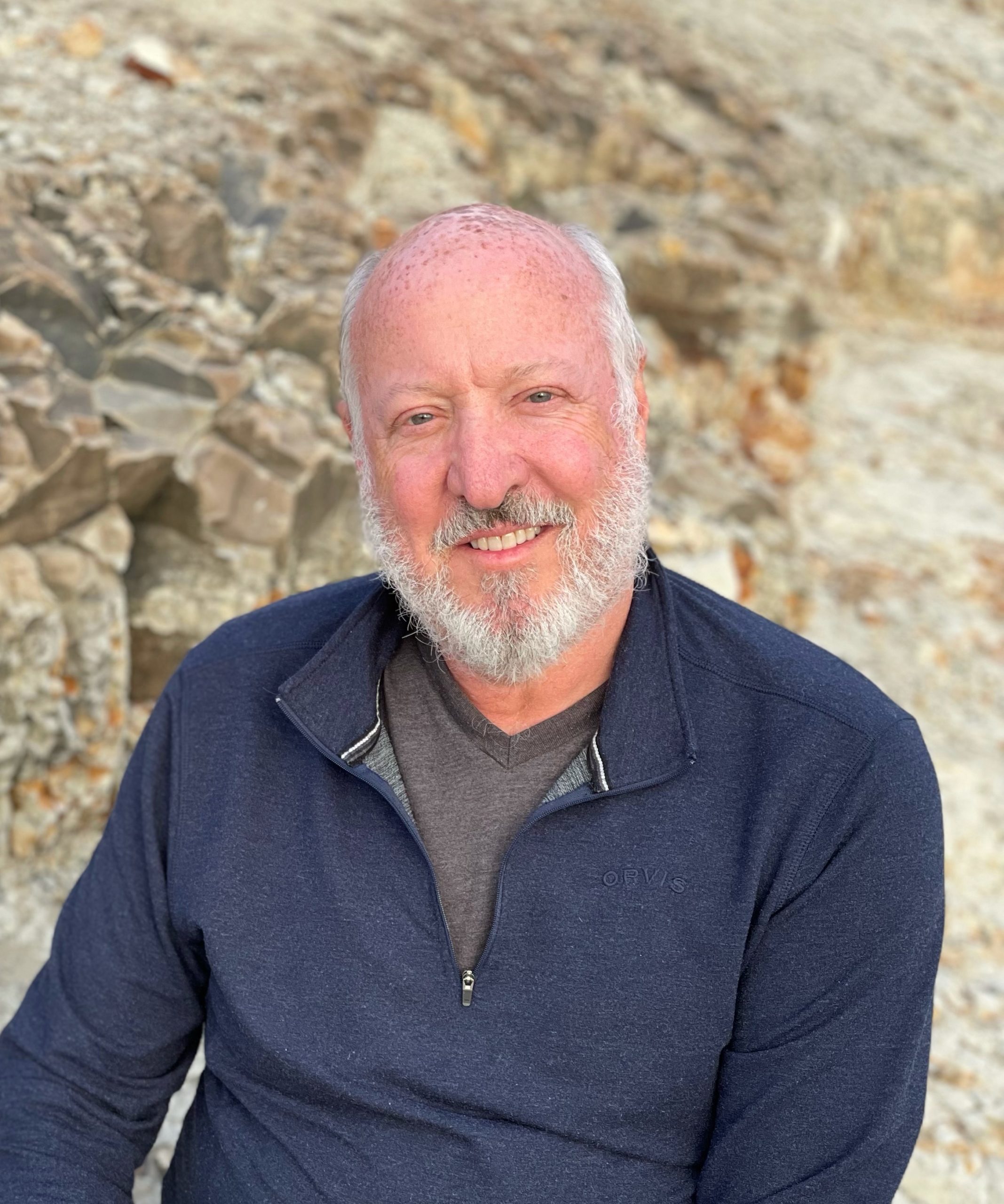
    Steven Hickman, PsyD

    Dr. Steven Hickman is the Executive Director of the non-profit Center for Mindful Self-Compassion. He is a Clinical Psychologist and Retired Associate Clinical Professor in the University of California at San Diego School of Medicine, as well as the Founding Director of the UC San Diego Center for Mindfulness. Steve co-developed the Mindful Self-Compassion Teacher Training program and has participated in the training of over 1800 MSC teachers around the world. Steve has co-taught the 8-week and intensive MSC program many times around the globe and is also a Certified teacher of Mindfulness-Based Stress Reduction (MBSR) and trains teachers of that program. He is married and has three young adult children, affording him ample opportunity to practice what he teaches!

    Parts of the interview have been edited for clarity and length. 

    How would you define self-compassion? Why is it important to practice it?

    I think the simplest way to describe self-compassion is the capacity to treat yourself the same way you would treat a dear friend when they struggle, suffer, fail, or fall short.  We’re often quite good at being kind to other people’s suffering. When your friend fails a test or has a hard time with a work situation, we tend to be warm, kind, and supportive, and provide whatever is needed. But when we have the same experiences, somehow our inner dialogue towards ourselves tends to be just the opposite and we tend to beat ourselves up. We feel that something is uniquely wrong, or we demand perfection of ourselves.

    In other words, self-compassion is cultivating and expressing the care and kindness that we normally have for others but directing it towards ourselves. This sounds logical but it’s actually quite challenging to do for most of us. There’s a growing body of research that suggests self-compassion is associated with resilience. Resilience and a number of other positive qualities seem to be related to this quality of self-compassion.

    Do you think that there’s a greater need for self-compassion during this pandemic?

    I think that the need for self-compassion hasn’t changed but the awareness of where it could be helpful has become a little more obvious. We feel more alone. We may perhaps find ourselves noticing how hard we are on ourselves, how demanding we are, and maybe a little more distracted by our inner dialogue. More and more folks are discovering this to be true for themselves because of the isolation. They’re starting to notice the tone and tenor of their inner critic. There is a whole range of explanations for why this is, but the more we become aware of our inner critic, the better understanding we will have of the ways our inner dialogue can cause suffering in our lives and limits us. The pandemic certainly magnified that.

    The other piece of this is the interaction and synergy between mindfulness and self-compassion. The qualities of mindfulness and self-compassion are really interrelated. The capacity to be present to our own experience and the willingness to be kind to ourselves in difficult moments requires us to be truly present with our difficult experiences. In other words, mindfulness and self-compassion actually equip us take on the difficulties that we face, whether it’s difficult emotions, relationships, thoughts, moods, and all sorts of things.

    The synergistic effects between mindfulness and self-compassion allows us to confront and manage our difficulties more effectively. Our natural tendency is to push away difficulties or try to avoid pain, which is not necessarily a bad thing, but often becomes the very thing that causes us to wall ourselves off from our experiences. Our ability to navigate difficult experiences is compromised when we’re not accustomed to fully encountering them. Our habitual reaction patterns tend to be to avoid them or try to control them. Mindfulness and self-compassion practices can empower us to be present to our full experience, make better choices, take better care of ourselves, and move in more valued directions. We can become skilled at tolerating our own inner experience- good, bad, or indifferent.

    “Self-compassion actually allows us to sustain our compassion for others because we’re being compassionate to ourselves as well.” 

    What is the Center for Mindful Self-Compassion and what is its mission?

    Its best to begin with the founders of the Center for Mindful Self-Compassion (CMSC), Drs. Chris Germer and Kristin Neff. Dr. Chris Germer is an expert clinician who has seen the value and of mindfulness and self-compassion for many years. Dr. Kristin Neff is a world-renowned researcher and pioneer of self-compassion. She’s a social psychologist at the University of Texas at Austin and has studied self-compassion her whole career. Through her single-handed hard work and line of research, she has made self-compassion a prominent area of study in psychology.

    The two of them came together and created a program called Mindful Self-Compassion. They basically looked at each other and said, “Wow we’ve really seen the value of self-compassion, we should not just study what self-compassion is, but actually teach people to be more self-compassionate.” And the Mindful Self-Compassion (MSC) course was born.

    Dr. Neff and Dr. Germer taught the program in various forms and gained popularity so fast that they realized they needed to have a way to get this program out into the world and train other people to teach self-compassion. They then formed the nonprofit Center for Mindful Self-Compassion ten years ago. The mission of this nonprofit was to disseminate the practice of self-compassion to create a more self-compassionate world, partially through disseminating the Mindful Self-Compassion program which meant training people to teach it, and to educate people about self-compassion. Somewhere along the way, they brought me into the mix to help them run this nonprofit center.

    There are close to 3000 teachers of the Mindful Self-Compassion program around the globe and it’s being taught in roughly 40 different languages. We have a staff of around 20 people, and because we’re a virtual center we don’t have a physical centralized location. We have grown substantially over time, all while maintaining service to this vision of a more self-compassionate world.

    Can self-compassion be learned independently, or do you need formal training?

    It’s an interesting thing because it’s a capacity, much like mindfulness, that we all have to a degree. It’s not like teaching someone how to paint with watercolors, where there is no natural capacity. Self-compassion is a quality we have as humans because we all inherently want to be happy and free from suffering. We also have the capacity to be aware and to be present, and also to tend to ourselves when we struggle and have difficulty, just like when we tend to others. When others are having difficulty, compassion is hardwired into us. It’s really about developing a capacity we already have and it can be done in a variety of ways.

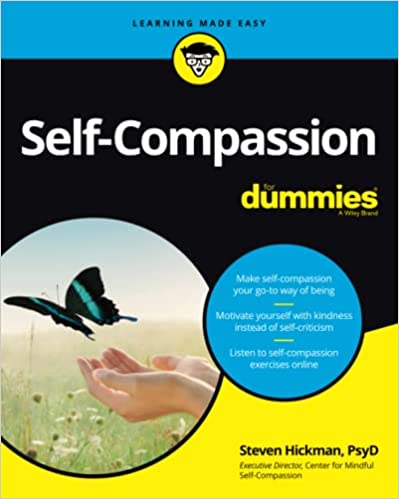
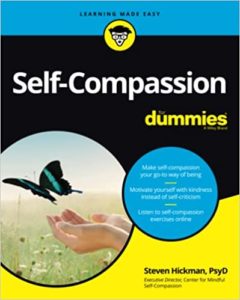
    We already know from experience that just reading about self-compassion can actually help some people become more self-compassionate. In the first randomized-controlled trial of the Mindful Self-Compassion program that Drs. Germer and Neff taught, results indicated that people in the self-compassion group showed greater increases in self-compassion, quality of life, resilience, and overall compared with the control group. Interestingly, although the results between the two groups clearly showed that the self-compassion course was effective, they noticed that even people in the control group who never participated in the course somehow showed significant improvements in their levels of self-compassion. When they looked further into this, they discovered that people knew that the study was about self-compassion, and when they were assigned to be in the control group which was a waitlist-control they started reading up on self-compassion. So quite a number of participants did a bit of study on their own about self-compassion and apparently became more self-compassionate as a result. We like to joke that just reading the books is clinically proven to improve self-compassion! People can read the wonderful books written by Dr. Neff, such as The Mindful Self-Compassion Workbook. It’s very much a self-help, self-guided course on self-compassion. My own book Self-Compassion for Dummies is also self-guided and designed to help people develop self-compassion.

    Conversely, there are a lot of us that really need the structure and format of a course, something that has sort of regular expectations. A little social support, guidance, and personalized attention allows people to really tap into their capacity to be more self-compassionate. This is where a course like Mindful Self-Compassion could be really beneficial for people and up to this point, the research backs it up.

    “We often say we give ourselves compassion not to feel better, but because we feel bad.”

    As the founding director of UC San Diego Center for Mindfulness, how do you see academic medicine embracing self-compassion?

    As I was establishing the center, I saw how mindfulness was starting to become accepted by academic medicine, which in the early years it was kind of viewed as a weird thing. Once colleagues learned I was running the Center for Mindfulness, they would come up to me after faculty meetings and say things like, “You’re that guy that does mindfulness, right? Well, don’t tell anyone but I meditate too.” It was like this dirty little secret that people were practicing mindfulness and they didn’t want their colleagues to know they were doing anything too far out.

    We have since come a long way. When I left UC San Diego, mindfulness was integrated into the medical school curriculum for all of the medical students coming through. There was quite an embrace of mindfulness and compassion across the university- as well as many other universities. There are a lot of great programs out there with physicians that incorporate mindfulness into the training. They’ve been supportive of the wonderful work being done.

    Self-compassion is newer in the healthcare realm, but I was recently reading about burnout in the health care profession and learned that approximately one in three physicians are experiencing burnout at any given time. This was a study published in 2020, I imagine given the pandemic that the number is probably higher now as a result. Mindfulness can help to some degree in terms of reducing burnout, but I think self-compassion, the capacity to meet ourselves when we’re struggling and having difficulty, and recognizing that we’re having a hard time, is quite powerful. It allows us to transcend those kinds of difficulties and ultimately develop that resilience and the ability to bounce back from difficult circumstances

    Over time self-compassion will become more woven into medical training and good medical care, largely because I think people in the medical profession are generally in their field because they’re compassionate people. The individuals who go into healthcare appreciate the value of compassion. What they may not realize is that they need to include themselves in the circle of compassion. Sometimes you hear these statements that you can’t be compassionate to other people unless you’re compassionate to yourself. That sort of sounds good on the surface at first, but if you if you poke at it a little bit, you realize it’s essentially not always true. There are a lot of people who are amazing at being compassionate to other people but treat themselves terribly. In other words, we can be kind to other people while simultaneously beating ourselves up for a while.

    The difference is that self-compassion allows you to continue to care for other people because you’ve included yourself in that circle. Self-compassion actually allows us to sustain our compassion for others because we’re being compassionate to ourselves as well. We’re putting gas in our own tank so that we can help put the gas in other people’s tank.

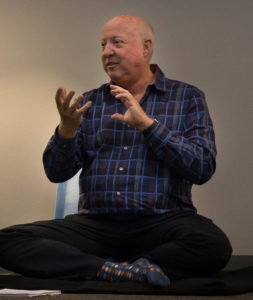
    Dr. Hickman leading a Mindful Self-Compassion course

    Do you think self-compassion could ever be a frontline treatment for mental health conditions?

    I don’t tend to think of either mindfulness or self-compassion as a treatment, per se. It’s sort of like physical fitness; you can’t treat something with physical fitness. The more self-compassionate, mindful, and resilient we become, the more we’re able to ameliorate difficulties that become depression, anxiety, PTSD, and related disorders.

    It’s an active ingredient more than it is a treatment. You can’t practice self-compassion to get depressed. You can practice self-compassion to ultimately help you move through depression and come out of it, but it’s not intended to be a treatment. It’s more like a prevention or a wellbeing approach that strengthens your capacity to navigate challenges as opposed to fixing a problem. When you start to practice mindfulness or self-compassion to get an outcome, you’re stuck right from the beginning. It’s about cultivating a different relationship with difficult experiences rather than changing them.

    We often say we give ourselves compassion not to feel better, but because we feel bad. If your kid has the flu, you might bring them a cold cloth, give them a hug, or say sweet things to them to comfort them in some way, but not because you’re actually treating the flu. You’re not an antiviral treatment. You are doing this because the child is suffering. Compassion and mindfulness are really the same in that they allow us to navigate that territory with greater ease, effectiveness, and resilience in the midst suffering.

    What is your ultimate vision for the field of self-compassion?

    I have to go back to this physical fitness analogy. If you talk to a random person on the street, they will know that there is a connection between being physically fit and good health or longevity. Everybody understands that at some level, yet we don’t have that level of understanding yet for mindfulness and compassion, but we’re getting there. My vision is that self-compassion becomes second nature, that it’s embedded in the way we raise our kids, the way we build our society, the things we ask of people in their professions- everything! So, it’s a lofty goal and is probably not going to happen in the next year or two, but we’ll be working on it.


    Buy it on Amazon

    New Book

    by Dr. Steven Hickman

    Being kind to yourself might sound simple, but self-compassion can change your life dramatically (and most of us are WAY kinder to others than to ourselves)  Self-Compassion For Dummies will help you discover self-critical thoughts and self-defeating behaviors that are holding you back from fulfilling your potential and explore how you can learn to work around these things to find your way to more joy and satisfaction. We often think being hard on ourselves will help motivate us to be better people, but Dr. Steven Hickman’s review of the research finds that just the opposite is true. When you learn to love and appreciate yourself completely (as an imperfect human with messy feelings and uncomfortable thoughts), you free yourself up to achieve great things. This book will show you how!

    Enjoy? Share with your friends

    Share on facebook
    Share on twitter
    Share on linkedin
    Share on reddit

    Related Posts


  • Interview with Dr. Erin Bantum

    Interview with Dr. Erin Bantum

    Interview with
    Dr. Erin Bantum

    Erin Bantum, PhD

    Dr. Erin Bantum is a clinical psychologist working as an Associate Professor at the University of Hawai’i Cancer Center. She designs and tests online interventions to promote well-being for folks who have been diagnosed with cancer. Some of these interventions have been in health promotion, such as physical activity, and other interventions have been more psychosocial in nature, such as emotional expression and mindfulness meditation. Erin is originally from Reno, Nevada, where she likes to go home and visit as much as she can.

    Parts of the interview have been edited for clarity and length. 

    How did you get into mindfulness personally and professionally?


    Dr. Thanh Huynh, a retired radiation oncologist and the creator of Freemindfulnesscourse.org, first introduced me to the practice of mindfulness meditation. He had conducted a small study with Dr. Carolyn Gotay, a former faculty and Program Director here at the University of Hawaii Cancer Center. We started talking about doing another study, also with groups of cancer survivors, and I began practicing mindfulness. Much of my work was in emotional expression with cancer survivors, and it was as if mindfulness meditation became this intervention that was beneficial to me in many ways. I realized how specialized I became in graduate school, and while that has its benefits, I loved how the benefits of mindfulness meditation could be very broad, and the way it helped regulate, integrate, and tune me into more depth of being was extremely impactful.


    What is the Mindfulness Coaching App and what inspired its development?


    Mindfulness Coach was developed to help Veterans, Service members, and others learn how to practice mindfulness. The app provides a gradual, self-guided training program designed to help you understand and adopt a simple mindfulness practice. This app was created by a group at the National Center for PTSD in Palo Alto. 


    I was grateful to join the team, which was led by my colleague, Jason Owen. There was an original version of Mindfulness Coach in existence, although the goal was to make it much more  versatile. The app is freely available and was created for people who have PTSD, although the information is delivered in a way that is accessible to all populations. We are currently testing the impact of Mindfulness Coach on anxiety and cancer related neuropathy for people who have been diagnosed with cancer.


    “I do think mobile interventions offer a far reach and so understanding how to increase their impact is a worthwhile challenge..”

    Mindfulness Coach app


    Learn More

    To your knowledge, have other research groups used your mobile app in their research? If so, are there any interesting findings?

    Mindfulness Coach has a previous version that has been tested, although the current version has been up and running in a few different trials more recently. I am not yet aware of outcomes of these trials with the new version of the app, although it is being used outside of the two current studies we are conducting here at the University of Hawaii Cancer Center.

    What promise do you think mobile interventions have for clinical medicine?


    I believe, in their current form, mobile interventions have terrific potential in terms of wide dissemination. They provide access to interventions that might not be offered in all locations and are also really beneficial here in Hawai’i, given our island community is primarily rural. 


    I also think that there are some challenges with mobile interventions. Mobile apps are ever present in our lives and can be easily disregarded. In trying to learn something new, such as mindfulness meditation, I think it is important to engage in ways that will be helpful for our practice, though, so examining whether mobile mindfulness is the best way to engage a given person seems important. It is also important to incorporate a supportive practicing community, like a sangha (a traditional Buddhist community). Finding ways to bring all the pieces together can take some effort, but I believe it is worth it. I do think mobile interventions offer a far reach and so understanding how to increase their impact is a worthwhile challenge.

    “My work, over the past fifteen years has had a core theme of social support running through it…”

    Where do you see your research going? Does your vision include a technological component? 

    I am interested in both face-to-face and online/mobile interventions. My work, over the past fifteen years has had a core theme of social support running through it, and I’d like to create an online mindfulness meditation intervention that includes a group component, such that people who have experienced cancer can meet and practice mindfulness meditation together. I would love to study the biobehavioral impact of these types of interventions within our community. I balance my existing ideas with an open mindedness to how those ideas can shift and develop if they need to, as well. I would also like to begin clinical work that I can bring mindfulness into. 


    Enjoy? Share with your friends

    Related Posts