Interview with
Dr. Erin Bantum
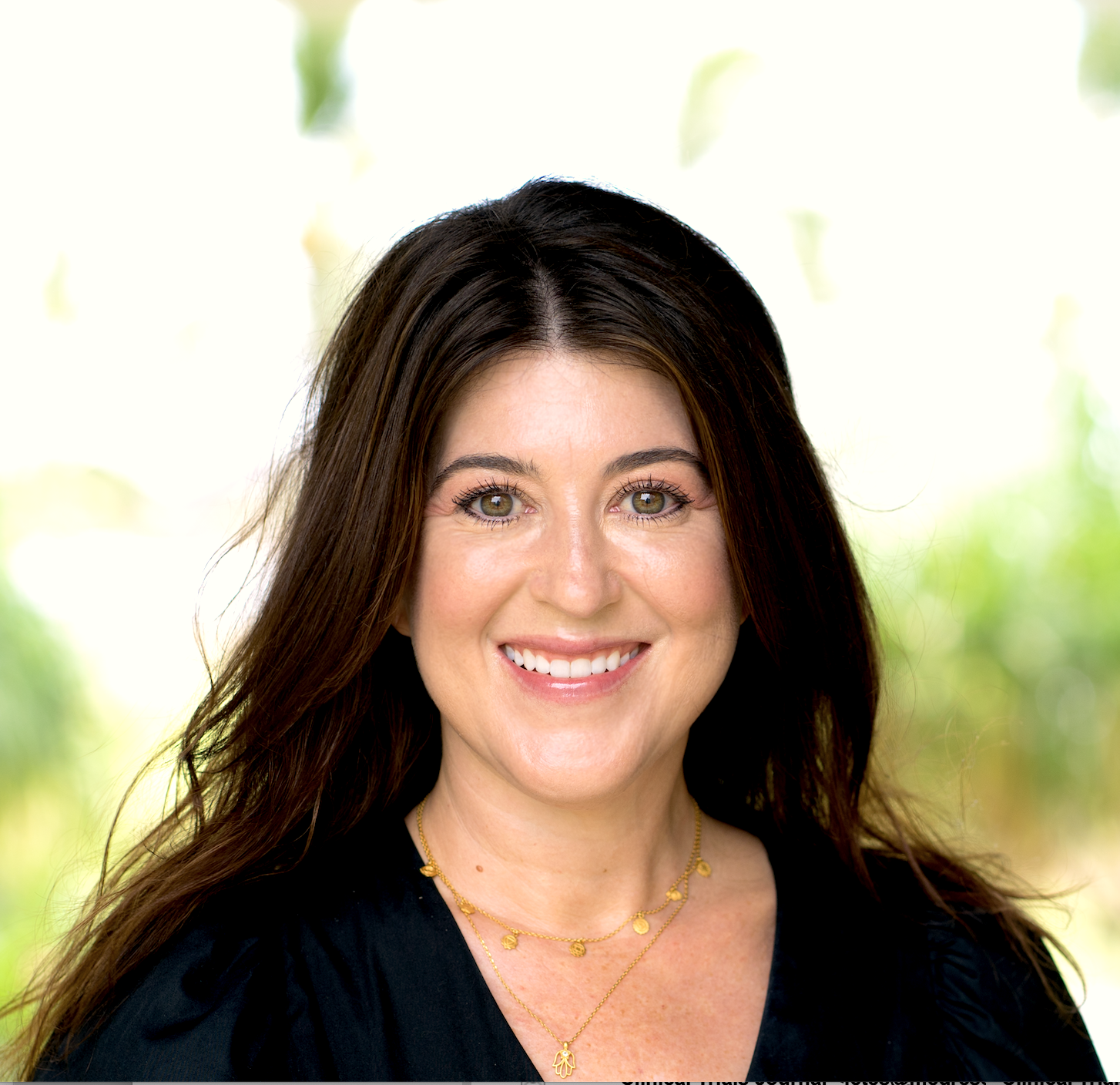
Erin Bantum, PhD
Dr. Erin Bantum is a clinical psychologist working as an Associate Professor at the University of Hawai’i Cancer Center. She designs and tests online interventions to promote well-being for folks who have been diagnosed with cancer. Some of these interventions have been in health promotion, such as physical activity, and other interventions have been more psychosocial in nature, such as emotional expression and mindfulness meditation. Erin is originally from Reno, Nevada, where she likes to go home and visit as much as she can.
Parts of the interview have been edited for clarity and length.
How did you get into mindfulness personally and professionally?
Dr. Thanh Huynh, a retired radiation oncologist and the creator of Freemindfulnesscourse.org, first introduced me to the practice of mindfulness meditation. He had conducted a small study with Dr. Carolyn Gotay, a former faculty and Program Director here at the University of Hawaii Cancer Center. We started talking about doing another study, also with groups of cancer survivors, and I began practicing mindfulness. Much of my work was in emotional expression with cancer survivors, and it was as if mindfulness meditation became this intervention that was beneficial to me in many ways. I realized how specialized I became in graduate school, and while that has its benefits, I loved how the benefits of mindfulness meditation could be very broad, and the way it helped regulate, integrate, and tune me into more depth of being was extremely impactful.
What is the Mindfulness Coaching App and what inspired its development?
Mindfulness Coach was developed to help Veterans, Service members, and others learn how to practice mindfulness. The app provides a gradual, self-guided training program designed to help you understand and adopt a simple mindfulness practice. This app was created by a group at the National Center for PTSD in Palo Alto.
I was grateful to join the team, which was led by my colleague, Jason Owen. There was an original version of Mindfulness Coach in existence, although the goal was to make it much more versatile. The app is freely available and was created for people who have PTSD, although the information is delivered in a way that is accessible to all populations. We are currently testing the impact of Mindfulness Coach on anxiety and cancer related neuropathy for people who have been diagnosed with cancer.
“I do think mobile interventions offer a far reach and so understanding how to increase their impact is a worthwhile challenge..”

Mindfulness Coach app
To your knowledge, have other research groups used your mobile app in their research? If so, are there any interesting findings?
Mindfulness Coach has a previous version that has been tested, although the current version has been up and running in a few different trials more recently. I am not yet aware of outcomes of these trials with the new version of the app, although it is being used outside of the two current studies we are conducting here at the University of Hawaii Cancer Center.
What promise do you think mobile interventions have for clinical medicine?
I believe, in their current form, mobile interventions have terrific potential in terms of wide dissemination. They provide access to interventions that might not be offered in all locations and are also really beneficial here in Hawai’i, given our island community is primarily rural.
I also think that there are some challenges with mobile interventions. Mobile apps are ever present in our lives and can be easily disregarded. In trying to learn something new, such as mindfulness meditation, I think it is important to engage in ways that will be helpful for our practice, though, so examining whether mobile mindfulness is the best way to engage a given person seems important. It is also important to incorporate a supportive practicing community, like a sangha (a traditional Buddhist community). Finding ways to bring all the pieces together can take some effort, but I believe it is worth it. I do think mobile interventions offer a far reach and so understanding how to increase their impact is a worthwhile challenge.
“My work, over the past fifteen years has had a core theme of social support running through it…”
Where do you see your research going? Does your vision include a technological component?
I am interested in both face-to-face and online/mobile interventions. My work, over the past fifteen years has had a core theme of social support running through it, and I’d like to create an online mindfulness meditation intervention that includes a group component, such that people who have experienced cancer can meet and practice mindfulness meditation together. I would love to study the biobehavioral impact of these types of interventions within our community. I balance my existing ideas with an open mindedness to how those ideas can shift and develop if they need to, as well. I would also like to begin clinical work that I can bring mindfulness into.