Author: Michael

  • Interview with Dr. Steven Hickman
    Interview with Dr. Steven Hickman

    Interview with
    Dr. Steven Hickman

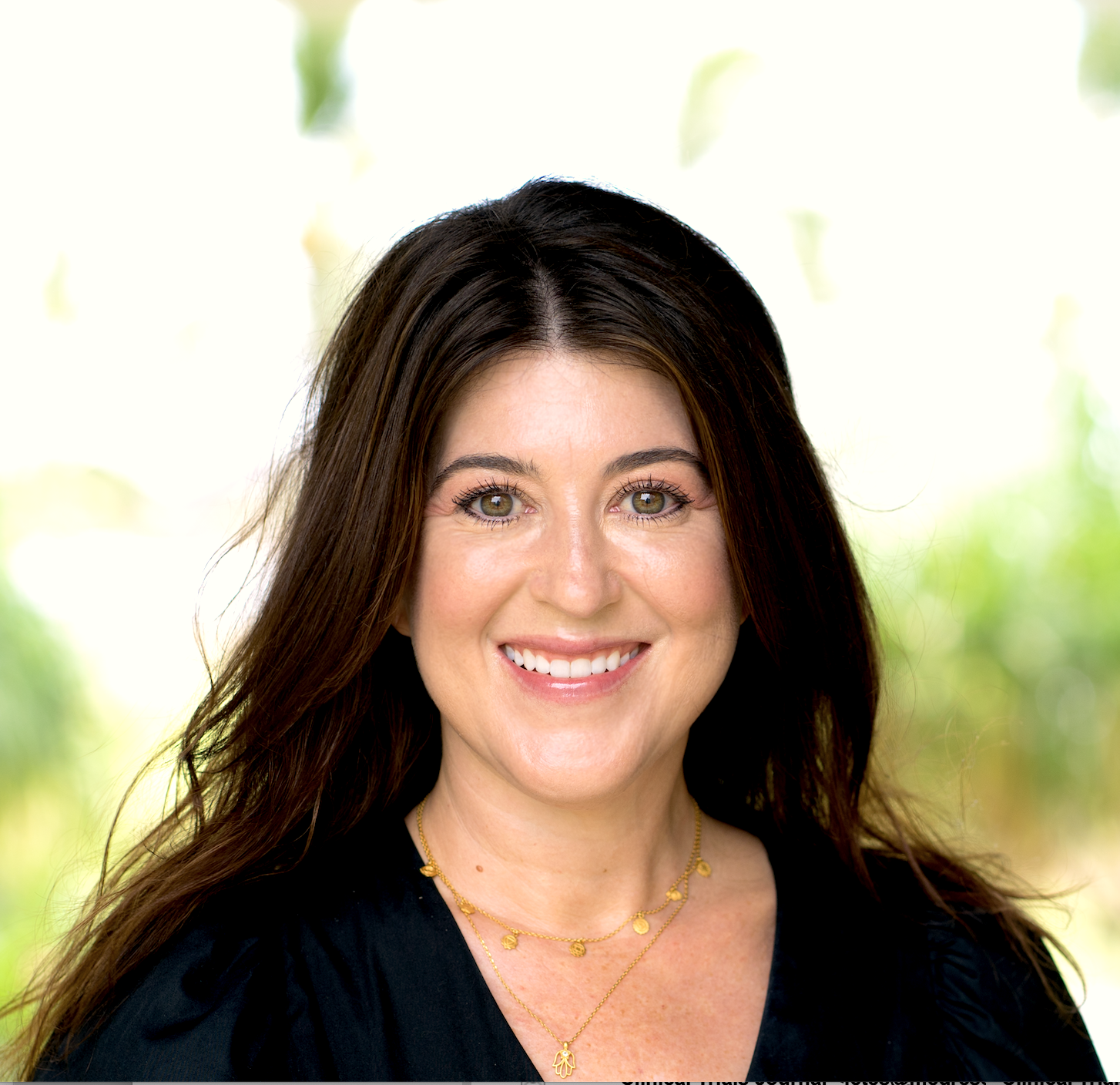
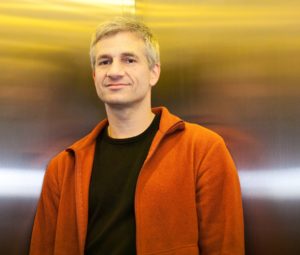
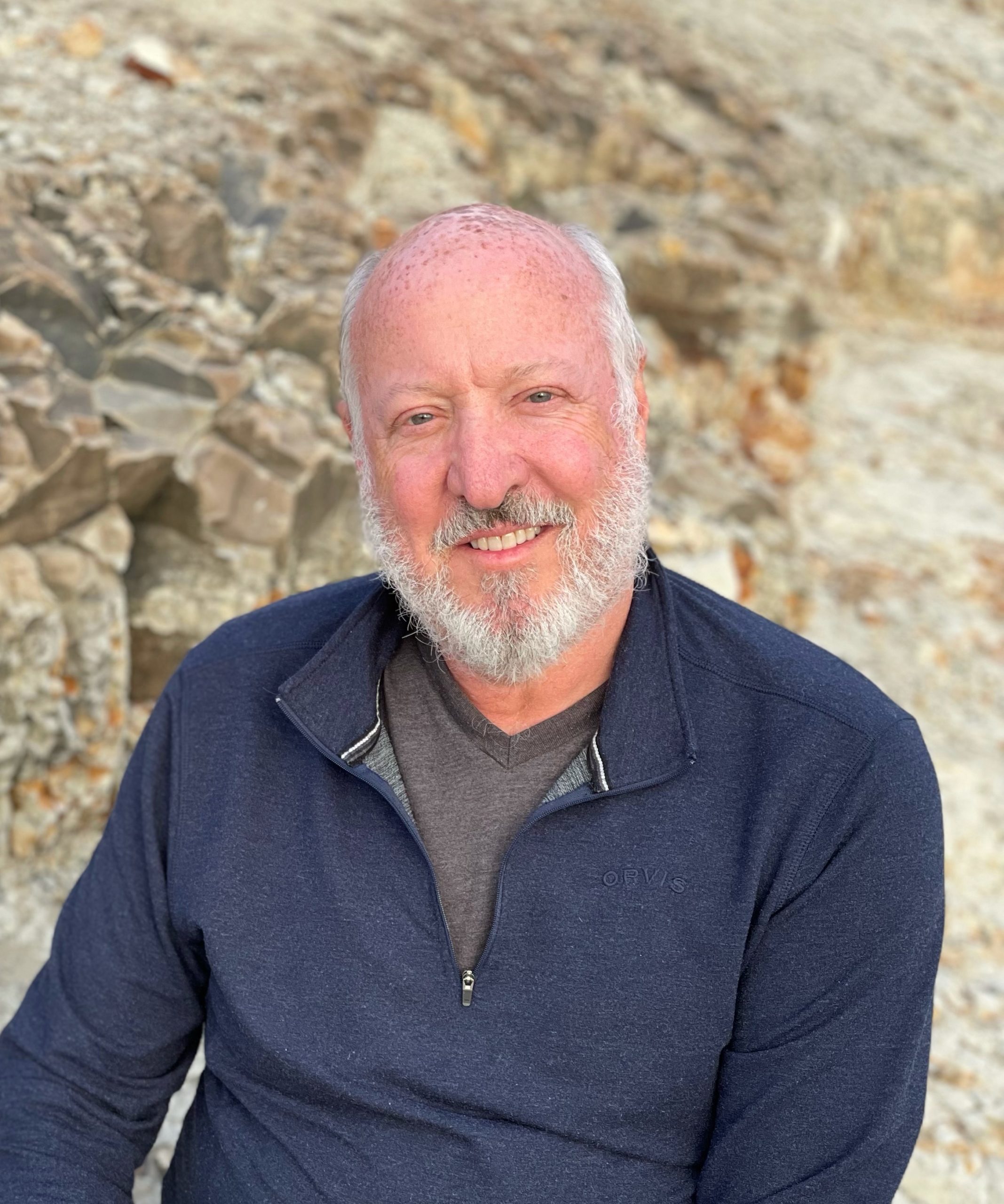
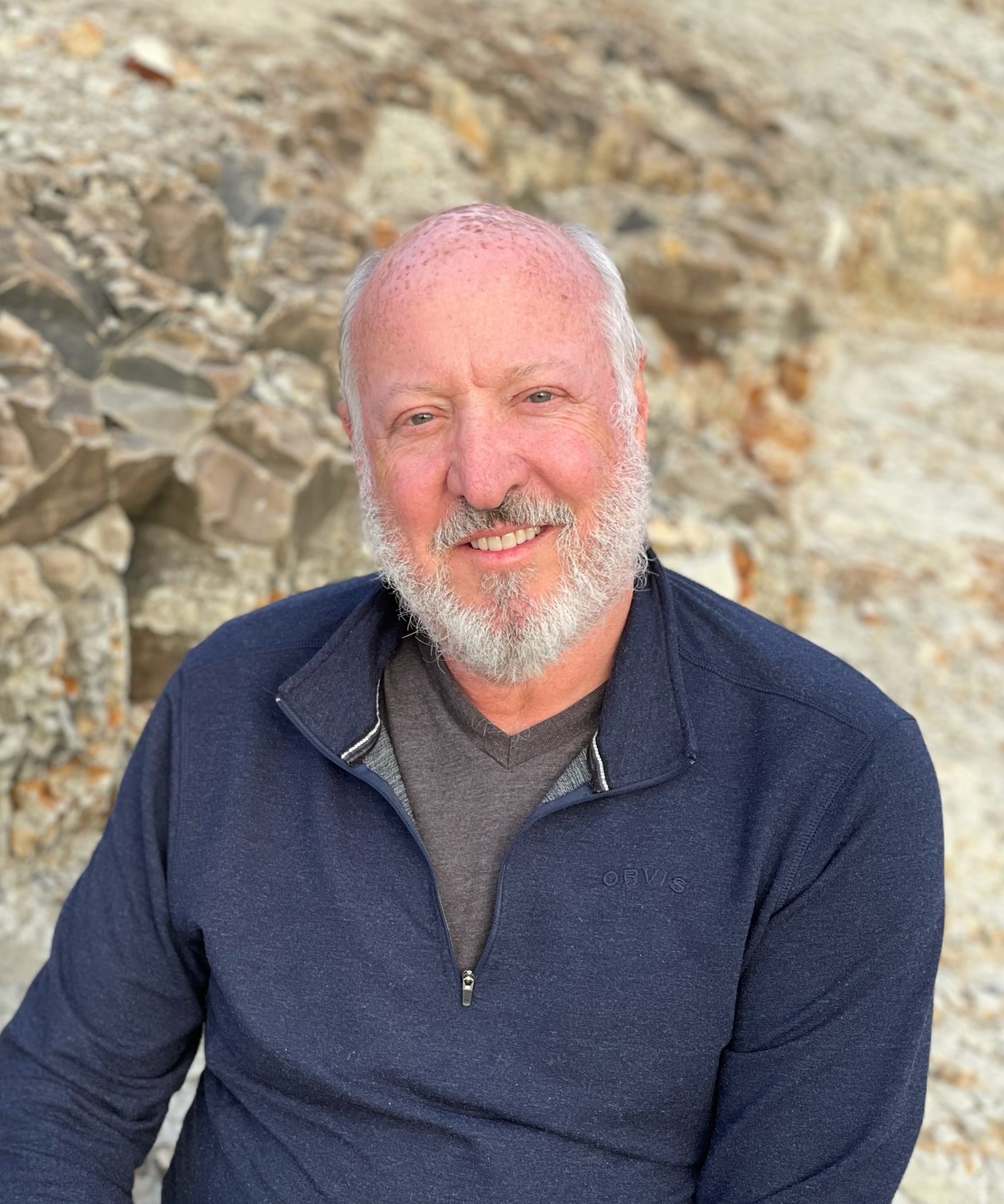
    Steven Hickman, PsyD

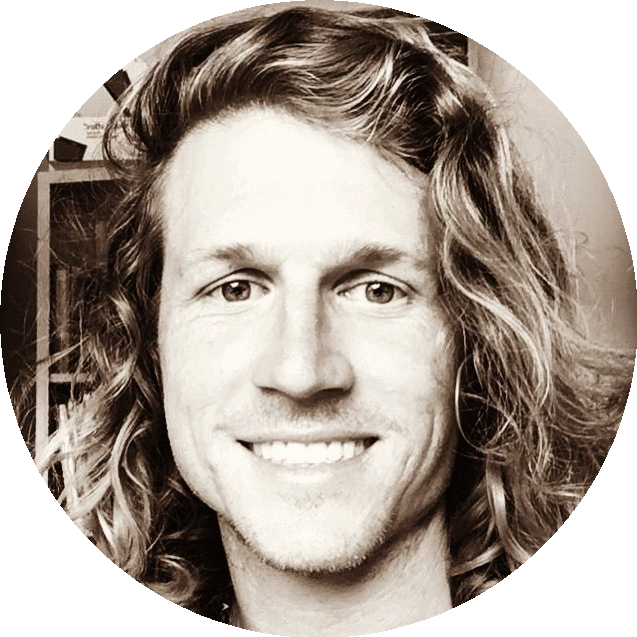
    Dr. Steven Hickman is the Executive Director of the non-profit Center for Mindful Self-Compassion. He is a Clinical Psychologist and Retired Associate Clinical Professor in the University of California at San Diego School of Medicine, as well as the Founding Director of the UC San Diego Center for Mindfulness. Steve co-developed the Mindful Self-Compassion Teacher Training program and has participated in the training of over 1800 MSC teachers around the world. Steve has co-taught the 8-week and intensive MSC program many times around the globe and is also a Certified teacher of Mindfulness-Based Stress Reduction (MBSR) and trains teachers of that program. He is married and has three young adult children, affording him ample opportunity to practice what he teaches!

    Parts of the interview have been edited for clarity and length. 

    How would you define self-compassion? Why is it important to practice it?

    I think the simplest way to describe self-compassion is the capacity to treat yourself the same way you would treat a dear friend when they struggle, suffer, fail, or fall short.  We’re often quite good at being kind to other people’s suffering. When your friend fails a test or has a hard time with a work situation, we tend to be warm, kind, and supportive, and provide whatever is needed. But when we have the same experiences, somehow our inner dialogue towards ourselves tends to be just the opposite and we tend to beat ourselves up. We feel that something is uniquely wrong, or we demand perfection of ourselves.

    In other words, self-compassion is cultivating and expressing the care and kindness that we normally have for others but directing it towards ourselves. This sounds logical but it’s actually quite challenging to do for most of us. There’s a growing body of research that suggests self-compassion is associated with resilience. Resilience and a number of other positive qualities seem to be related to this quality of self-compassion.

    Do you think that there’s a greater need for self-compassion during this pandemic?

    I think that the need for self-compassion hasn’t changed but the awareness of where it could be helpful has become a little more obvious. We feel more alone. We may perhaps find ourselves noticing how hard we are on ourselves, how demanding we are, and maybe a little more distracted by our inner dialogue. More and more folks are discovering this to be true for themselves because of the isolation. They’re starting to notice the tone and tenor of their inner critic. There is a whole range of explanations for why this is, but the more we become aware of our inner critic, the better understanding we will have of the ways our inner dialogue can cause suffering in our lives and limits us. The pandemic certainly magnified that.

    The other piece of this is the interaction and synergy between mindfulness and self-compassion. The qualities of mindfulness and self-compassion are really interrelated. The capacity to be present to our own experience and the willingness to be kind to ourselves in difficult moments requires us to be truly present with our difficult experiences. In other words, mindfulness and self-compassion actually equip us take on the difficulties that we face, whether it’s difficult emotions, relationships, thoughts, moods, and all sorts of things.

    The synergistic effects between mindfulness and self-compassion allows us to confront and manage our difficulties more effectively. Our natural tendency is to push away difficulties or try to avoid pain, which is not necessarily a bad thing, but often becomes the very thing that causes us to wall ourselves off from our experiences. Our ability to navigate difficult experiences is compromised when we’re not accustomed to fully encountering them. Our habitual reaction patterns tend to be to avoid them or try to control them. Mindfulness and self-compassion practices can empower us to be present to our full experience, make better choices, take better care of ourselves, and move in more valued directions. We can become skilled at tolerating our own inner experience- good, bad, or indifferent.

    “Self-compassion actually allows us to sustain our compassion for others because we’re being compassionate to ourselves as well.” 

    What is the Center for Mindful Self-Compassion and what is its mission?

    Its best to begin with the founders of the Center for Mindful Self-Compassion (CMSC), Drs. Chris Germer and Kristin Neff. Dr. Chris Germer is an expert clinician who has seen the value and of mindfulness and self-compassion for many years. Dr. Kristin Neff is a world-renowned researcher and pioneer of self-compassion. She’s a social psychologist at the University of Texas at Austin and has studied self-compassion her whole career. Through her single-handed hard work and line of research, she has made self-compassion a prominent area of study in psychology.

    The two of them came together and created a program called Mindful Self-Compassion. They basically looked at each other and said, “Wow we’ve really seen the value of self-compassion, we should not just study what self-compassion is, but actually teach people to be more self-compassionate.” And the Mindful Self-Compassion (MSC) course was born.

    Dr. Neff and Dr. Germer taught the program in various forms and gained popularity so fast that they realized they needed to have a way to get this program out into the world and train other people to teach self-compassion. They then formed the nonprofit Center for Mindful Self-Compassion ten years ago. The mission of this nonprofit was to disseminate the practice of self-compassion to create a more self-compassionate world, partially through disseminating the Mindful Self-Compassion program which meant training people to teach it, and to educate people about self-compassion. Somewhere along the way, they brought me into the mix to help them run this nonprofit center.

    There are close to 3000 teachers of the Mindful Self-Compassion program around the globe and it’s being taught in roughly 40 different languages. We have a staff of around 20 people, and because we’re a virtual center we don’t have a physical centralized location. We have grown substantially over time, all while maintaining service to this vision of a more self-compassionate world.

    Can self-compassion be learned independently, or do you need formal training?

    It’s an interesting thing because it’s a capacity, much like mindfulness, that we all have to a degree. It’s not like teaching someone how to paint with watercolors, where there is no natural capacity. Self-compassion is a quality we have as humans because we all inherently want to be happy and free from suffering. We also have the capacity to be aware and to be present, and also to tend to ourselves when we struggle and have difficulty, just like when we tend to others. When others are having difficulty, compassion is hardwired into us. It’s really about developing a capacity we already have and it can be done in a variety of ways.

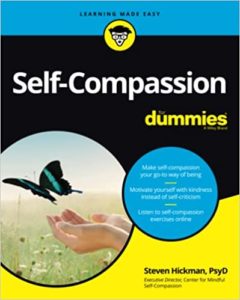
    We already know from experience that just reading about self-compassion can actually help some people become more self-compassionate. In the first randomized-controlled trial of the Mindful Self-Compassion program that Drs. Germer and Neff taught, results indicated that people in the self-compassion group showed greater increases in self-compassion, quality of life, resilience, and overall compared with the control group. Interestingly, although the results between the two groups clearly showed that the self-compassion course was effective, they noticed that even people in the control group who never participated in the course somehow showed significant improvements in their levels of self-compassion. When they looked further into this, they discovered that people knew that the study was about self-compassion, and when they were assigned to be in the control group which was a waitlist-control they started reading up on self-compassion. So quite a number of participants did a bit of study on their own about self-compassion and apparently became more self-compassionate as a result. We like to joke that just reading the books is clinically proven to improve self-compassion! People can read the wonderful books written by Dr. Neff, such as The Mindful Self-Compassion Workbook. It’s very much a self-help, self-guided course on self-compassion. My own book Self-Compassion for Dummies is also self-guided and designed to help people develop self-compassion.

    Conversely, there are a lot of us that really need the structure and format of a course, something that has sort of regular expectations. A little social support, guidance, and personalized attention allows people to really tap into their capacity to be more self-compassionate. This is where a course like Mindful Self-Compassion could be really beneficial for people and up to this point, the research backs it up.

    “We often say we give ourselves compassion not to feel better, but because we feel bad.”

    As the founding director of UC San Diego Center for Mindfulness, how do you see academic medicine embracing self-compassion?

    As I was establishing the center, I saw how mindfulness was starting to become accepted by academic medicine, which in the early years it was kind of viewed as a weird thing. Once colleagues learned I was running the Center for Mindfulness, they would come up to me after faculty meetings and say things like, “You’re that guy that does mindfulness, right? Well, don’t tell anyone but I meditate too.” It was like this dirty little secret that people were practicing mindfulness and they didn’t want their colleagues to know they were doing anything too far out.

    We have since come a long way. When I left UC San Diego, mindfulness was integrated into the medical school curriculum for all of the medical students coming through. There was quite an embrace of mindfulness and compassion across the university- as well as many other universities. There are a lot of great programs out there with physicians that incorporate mindfulness into the training. They’ve been supportive of the wonderful work being done.

    Self-compassion is newer in the healthcare realm, but I was recently reading about burnout in the health care profession and learned that approximately one in three physicians are experiencing burnout at any given time. This was a study published in 2020, I imagine given the pandemic that the number is probably higher now as a result. Mindfulness can help to some degree in terms of reducing burnout, but I think self-compassion, the capacity to meet ourselves when we’re struggling and having difficulty, and recognizing that we’re having a hard time, is quite powerful. It allows us to transcend those kinds of difficulties and ultimately develop that resilience and the ability to bounce back from difficult circumstances

    Over time self-compassion will become more woven into medical training and good medical care, largely because I think people in the medical profession are generally in their field because they’re compassionate people. The individuals who go into healthcare appreciate the value of compassion. What they may not realize is that they need to include themselves in the circle of compassion. Sometimes you hear these statements that you can’t be compassionate to other people unless you’re compassionate to yourself. That sort of sounds good on the surface at first, but if you if you poke at it a little bit, you realize it’s essentially not always true. There are a lot of people who are amazing at being compassionate to other people but treat themselves terribly. In other words, we can be kind to other people while simultaneously beating ourselves up for a while.

    The difference is that self-compassion allows you to continue to care for other people because you’ve included yourself in that circle. Self-compassion actually allows us to sustain our compassion for others because we’re being compassionate to ourselves as well. We’re putting gas in our own tank so that we can help put the gas in other people’s tank.
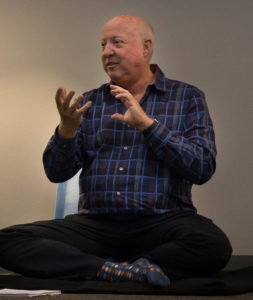
    Dr. Hickman leading a Mindful Self-Compassion course

    Do you think self-compassion could ever be a frontline treatment for mental health conditions?

    I don’t tend to think of either mindfulness or self-compassion as a treatment, per se. It’s sort of like physical fitness; you can’t treat something with physical fitness. The more self-compassionate, mindful, and resilient we become, the more we’re able to ameliorate difficulties that become depression, anxiety, PTSD, and related disorders.

    It’s an active ingredient more than it is a treatment. You can’t practice self-compassion to get depressed. You can practice self-compassion to ultimately help you move through depression and come out of it, but it’s not intended to be a treatment. It’s more like a prevention or a wellbeing approach that strengthens your capacity to navigate challenges as opposed to fixing a problem. When you start to practice mindfulness or self-compassion to get an outcome, you’re stuck right from the beginning. It’s about cultivating a different relationship with difficult experiences rather than changing them.

    We often say we give ourselves compassion not to feel better, but because we feel bad. If your kid has the flu, you might bring them a cold cloth, give them a hug, or say sweet things to them to comfort them in some way, but not because you’re actually treating the flu. You’re not an antiviral treatment. You are doing this because the child is suffering. Compassion and mindfulness are really the same in that they allow us to navigate that territory with greater ease, effectiveness, and resilience in the midst suffering.

    What is your ultimate vision for the field of self-compassion?

    I have to go back to this physical fitness analogy. If you talk to a random person on the street, they will know that there is a connection between being physically fit and good health or longevity. Everybody understands that at some level, yet we don’t have that level of understanding yet for mindfulness and compassion, but we’re getting there. My vision is that self-compassion becomes second nature, that it’s embedded in the way we raise our kids, the way we build our society, the things we ask of people in their professions- everything! So, it’s a lofty goal and is probably not going to happen in the next year or two, but we’ll be working on it.

    Buy it on Amazon

    New Book

    by Dr. Steven Hickman

    Being kind to yourself might sound simple, but self-compassion can change your life dramatically (and most of us are WAY kinder to others than to ourselves)  Self-Compassion For Dummies will help you discover self-critical thoughts and self-defeating behaviors that are holding you back from fulfilling your potential and explore how you can learn to work around these things to find your way to more joy and satisfaction. We often think being hard on ourselves will help motivate us to be better people, but Dr. Steven Hickman’s review of the research finds that just the opposite is true. When you learn to love and appreciate yourself completely (as an imperfect human with messy feelings and uncomfortable thoughts), you free yourself up to achieve great things. This book will show you how!

    Enjoy? Share with your friends

    Share on facebook
    Share on twitter
    Share on linkedin
    Share on reddit

    Related Posts

  • Interview with Dr. Erin Bantum

    Interview with Dr. Erin Bantum

    Interview with
    Dr. Erin Bantum

    Erin Bantum, PhD

    Dr. Erin Bantum is a clinical psychologist working as an Associate Professor at the University of Hawai’i Cancer Center. She designs and tests online interventions to promote well-being for folks who have been diagnosed with cancer. Some of these interventions have been in health promotion, such as physical activity, and other interventions have been more psychosocial in nature, such as emotional expression and mindfulness meditation. Erin is originally from Reno, Nevada, where she likes to go home and visit as much as she can.

    Parts of the interview have been edited for clarity and length. 

    How did you get into mindfulness personally and professionally?


    Dr. Thanh Huynh, a retired radiation oncologist and the creator of Freemindfulnesscourse.org, first introduced me to the practice of mindfulness meditation. He had conducted a small study with Dr. Carolyn Gotay, a former faculty and Program Director here at the University of Hawaii Cancer Center. We started talking about doing another study, also with groups of cancer survivors, and I began practicing mindfulness. Much of my work was in emotional expression with cancer survivors, and it was as if mindfulness meditation became this intervention that was beneficial to me in many ways. I realized how specialized I became in graduate school, and while that has its benefits, I loved how the benefits of mindfulness meditation could be very broad, and the way it helped regulate, integrate, and tune me into more depth of being was extremely impactful.


    What is the Mindfulness Coaching App and what inspired its development?


    Mindfulness Coach was developed to help Veterans, Service members, and others learn how to practice mindfulness. The app provides a gradual, self-guided training program designed to help you understand and adopt a simple mindfulness practice. This app was created by a group at the National Center for PTSD in Palo Alto. 


    I was grateful to join the team, which was led by my colleague, Jason Owen. There was an original version of Mindfulness Coach in existence, although the goal was to make it much more  versatile. The app is freely available and was created for people who have PTSD, although the information is delivered in a way that is accessible to all populations. We are currently testing the impact of Mindfulness Coach on anxiety and cancer related neuropathy for people who have been diagnosed with cancer.


    “I do think mobile interventions offer a far reach and so understanding how to increase their impact is a worthwhile challenge..”

    Mindfulness Coach app


    Learn More

    To your knowledge, have other research groups used your mobile app in their research? If so, are there any interesting findings?

    Mindfulness Coach has a previous version that has been tested, although the current version has been up and running in a few different trials more recently. I am not yet aware of outcomes of these trials with the new version of the app, although it is being used outside of the two current studies we are conducting here at the University of Hawaii Cancer Center.

    What promise do you think mobile interventions have for clinical medicine?


    I believe, in their current form, mobile interventions have terrific potential in terms of wide dissemination. They provide access to interventions that might not be offered in all locations and are also really beneficial here in Hawai’i, given our island community is primarily rural. 


    I also think that there are some challenges with mobile interventions. Mobile apps are ever present in our lives and can be easily disregarded. In trying to learn something new, such as mindfulness meditation, I think it is important to engage in ways that will be helpful for our practice, though, so examining whether mobile mindfulness is the best way to engage a given person seems important. It is also important to incorporate a supportive practicing community, like a sangha (a traditional Buddhist community). Finding ways to bring all the pieces together can take some effort, but I believe it is worth it. I do think mobile interventions offer a far reach and so understanding how to increase their impact is a worthwhile challenge.

    “My work, over the past fifteen years has had a core theme of social support running through it…”

    Where do you see your research going? Does your vision include a technological component? 

    I am interested in both face-to-face and online/mobile interventions. My work, over the past fifteen years has had a core theme of social support running through it, and I’d like to create an online mindfulness meditation intervention that includes a group component, such that people who have experienced cancer can meet and practice mindfulness meditation together. I would love to study the biobehavioral impact of these types of interventions within our community. I balance my existing ideas with an open mindedness to how those ideas can shift and develop if they need to, as well. I would also like to begin clinical work that I can bring mindfulness into. 


    Enjoy? Share with your friends

    Related Posts

  • Interview with Dr. Amy Brown

    Interview with Dr. Amy Brown

    Interview with Dr. Amy Brown

    Amy Brown, PhD, RDN

    Amy Brown, PhD, RDN, is a Professor in the John A. Burns School of Medicine at the University of Hawai’i at Mānoa. Her clinical and laboratory research is the area of Integrative Medicine and Medical Nutrition Therapy as it relates to diet, foods, and plant extracts that may hold therapeutic potential for disease. Dr. Brown has published in the field of diet and disease with regard to inflammatory bowel disease, psoriasis, dietary supplements, probiotics, autism, and the in vitro anti-proliferation of cancer cells by Pacific Basin plant substances from poi, ginger, and guava. She has authored over 44 scientific publications, along with “Understanding Food (6th Ed),” the number one college textbook in its field. Dr. Brown has also recognized the need for mindfulness in education and now teaches a mindfulness course for college students at the University of Hawai’i at Mānoa.

    Parts of the interview have been edited for clarity and length. 

    What inspired you to develop a mindfulness course for the University of Hawai’i?

    It was a confluence of events that melded into one path that gently guided me into teaching mindfulness to college students. About 15 years ago, I joined a small group meditating weekly in the beautiful hills of Honolulu, Hawai’i in a Buddhist temple led by a community volunteer with a deep, calming voice. Working at a university is not easy, and I had to deal with some pretty petty politics, and a part of me just gave up and gave it all to God-completely. At this point, I was alone in the Diamond Head theater waiting for the Christian service to begin, and to my amazement everything just melded together into this beautiful symphony of moving color. The energy was all encompassing infusing me with the feeling of pure God universally intertwined with Love. My perspective shifted where I could look down and saw myself with my silly problems and I just began to laugh. Nothing could bother me now.

     The researcher bug in me sent me searching for everything I could find on mindfulness.  I found and joined a local mindfulness group called Mindful Hawai’i. The leader asked me why there wasn’t a mindfulness class at the university. There was one, but limited to about 20 student a semester. The initial barrier of not having a “degree” in mindfulness was swept out into the ocean. After all, what did people do before degrees existed? They learned!

     I meekly submitted the paperwork for a new class called CAAM 401 Mindfulness Meditation and Stress Reduction. It grew from 20 students in 2017 to over 100 students by 2021. The feedback is incredible and it’s the best and the most fulfilling class I’ve ever taught.

    “I wanted to help people learn the life-coping skills I did not have at their young age.”

    I wanted to help people learn the life-coping skills I did not have at their young age. Ultimately, it will change the world, because when you change each person’s heart, a “positron” is born. A mindful person or “positron” does not hurt others or the world.  My vision is that when you change a person’s heart-centeredness, it will benefit the world to make people less unaware, harmful, and ego-driven and instead more aware, peaceful, and working toward the greater good.

    How have you structured the class to optimize engagement for a larger course? Do you have homework, quizzes, or take attendance?

    I wanted to reduce stress, so there are no quizzes, tests, papers, presentations or even a final. The only requirement is attendance. You just have to “be present.” Zoom takes attendance through Excel and even logs if they are late or leave early. No slouching is another requirement because a relaxed, yet somewhat straight spine is important for staying at “attention” and experiencing the deeper benefits of meditation. Despite these simple requirements, there’s always someone at the end of the semester with an “F” grade, asking me, “How could you do this?” Even the attendance could tell that these students weren’t present…

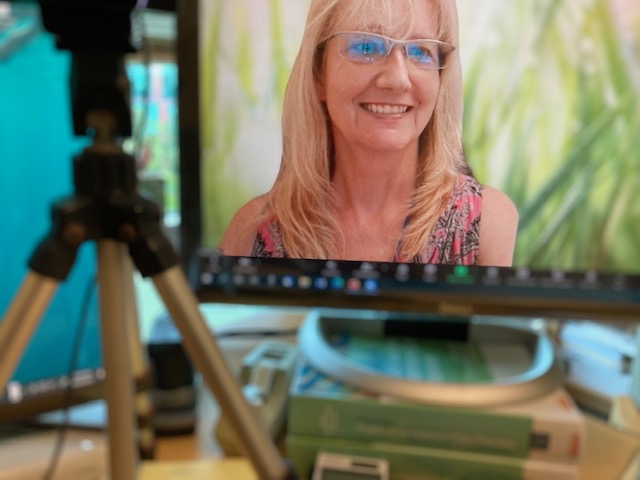
    Dr. Brown leading a mindfulness class virtually
    “The feedback is incredible and it’s the best and the most fulfilling class I’ve ever taught.”

    What are some of the challenges of teaching mindfulness as a university course on Zoom?

    I was one of the first professors to create and teach an online course 15 years ago, but it’s a burden when it’s all your classes due to COVID. You can’t feel the pulse of the class. They stare at you like zombies. You crack jokes and no one cracks a smile. The students are tired and exhausted. I feel for them, but there’s only so much saline you can pump into the lifeless. Yet, they end the class with a symphony of thank you “Aunties,” and it pumps me up, makes me smile, and continue trekking on.

    Do you feel that the COVID pandemic has increased the need for mindfulness skills training in university settings?

    Yes. I grew up with not much life skill teachings. I had plenty of academic education, but real life lessons were left to chance and circumstance. I literally could have been killed, but made it through. Anyway, I think it’s terribly insufficient not to teach life skills; it’s literally akin to throwing someone overboard and telling them to swim. Well, I swam like hell, but wanted to make it easier for these emerging adults to have some rope to haul themselves onto shore. I didn’t want them to needlessly struggle and suffer as much as I did, and mindfulness is one of those tools that definitely helps us all during this time. I’m helping them in the way that I wish I would have been helped.

    Do you have any quotes from your class that students particularly resonate with?

    “It was only a sunny smile, and little it cost in the giving, but like morning light it scattered the night and made the day worth living. “

     F. Scott Fitzgerald

    Enjoy? Share with your friends

    Related Posts

  • Interview with Dr. Thao Le

    Interview with Dr. Thao Le

    Interview with Dr. Thao Le

    Thao Le, PhD, MPH

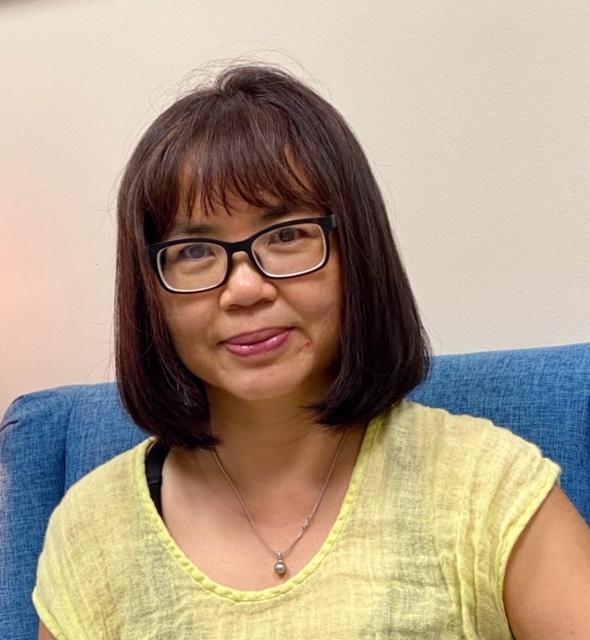
    Dr. Thao Le is currently serving as professor in Human Development & Family Studies at the University of Hawai’i Mānoa. She was previously at Colorado State University where she gave up promotion & tenure to come to Hawai’i because of her connection to the island/sea, and with Native Hawaiian collaborators. Prior to academia, she worked in a non-profit in Oakland, California for 14 years focusing on preventing youth delinquency, with particular attention to Asian and immigrant population. Her current research work at UHM is focusing on farmer stress, restoration of native ecology (with her NH collaborators), and mindfulness for Keiki/educators in Hawai’i.

    Parts of the interview have been edited for clarity and length. 

    When did you first bring mindfulness to the University of Hawai’i and what inspired you? 

    I came to the University of Hawai’i, Mānoa in 2011 and I started a mindfulness course in 2013. It started off as an experimental class. I taught it for two years so that I could collect data and confirm that students were interested in a mindfulness curriculum. It started off with small groups of six students and then just kept building. It was in 2016 when I received a designated course number designation. So it’s been a 3-credit course for UHM students for the past eight years. 

    I arrived to UHM by way of Colorado State University where I was already working with youth development in terms of suicide prevention with the Native American tribes in Montana. It was a pilot study to incorporate mindfulness within their tribal school. That inspired me. When I arrived to Hawai’i, I asked whether I could try to get mindfulness on campus, because I didn’t see anyone doing it at that time. It was very different from what it is now- everybody knows about mindfulness these days. That was absolutely not the case eight years ago. 

    What is the focus of the upper division mindfulness course you teach at the University of Hawai’i? 

    The focus is to introduce the concept of mindfulness, encourage practice, and foster reflective writing. Students have homework practice and writing assignments. It’s also an ethics focused course and students are required to do a considerable amount of reflection. Since I’m in the Human Development Family Studies program, I see mindfulness as part of human development. Mindfulness helps with social emotional regulation and understanding the workings of the mind. Our students acquire different types of training and development courses like infant and youth development, financial and family planning, and conflict management. This is a nice fit because it’s about fostering understanding of who we are, why we developed a certain way, with certain habits and dispositions, and how to live skillfully. 

    You cannot provide the resources and serve others if you don’t understand the inner-workings of the mind. I try to challenge students to reflect and explore ethics through the course materials. Mindfulness is just a tool in practice, but without ethics, mindfulness can be appropriated in different ways than it was intended.

    “I see mindfulness as part of human development.”

    What is the Pause Space and how do you see the campus community engaging in it? 

    My mindfulness course has evolved and continues to evolve depending on the students. But the Pause Space was developed because I wanted a physical place to cultivate the practice so that students taking the course weren’t limited to doing the exercises only in class. The Pause Space was another venue in which students as well as the community could also join the practice. Ultimately, my intention is for it to be a service space to help students, faculty, staff, or anyone from the community to connect with themselves. Don’t we all need to pause? 

    There’s a small community of us who have continued to gather throughout this whole pandemic. Every Friday we gather and some students casually drop in. Sometimes though my schedule doesn’t allow it, but somehow it always works out, and it’s helpful to have fellowship in the practice. 

    What lessons do you wish you knew when you first started the Pause Space?

     I wish that there was more administrative support. When we start initiatives as educators, it’s based on our own resources. I would like to have a more aesthetically pleasing and welcoming space because the physical environment is important. 

    I also could have been more politically involved. The university’s counseling center offers important mental health services but many students come to my course saying they were told by their university mental health and academic counselors to take my course. My class was never supposed to be a counseling course and it is not. Maybe I should have reached out to the counseling center and offered to do a collaboration. I don’t want to encroach upon anyone’s territory, for me I see it more as a service, a prevention service, and a skill that could be helpful to students in their learning journey. 

    What advice would you give to educators hoping to bring mindfulness into their campus communities? 

    Do it. You learn by trial and error and you learn a lot when you try it yourself, rather than take the learnings from others. If I were to tell you how to cook a dish and there’s a recipe, unless you do your own cooking, you’re not going to know which ingredients work and what the dish tastes like- everybody’s got their own flavor and style. 

    When I first asked some of my colleagues about starting a mindfulness course, they dissuaded me saying that you can’t mix religion and science, or religion with education. This has nothing to do with religion. I’m not professing to make everybody mindful or promoting any religion, but I didn’t get any slack. I went ahead and did it anyway. So that’s why I say let’s do it! 

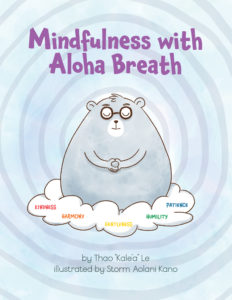
    You also recently wrote two children’s books on mindfulness: Mindfulness with Aloha Breath and Akahai. How do these books fit into your overall vision for mindfulness in education? 

    This was my attempt to address a fundamental concern about the cultural adaptation of mindfulness curricula. Hawaii educators acquire most of the resources on mindfulness from mainstream mindfulness curriculum being promoted on the mainland, and it’s not always culturally relevant with little buy-in among line staff like teachers. These two children’s books are based in the local culture. It’s important to fuse the values that are locally meaningful. So that’s why I felt compelled to create Mindfulness with Aloha Breath and Akahai, which means kindness in Hawaiian. Plus, Uncle Bruce Keaulani, a Native Hawaiian cultural practitioner, said I must do it because he tells me I’m Hawaiian, I guess at heart! 


    Buy on Amazon

    Buy on Amazon

    I’ve offered these books for free and it has been sponsored generously by the Office of Youth Services. I’m able to provide mindfulness training using these books to different educators and social service providers on O’ahu and Big Island. I have provided over 5,000 copies to date. I love being a local resource for K-12 educators here in the Hawaiian educational and social service communities. 

    These books teach mindfulness through a Hawaiian framework. Why is that important? 

    It is important because we are meaning-making creatures; when it’s presented in a way that resonates with the way that we understand the world, then it’s much more likely to have buy-in, to resonate in people’s heart and mind. 

    My books were developed with the intent of using the values and understanding taught here in Hawai’i. I wish there was a research study that would explore whether making mindfulness culturally appropriate is effective. I think a study that compares a standard mindfulness curriculum to one with cultural adaptation would be very interesting. I’m waiting to see that research for the various cultural contexts that exist in Hawai’i, America, and the world, or happy to collaborate with anyone on this study!

    ” Ultimately, my intention is for it to be a service space to help students, faculty, staff, or anyone from the community to connect with themselves. Don’t we all need to pause?.”

    Enjoy? Share with your friends

    Related Posts

  • Interview with Dr. Philippe Goldin

    Interview with Dr. Philippe Goldin

    Interview with Dr. Philippe Goldin


    By Michael Juberg

    Philippe Goldin, PhD

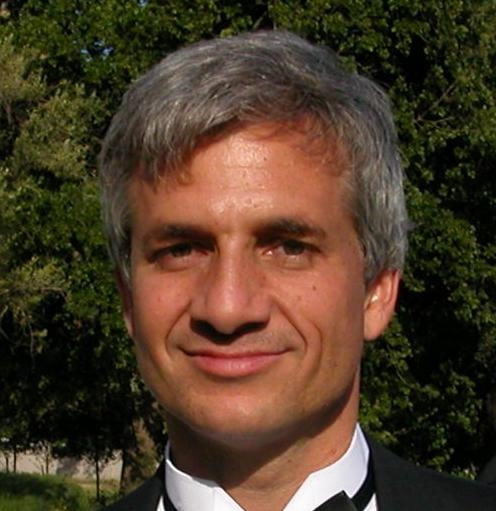
    Philippe Goldin, Ph.D. is an Associate Professor at UC Davis and leads the Clinically Applied Affective Neuroscience. His team is currently engaged in (a) basic research on the brain networks that differentiate different types of emotion regulation strategies; (b) clinical research on the neural bases of psychopathology; and (c) clinical intervention research examining the brain and behavioral mechanisms of therapeutic change during Cognitive-Behavioral Therapy, Mindfulness-based Stress Reduction, and Compassion Cultivation Training in adults with anxiety, depression and chronic pain disorders.

    Parts of the interview have been edited for clarity and length. 

    What was the influence of Tibetan language, Buddhist philosophy, and psychology on your own research trajectory?

    Huge! Having met Buddhism in Asia, not in the United States, I think I have a very different experience and background than most people in the U.S., which is often more secular and less embedded in context. One of the biggest differences is that I have studied Sanskrit, Tibetan, and Nepali and lived in monasteries, learned Tibetan Buddhist practices, and served as a translator for several different lamas in different lineages within Tibetan Buddhism. These enriching experiences provide a historical, linguistic, and philosophical context for both my contemplative practice and my own research, which you don’t really see in the United States.

    Did you find a natural segue from your religious studies to psychology?

    Yes, Buddhism itself is deeply psychological, philosophical, and experiential. When I came back to the United States, I was thinking medicine, law, psychology, and I thought a doctorate in psychology would be a natural flow from what I was doing before.

    What is Search Inside Yourself Leadership Institute and what brought it into existence?

    A team at Google, led by Chade-Meng Tan, was trying to create a program for Googlers that was steeped both in contemplative practice and neuroscience. Someone recommended me so I went to Google, gave several talks, met with various teams, and a core group of us created this program. We were able to infuse clinical science, neuroscience, cognitive, and affective sciences into a 7-week program to increase the common denominator of communication skills, emotional awareness, emotional regulation, emotional intelligence, and empathy. The Search Inside Yourself Leadership Institute has become highly successful and has undergone several permutations.

    It was called Search Inside Yourself, which is a pun for the search engine, and it is also known as a mindfulness-based emotional intelligence leadership skills training course. I ended up teaching in Google offices in Europe and the United States. Eventually, the lawyers at Google allowed us to take the program out of Google and start the Search Inside Yourself Leadership Institute which is located in San Francisco and has become a platform that has trained over 1000 instructors from all over the world. We hope it continues to bring organizations a set of skills that creates better environments for work, leadership, listening, and communicating.

    “…Search Inside Yourself Leadership Institute .. has become a platform that has trained over 1000 instructors from all over the world. “

    What is clinical translational neuroscience and how can it help us better understand how to help people with clinical problems?

    Translational neuroscience is the idea of taking models, theories, and what we know about brain circuitry to help translate these into a better understanding of how clinical interventions work, whether these interventions are psychosocial, physical exercise, medication, or meditation. Fundamental to our question is what are the brain patterns associated with psychological dysregulation, how are the brain circuits modified, and how will that predict who will and won’t benefit from certain types of interventions. In essence, can we take functional brain patterns to help us understand the underlying mechanisms more clearly and modify current interventions to make them more effective?

    For example, if you know that working memory is essential for certain clinical interventions and you know a certain subset of the population is not using their working memory efficiently, can they be trained on a task that increases different parts of the frontal-parietal cortical brain network that support attention and memory and subsequently make cognitive behavioral therapy, more effective? That is the translation from the neuroscience of core brain circuitry to what influences clinical interventions with the hope that the interventions become more effective.

    One research topic I’m pursuing is the different forms of emotional regulation. There are various forms of emotional regulation such as suppressing what you’re feeling, distracting your attention, redirecting your attention in a goal-oriented way, perspective-taking, or even taking a compassionate orientation, which is also one type of cognitive appraisal. So you can imagine assessing current ability in these many domains and then seeing where they are weak, and then giving patients a sequence of training exercises that enhances a particular skill that is currently underdeveloped. We can potentially have several different options for training those skills and continue to assess their development.


    science of mindfulness interview with Philippe Goldin

    “Mindfulness is not the end; it’s just the beginning.”

    What is Compassion Cultivation Training (CCT) and what promise does it hold for the field of contemplative sciences?

    I think it has tremendous potential. At Stanford University, a group of us came together first to create the Center for Compassion, Altruism, Research, and Education. From that, a group of us came together to create the Compassion Cultivation Training (CCT), which initially started as a nine-week program and was later reduced to eight weeks. It is a training that includes mindfulness practice throughout to stabilize the mind and cultivate balance, and progressively goes through a sequence of different types of compassion practices to build up the skill of paying attention to others, perspective taking, recognizing suffering, then generating the wish to be free of the causes and conditions that give rise to that suffering.

    This training program has blossomed and now many people are trained to lead CCT throughout the world. Just as Mindfulness-based Stress Reduction is a preliminary introduction to a few types of mindfulness practices, CCT is also a preliminary introduction to a few types of compassion practices. In the future, we need to do contemplative research on what comes next, for examples, studying more advanced practices that make use of the mindfulness training people already are using. Mindfulness is not the end; it’s just the beginning.

    Interestingly, one finding from your CCT study reported that participants are more capable of regulating affective states, yet they reported less desire to regulate these emotional states. What might be happening?

    We try to regulate something that we’re not comfortable with. If I become more at ease and accept my experiences, my positive or negative emotions, then there will be less need to regulate, change and modify. That is more of an acceptance stance, where we don’t need to change what we are experiencing but rather how I relate to what I’m experiencing. This is particularly relevant to physical pain, which is very hard to treat. There is some research to suggest that for long-term meditators who have chronic pain, they still experience pain but they are less bothered by it and the pain causes less interference with daily functioning. This suggests that it is possible to modify how fused we are with what we are experiencing. We can observe without getting sucked in and experiencing suffering – that is very promising.

    Your study also found that reductions in mind-wandering to unpleasant topics and increases in mind-wandering to pleasant topics were related to increases in caring behaviors for oneself and others. What might explain this link?

    That was surprising! What’s interesting in doing research is that we ask the questions, conduct the study, then we let the data speak. We did not expect to see an increase in mind-wandering to pleasant topics, and this suggests that mind-wandering is more complex than we think.

    I actually have a study that looks at two different aspects of mind wandering: spontaneous vs intentional, which could be strategic, problem-solving, or curiosity. We did see different trajectories. We don’t trust the results from one study alone, but rather preferably from multiple studies and labs to see if there is a convergence of results. That being said, mind-wandering to pleasant things could be a form of avoidance, savoring, or a reflection of less negative and more positive reappraisal.

    In that study of CCT, we did daily experience sampling twice a day, every day, for 11 weeks. What we found was that if people practiced meditation that day, there was an increase in behavior that was caring toward others and oneself. That suggests that doing some form of formal meditation frees up resources to be able to notice and to engage in behaviors that are prosocial and help others, or even helps oneself. We have another study that we haven’t published yet that studies changes in a community sample over 21 days. We did a mediator analysis to investigate the mechanisms. It appears that when participants did meditation practice, their anxiety levels decreased, and that led to increases in caring behaviors. So we know that when people are in a state of anxiety, their scope of awareness narrows, their creativity decreases, and they have less perspective-taking. When people are more calm, their field of view opens, broadens, with a greater ability to take the perspective of the other, to see, to notice, which leads to prosocial behaviors.

    “So we know that when people are in a state of anxiety, their scope of awareness narrows, their creativity decreases, and they have less perspective-taking.”

    How does self-care behaviors or reductions in anxiety serve as a mediating link?

    We did formal mediation analysis. The reduction in anxiety served as a mediator between training in compassion and caring behaviors. If that is replicated, then you can imagine getting more precise. Similar to MBSR, Compassion Cultivation Training includes many different practices. The question becomes which practices really reduce anxiety and therefore free up resources to shift behaviors? Instead of assuming the same practices work for everyone, there is a precision tailoring of sequences of contemplative practices. That’s getting into precision well-being.

    Can you capture that using fMRI neurological assessment?

    Not sure. Electroencephalography (EEG) is used for individual differences and is capable of obtaining reliable data on an individual person basis. For fMRI, the signal-to-noise ratio, the strength of the signal against background noise, is very low, and thus is a concern. Therefore fMRI studies need to be done on a group and not the individual level. With stronger technology like 7 Tesla scanners, maybe we can get stronger signals from an individual participant. Our technology isn’t there yet. Maybe we can access a brain network that is robust like the self-referential network, which has been the most robust task I have used. This makes sense from an evolutionary perspective because we pay a lot of attention to ourselves. We see the strongest responses in this network. There are other forms of brain imaging that might be more amenable.

    In one paper, you suggest that compassion meditation might be a tool for social justice. What are you envisioning?

    We have one study that was completed with my colleague, Hooria Jazaieri, in which we found that moral decision-making shifted as a function of doing an 8-week MBSR program in a graduate student sample. Another colleague, Jennifer Daubenmier, is looking at mindfulness vs compassion and its influence on social justice. If we enhance qualities that we already have like awareness, empathy, compassion, perspective-taking, can those abilities be oriented to seeing others? Can that be taken even further with regards to injustice? Everything is interconnected.

    If there was one study you could win the Nobel prize for, what would it be and how would it change the world through scientific discovery?

    I have yet to publish that we did a modified version of MBSR for 8-12-year-olds and their parents. That was a fascinating study since we were interested in training the family system instead of just the individual. Most studies are focused on individuals. Compassion intervention studies are inherently relational. It’s beginning to shift to a mindfulness-in-action perspective for the benefit of others. This family study was the most fascinating because we assessed kids and their parents, together and separately. This is meaningful because the goal isn’t the individual level but the family system. You can imagine the potential of parents and children engaging in these practices together and how this would affect multiple systems from a family to the rest of society.


    science of mindfulness interview with Philippe Goldin
    Via Pixabay

    “When people are more calm, their field of view opens, broadens, with a greater ability to take the perspective of the other, to see, to notice, which leads to prosocial behaviors.”

    To Learn More about Clinically Applied Affective Neuroscience visit The Goldin Lab at UC Davis. 

    Enjoy? Share with your friends

    Related Posts