Category: Resources

  • What is Mindfulness-based Resilience Training (MBRT)?

    What is Mindfulness-based Resilience Training (MBRT)?

    What is Mindfulness-Based
    REsilience Training (MBRT)?

    By Dr. Michael Christoper
    SoM-First-Responder-MBRT
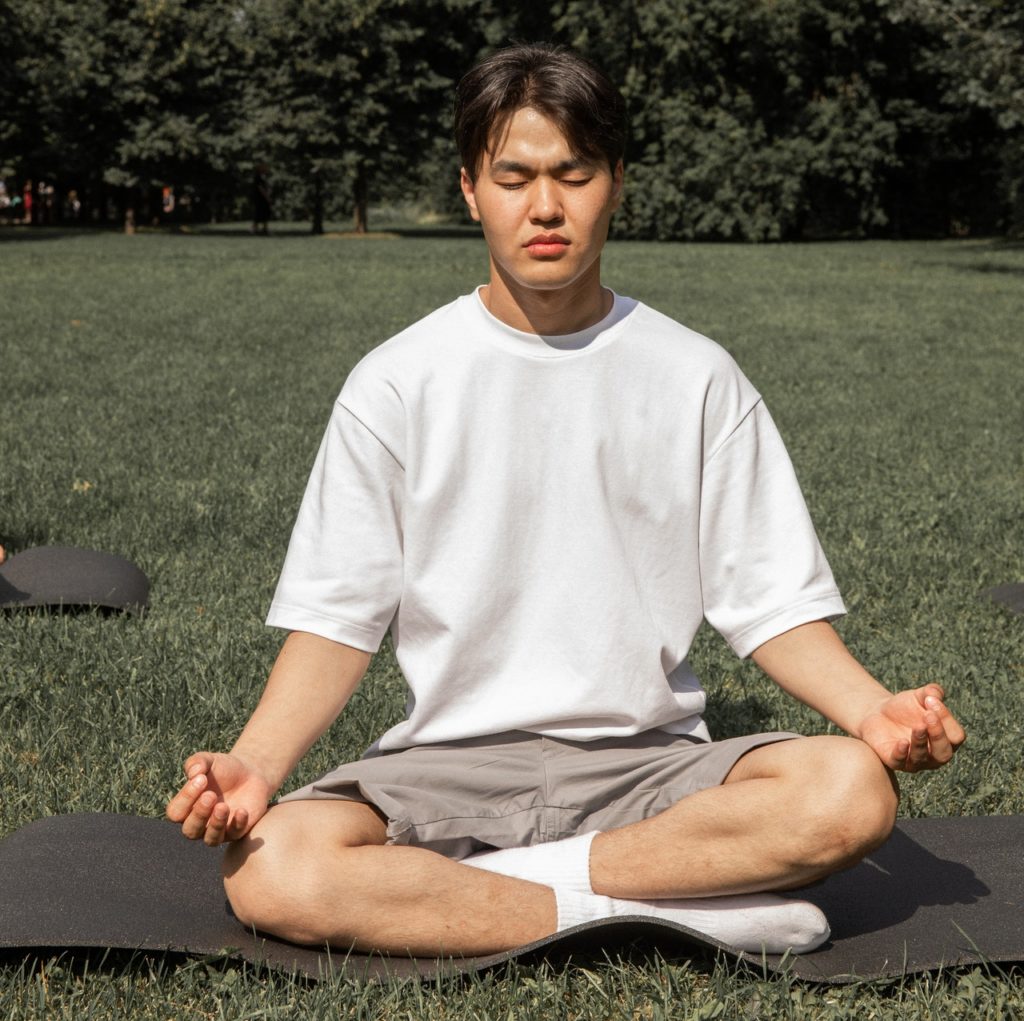
    Photo by Giulia Bertelli via Unsplash

    Mindfulness-Based Resilience Training (MBRT)

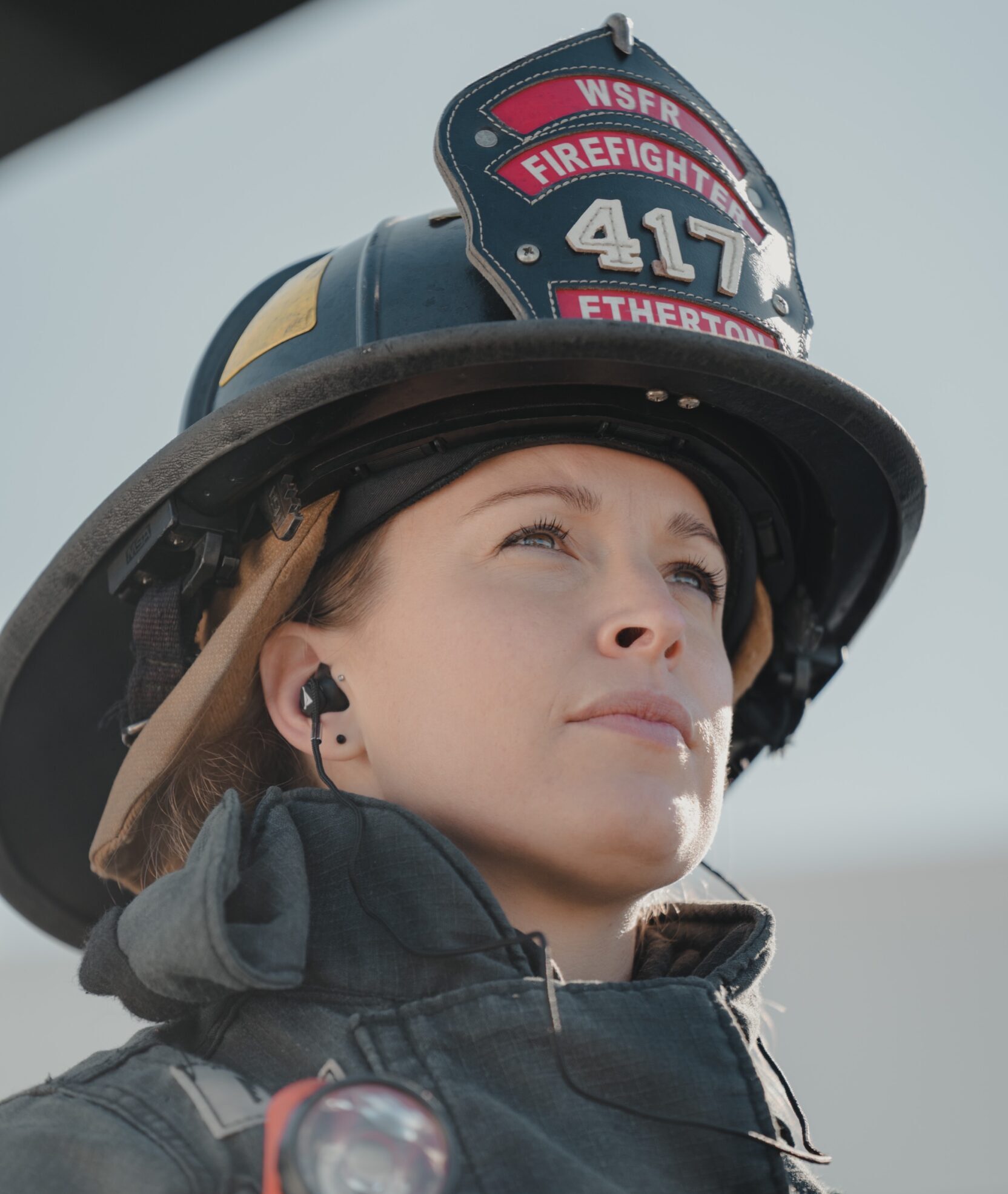
    Mindfulness-based resilience training (Christopher et al., 2016; 2018)  is designed to enhance resilience and reduce aggression and use of force errors among law enforcement and other first responders. Based on a MBRP framework, it is an 8-week course with experiential and didactic exercises, including body scan, sitting and walking meditations, mindful movement, and other MBRP practices (Bowen et al., 2011). 

    Course Format: Weekly classes last 2 hours, and the seventh week is an extended 6-hour class. Each class contains experiential and didactic exercises, as well as discussion and homework. Content and language of experiential exercises were altered to be more relevant to first responders, and much of the curriculum is focused on learning strategies to manage stressors inherent to this type of work. These include critical incidents, chronic stress, and public scrutiny, as well as interpersonal, affective, and behavioral challenges in first responders’ personal lives. Didactic learning is much more prominent than in most other MBIs. This was found to be very helpful for first responders as they sought to enhance their intention to endure the challenges of the training. 

    “While exposure to trauma and stressors is an inherent part of a police officer’s job, programs that teach them to relate to these experiences more skillfully may help reduce the harmful effects of stress on their behaviors with the diverse citizens they serve.”

    An additional adaptation, in the tradition of typical first responder meetings, is the inclusion of a debriefing at the conclusion of each class, in which participants ask questions and give frank feedback about the class. The mindful encounters exercise is a derivation of the martial arts exercises (e.g., conversational Jujitsu) used in the MBSR curriculum to practice mindful interpersonal conflict. The exercise is framed as an important skill to be used when interacting with others. In another exercise, reactivity awareness, participants settle into a sustained, reclined breath- awareness practice, and then with verbal instruction to sustain awareness, a 911 call center recording with emergency audio tone is played for 60 seconds and then turned off. Participants are cued to continue sustained attention to body sensation and breath for a few more minutes, helping them gain an experiential sense of stress physiology. In addition, participants are invited to include a component of mindfulness during their regular exercise regimen, such as running, swimming, or biking, as part of their mindful movement homework. 

    While exposure to trauma and stressors is an inherent part of a police officer’s job, programs that teach them to relate to these experiences more skillfully may help reduce the harmful effects of stress on their behaviors with the diverse citizens they serve. An important training practice is LKM, through which officers develop kindness and warmth for themselves and members of the communities they serve. Given the injustices communities of color are suffering, it is important for police officers to develop connections and an understanding of the humanness of people in these communities.

    References

    Bowen, S., Witkiewitz, K., Chawla, N., & Grow, J. (2011). Integrating mindfulness meditation and cognitive behavioral traditions for the long-term treatment of addictive behaviors. JCOM,18(10), 473-479.

    Christopher, M. S., Goerling, R. J., Rogers, B. S., Hunsinger, M., Baron, G., Bergman, A. L., & Zava, D. T. (2016). A Pilot Study Evaluating the Effectiveness of a Mindfulness-Based Intervention on Cortisol Awakening Response and Health Outcomes among Law Enforcement Officers. Journal of Police and Criminal Psychology, 31(1), 15-28. https://doi.org/10.1007/s11896-015-9161-x

    Christopher, Michael S., Hunsinger, M., Goerling, L. Richard J., Bowen, S., Rogers, Brant S., Gross, Cynthia R., Dapolonia, E., Pruessner, Jens C. (2018). Mindfulness-based resilience training to reduce health risk, stress reactivity, and aggression among law enforcement officers: A feasibility and preliminary efficacy trial. Psychiatry Research, 264, 104-115. https://doi.org/https://doi.org/10.1016/j.psychres.2018.03.059

    Hunsinger, M., Christopher, M., & Schmidt, A. M. (2019). Mindfulness Training, Implicit Bias, and Force Response Decision-Making. Mindfulness, 10(12), 2555-2566. https://doi.org/10.1007/s12671-019-01213-8


    Enjoy? Share with your friends

    Related Posts

  • What is Mindful Self-Compassion (MSC)?

    What is Mindful Self-Compassion (MSC)?

    What is Mindful
    Self-Compassion (Msc)?

    By Dr. Christopher Germer


    Photo by Giulia Bertelli via Unsplash

    Mindful Self-Compassion (MSC)

    Mindful Self-Compassion, also known as MSC, is an evidence-based group training that was developed originally by Christopher Germer, PhD (clinical psychologist, Harvard Medical School) and Kristin Neff, PhD (developmental psychologist, University of Texas, Austin). Inspired by research studies showing that self-compassion is consistently associated with health and wellbeing, MSC was designed to help people become more self-compassionate. MSC is “mindfulness-based self-compassion training” and is complementary to the MBSR training. Based on Kristin Neff’s definition of self-compassion, MSC specifically teaches mindfulness versus overidentification, common humanity versus isolation, and self-kindness versus self-criticism. By becoming more self-compassionate, participants find it easier to manage difficult emotions and make positive changes in their lives.

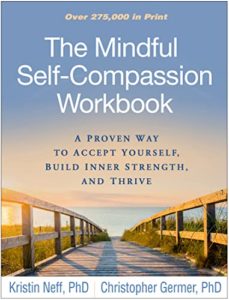
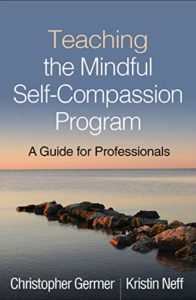
    Course Format: The MSC program follows a manualized protocol described in Teaching the Mindful Self-Compassion Program (Germer & Neff, 2019). The Mindful Self-Compassion Workbook (Neff & Germer, 2018) is used by participants in conjunction with MSC. MSC is an 8-week, 9-session program with 24+ hours of direct classroom content, and is taught in-person or online. The first two sessions introduce participants to mindfulness, self-compassion and the program itself, especially by embracing each participant’s unique identities. In session 3, participants start to warm up their awareness with loving-kindness practice. Sessions 4-7 teach participants how to be self-compassionate when they encounter challenging situations such as difficult emotions and relationships. Session 8 shows participants how to savor the positive aspects of our lives. MSC includes 7 formal meditations, 20 informal practices, and 14 class exercises. Graduates of MSC are encouraged to continue to practice self-compassion in whatever form is most meaningful to them and to stay connected with the global community of practitioners.

    “By cultivating warmth and goodwill towards ourselves when we struggle, fail or feel inadequate, we feel safer and more connected to ourselves and others, which enhances our awareness, helps us make better decisions, motivates us to live in accord with our core values, and allows us to be more fully human.”

    Instructor Requirements: Similar to other mindfulness-based programs, there is a formal teacher training process with certain prerequisites, including an established mindfulness practice of at least 2 years, participation in a MSC class, a silent meditation retreat, and previous experience teaching meditation in groups. MSC teacher training is coordinated through the Center for MSC and includes 3 steps: a teacher training course (in-person or online), an online teacher practicum, and online group consultation while teaching one’s first class. While teaching MSC, teachers are required to have a personal mindfulness and self-compassion practice, and they are strongly encouraged to continue evolving as teachers through engagement with the global community of MSC teachers.

    Course Outcomes: MSC was designed to develop the inner resource of self-compassion. According to empirical studies, MSC participants report increases self-compassion, compassion for others, mindfulness, happiness, and life satisfaction, and reductions in stress, anxiety and depression.

    Clinical Populations: Although MSC was developed for the general population, it has also been adapted for clinical populations. For example, among people suffering from chronic pain, MSC enhanced pain acceptance and reduce pain interference compared to cognitive behavioral therapy. In a sample of diabetics, MSC reduced distress about diabetes-specific distress and glucose levels. An adaptation of MSC for healthcare providers reduced secondary traumatic distress and burnout. MSC adapted for adolescents enhanced social connection and reduced anxiety. Participants must be aware that self-compassion training can activate old emotional wounds. MSC teachers are committed to helping participants feel safe and comfortable during the course, but participants need to take primary responsibility for their own wellbeing.

    The Official MSC Workbook


    Buy it on Amazon

    The Official MSC Guide for Professionals


    Buy it on Amazon
    References (Updated 2022)


    1. Albertson, E. R., Neff, K. D., & Dill-Shackleford, K. E. (2014). Self-Compassion and Body Dissatisfaction in Women: A Randomized Controlled Trial of a Brief Meditation Intervention. Mindfulness, 1-11.  PDF
    2. Bluth, K., & Eisenlohr-Moul, T. A. (2017). Response to a mindful self-compassion intervention in teens: A within-person association of mindfulness, self-compassion, and emotional well-being outcomes. Journal of Adolescence, 57, 108-118. PDF
    3. Bluth, K., Gaylord, S. A., Campo, R. A., Mullarkey, M. C., & Hobbs, L. (2015). Making Friends with Yourself: A Mixed Methods Pilot Study of a Mindful Self-Compassion Program for Adolescents. Mindfulness, 1-14. PDF
    4. Bluth, K., Lathren, C., Silbersack Hickey, J. V. T., Zimmerman, S., Wretman, C. J., & Sloane, P. D. (2021). Self-compassion training for certified nurse assistants in nursing homes. Journal of the American Geriatrics Society, 69(7), 1896–1905. PDF
    5. Boggiss, A. L., Consedine, N. S., Schache, K. R., Jefferies, C., Bluth, K., Hofman, P. L., & Serlachius, A. S. (2020). A brief self-compassion intervention for adolescents with type 1 diabetes and disordered eating: A feasibility study. Diabetic Medicine, 37(11), 1854–1860. PDF
    6. Brooker, J., Julian, J., Millar, J., Prince, H. M., Kenealy, M., Herbert, K., … & Frydenberg, M. (2020). A feasibility and acceptability study of an adaptation of the Mindful Self-Compassion program for adult cancer patients. Palliative & Supportive Care, 18(2), 130-140. PDF
    7. Campo, R. A., Bluth, K., Santacroce, S. J., Knapik, S., Tan, J., Gold, S., … & Asher, G. N. (2017). A mindful self-compassion videoconference intervention for nationally recruited posttreatment young adult cancer survivors: feasibility, acceptability, and psychosocial outcomes. Supportive Care in Cancer, 25(6), 1759-1768. PDF
    8. Delaney, M. C. (2018). Caring for the caregivers: Evaluation of the effect of an eight-week pilot mindful self-compassion (MSC) training program on nurses’ compassion fatigue and resilience. PloS one, 13(11), e0207261. PDF
    9. Finlay-Jones, A., Strauss, P., Perry, Y., Waters, Z., Gilbey, D., Windred, M., Murdoch, A., Pugh, C., Ohan, J. L., & Lin, A. (2021). Group mindful self-compassion training to improve mental health outcomes for LGBTQIA+ young adults: Rationale and protocol for a randomised controlled trial. Contemporary Clinical Trials, 102, 106268. PDF
    10. Finlay-Jones, A., Xie, Q., Huang, X., Ma, X., & Guo, X. (2017). A Pilot Study of the 8-Week Mindful Self-Compassion Training Program in a Chinese Community Sample. Mindfulness, 1-10. PDF
    11. Friis, A. M., Johnson, M. H., Cutfield, R. G., & Consedine, N. S. (2016). Kindness matters: a randomized controlled trial of a mindful self-compassion intervention improves depression, distress, and HbA1c among patients with diabetes. Diabetes Care, dc160416. PDF
    12. Guo, L., Zhang, J., Mu, L., & Ye, Z. (2020). Preventing Postpartum Depression With Mindful Self-Compassion Intervention: A Randomized Control Study. The Journal of Nervous and Mental Disease, 208(2), 101-107. PDF 
    13. Halamova, J., Kanovsky, M., Jakubcova, K., & Kupeli, N. (2020). Short online compassionate intervention based on Mindful Self-Compassion program. Československá Psychologie, 64(2), 236–250. PDF
    14. Jiménez-Gómez, L., Yela, J. R., Crego, A., Melero-Ventola, A. R., & Gómez-Martínez, M. Á. (2022). Effectiveness of the Mindfulness-Based Stress Reduction (MBSR) vs. The Mindful Self-Compassion (MSC) programs in clinical and health psychologist trainees. Mindfulness. PDF
    15. Lathren, C., Bluth, K., Campo, R., Tan, W., & Futch, W. (2018). Young adult cancer survivors’ experiences with a mindful self-compassion (MSC) video-chat intervention: A qualitative analysis. Self and Identity, 17(6), 646-665. PDF
    16. Lathren, C., Sheffield-Abdullah, K., Sloane, P. D., Bluth, K., Hickey, J. V. T. S., Wretman, C. J., Phillips, L. P., & Zimmerman, S. (2021). Certified nursing assistants’ experiences with self-compassion training in the nursing home setting. Geriatric Nursing, 42(6), 1341–1348. PDF
    17. Lutz, J., Berry, M. P., Napadow, V., Germer, C., Pollak, S., Gardiner, P., Edwards, R.R., Desbordes, G., & Schuman-Olivier, Z. (2020). Neural activations during self-related processing in patients with chronic pain and effects of a brief self-compassion training–a pilot study. Psychiatry Research: Neuroimaging, 111155. PDF
    18. Neff, K. D., & Germer, C. K. (2013). A pilot study and randomized controlled trial of the Mindful Self-Compassion program. Journal Of Clinical Psychology, 69(1), 28-44.  PDF
    19. Neff, K. D., Knox, M. C., Long, P., Gregory, K. (2020). Caring for others without losing yourself: An adaptation of the Mindful Self-Compassion program for healthcare communities. Journal of Clinical Psychology. DOI: 10.1002/jclp.23007  PDF
    20. Serpa, J. G., Bourey, C. P., Adjaoute, G. N., & Pieczynski, J. M. (2020). Mindful Self-Compassion (MSC) with Veterans: a Program Evaluation. Mindfulness, 1-9. PDF
    21. Smeets, E., Neff, K., Alberts, H., & Peters, M. (2014). Meeting Suffering With Kindness: Effects of a Brief Self-Compassion Intervention for Female College Students. Journal of clinical psychology, 70(9), 794-807.  PDF
    22. Torrijos-Zarcero, M., Mediavilla, R., Rodríguez-Vega, B., Del Río-Diéguez, M., López-Álvarez, I., Rocamora-González, C., & Palao-Tarrero, Á. (2021). Mindful Self-Compassion program for chronic pain patients: A randomized controlled trial. European Journal of Pain, 25(4), 930–944. PDF
    23. Yela, J. R., Gómez‐Martínez, M. Á., Crego, A., & Jiménez, L. (2020). Effects of the Mindful Self‐Compassion programme on clinical and health psychology trainees’ well‐being: A pilot study. Clinical Psychologist, 24(1), 41-54. PDF

    Enjoy? Share with your friends

    Share on facebook
    Share on twitter
    Share on linkedin
    Share on reddit

    Related Posts

  • What is Mindfulness-Based Stress Reduction (MBSR)?

    What is Mindfulness-Based Stress Reduction (MBSR)?

    What is Mindfulness-Based Stress Reduction (MBSR)?


    By Emily Badillo


    Gabby K via Pexels

    Mindfulness-based Stress Reduction (MBSR)

    Mindfulness-based stress reduction, also known as MBSR, is an evidence-based group treatment program that was developed originally by Dr. Jon Kabat-Zinn at the University of Massachusetts Medical Center. MBSR was initially designed to teach patients with chronic pain how to cope with their pain using mindfulness meditation and Hatha yoga techniques and has since been expanded to use in participants with chronic stress, emotional or physical pain, and other illnesses and concerns. The MBSR program teaches participants to cultivate an attitude of non-judgmental awareness and detached self-observation via various directed attention techniques. MBSR targets emotional and cognitive components of the pain experienced by teaching participants to observe intense feelings in the body and mind as impermanent events and not necessarily accurate or of more importance than any subsequent thought or experience. Participants learn and practice these techniques in both stationary and movement-based activities. By observing the thinking process itself and redirecting attention back to awareness of the present moment, participants learn to uncouple from the affective and cognitive components of stress and pain, which may result in a reduction of stress reactivity.

    Course Format: The MBSR program follows a manualized protocol in an 8-week, 9-session group format consisting of 15-40 participants per class with 30+ hours of direct classroom contact. The group initially meets for a pre-program orientation session (2.5 hours) followed by brief individual interviews with course instructors (5-10 minutes). Subsequently, participants attend 8 weekly classes (2.5-3.5) hours in duration. An all-day silent retreat is completed during the sixth week of the program (7.5 hours). Formal and informal home assignments consist of mindfulness practices and awareness exercises. At the completion of the course, instructors encourage continuity of mindfulness practices by providing community-based resources and reading materials to participants. Participants are offered the opportunity to enroll in advanced graduate stress reduction programs provided several times per year to sustain their new lifestyle and attitudinal changes and continue to support their health and well-being.

    “By observing the thinking process itself and redirecting attention back to awareness of the present moment, participants learn to uncouple from the affective and cognitive components of stress and pain, which may result in a reduction of stress reactivity.”

    Instructor Requirements: Similar to other mindfulness-based interventions, the MBSR course has formal and informal instructor requirements. MBSR instructors navigate and support participants through mindfulness meditation practices and are thus required to have both personal engagement and an ongoing practice. There are various MBSR teacher training programs with different formalized requirements, yet no one centralized teacher training system exists. Standard pre-requisites of teacher training include participation in an 8-week MBSR course and attendance in a 5-7 day silent teacher-led retreat. Various academic and medical institutions such as Brown University and UMass Memorial Medical Center and the University of California, San Diego School, and individual groups and practitioners offer instructor certification. Although there are many options for training, there does not appear to be a standardized accrediting body and the literature does not expound on this. 

    Course Outcomes: MBSR was designed to increase participants’ present-moment awareness by building insight, compassion, and non-reactivity. According to several empirical studies and meta-analyses, MBSR has been shown to reduce pain intensity, anger, and perceived stress, and improve quality of life and social functioning.

    Clinical Populations: MBSR was designed to be used by adults 17 years and older. MBSR has been scientifically studied and shown to positively affect individuals with anxiety, asthma, chronic pain, diabetes, fibromyalgia, gastrointestinal disorders, heart disease, HIV, Hypertension, Sleep Disorders, and PTSD. MBSR has also been adapted for use with teens, individuals with cancer, and major depressive disorder. While no empirically-based guidelines exist with regards to contraindications, participants should be screened on a case-by-case basis for current drug or alcohol abuse, psychopathology, and post-traumatic stress disorder to determine if they are receiving appropriate treatment by a qualified practitioner for any of these conditions, given that MBSR is not a form of group psychotherapy nor a peer support group. Instructors may refer potential participants to more appropriate empirically supported mindfulness-based interventions such as MBCT for recurrent depression or Dialectical Behavior Therapy for borderline personality disorder.


    Gabby K via Pexels

    Learn More:  MBSR Curriculum Guide

    References

    1. Andersen, S. R., Würtzen, H., Steding-Jessen, M., Christensen, J., Andersen, K. K., Flyger, H., Mitchelmore, C., Johansen, C., & dalton, S. O. (2013). Effect of mindfulness-based stress reduction on sleep quality: Results of a randomized trial among Danish breast cancer patients. Acta Oncologica, 52(2), 336–344. https://doi.org/10.3109/0284186x.2012.745948
    2. Carlson, L. E., Tamagawa, R., Stephen, J., Drysdale, E., Zhong, L., & Speca, M. (2016). Randomized-controlled trial of mindfulness-based cancer recovery versus supportive expressive group therapy among distressed breast cancer survivors (MINDSET): long-term follow-up results. Psycho-Oncology, 25(7), 750–759. https://doi.org/10.1002/pon.4150
    3. Crane, R. S., Kuyken, W., Hastings, R. P., Rothwell, N., & Williams, J. M. G. (2010). Training Teachers to Deliver Mindfulness-Based Interventions: Learning from the UK Experience. Mindfulness, 1(2), 74–86. https://doi.org/10.1007/s12671-010-0010-9
    4. Dobkin, P. L., Irving, J. A., & Amar, S. (2011). For Whom May Participation in a Mindfulness-Based Stress Reduction Program be Contraindicated? Mindfulness, 3(1), 44–50. https://doi.org/10.1007/s12671-011-0079-9
    5. Hartmann, M., Kopf, S., Kircher, C., Faude-Lang, V., Djuric, Z., Augstein, F., Friederich, H. C., Kieser, M., Bierhaus, A., Humpert, P. M., Herzog, W., & Nawroth, P. P. (2012). Sustained Effects of a Mindfulness-Based Stress-Reduction Intervention in Type 2 Diabetic Patients: Design and first results of a randomized controlled trial (the Heidelberger Diabetes and Stress-Study). Diabetes Care, 35(5), 945–947. https://doi.org/10.2337/dc11-1343
    6. Hoge, E. A., Bui, E., Marques, L., Metcalf, C. A., Morris, L. K., Robinaugh, D. J., Worthington, J. J., Pollack, M. H., & Simon, N. M. (2013). Randomized Controlled Trial of Mindfulness Meditation for Generalized Anxiety Disorder. The Journal of Clinical Psychiatry, 74(08), 786–792. https://doi.org/10.4088/jcp.12m08083
    7. Hughes, J. W., Fresco, D. M., Myerscough, R., H. M. van Dulmen, M., Carlson, L. E., & Josephson, R. (2013). Randomized Controlled Trial of Mindfulness-Based Stress Reduction for Prehypertension. Psychosomatic Medicine, 75(8), 721–728. https://doi.org/10.1097/psy.0b013e3182a3e4e5
    8. Jalali, D., Abdolazimi, M., Alaei, Z., & Solati, K. (2019). Effectiveness of mindfulness-based stress reduction program on quality of life in cardiovascular disease patients. IJC Heart & Vasculature, 23, 100356. https://doi.org/10.1016/j.ijcha.2019.100356
    9. Kabat-Zinn, J. (1982). An outpatient program in behavioral medicine for chronic pain patients based on the practice of mindfulness meditation: Theoretical considerations and preliminary results. General Hospital Psychiatry, 4(1), 33–47. https://doi.org/10.1016/0163-8343(82)90026-3
    10. Kabat-Zinn, J. (2003). Mindfulness-Based Interventions in Context: Past, Present, and Future. Clinical Psychology: Science and Practice, 10(2), 144–156. https://doi.org/10.1093/clipsy/bpg016
    11. Kabat-Zinn, J. (2011). Some reflections on the origins of MBSR, skillful means, and the trouble with maps. Contemporary Buddhism, 12(1), 281–306. https://doi.org/10.1080/14639947.2011.564844
    12. Kearney, D. J., McDermott, K., Malte, C., Martinez, M., & Simpson, T. L. (2011). Association of participation in a mindfulness program with measures of PTSD, depression and quality of life in a veteran sample. Journal of Clinical Psychology, 68(1), 101–116. https://doi.org/10.1002/jclp.20853
    13. Momeni, J., Omidi, A., Raygan, F., & Akbari, H. (2016). The effects of mindfulness-based stress reduction on cardiac patients’ blood pressure, perceived stress, and anger: a single-blind randomized controlled trial. Journal of the American Society of Hypertension, 10(10), 763–771. https://doi.org/10.1016/j.jash.2016.07.007
    14. Pbert, L., Madison, J. M., Druker, S., Olendzki, N., Magner, R., Reed, G., Allison, J., & Carmody, J. (2012). Effect of mindfulness training on asthma quality of life and lung function: a randomised controlled trial. Thorax, 67(9), 769–776. https://doi.org/10.1136/thoraxjnl-2011-200253
    15. Reiner, K., Tibi, L., & Lipsitz, J. D. (2013). Do Mindfulness-Based Interventions Reduce Pain Intensity? A Critical Review of the Literature. Pain Medicine, 14(2), 230–242. https://doi.org/10.1111/pme.12006
    16. Schmidt, S., Grossman, P., Schwarzer, B., Jena, S., Naumann, J., & Walach, H. (2011). Treating fibromyalgia with mindfulness-based stress reduction: Results from a 3-armed randomized controlled trial☆. Pain, 152(2), 361–369. https://doi.org/10.1016/j.pain.2010.10.043
    17. Vibe, M., Bjørndal, A., Fattah, S., Dyrdal, G. M., Halland, E., & Tanner‐Smith, E. E. (2017). Mindfulness‐based stress reduction (MBSR) for improving health, quality of life and social functioning in adults: a systematic review and meta‐analysis. Campbell Systematic Reviews, 13(1), 1–264. https://doi.org/10.4073/csr.2017.11
    18. Zernicke, K. A., Campbell, T. S., Blustein, P. K., Fung, T. S., Johnson, J. A., Bacon, S. L., & Carlson, L. E. (2012). Mindfulness-Based Stress Reduction for the Treatment of Irritable Bowel Syndrome Symptoms: A Randomized Wait-list Controlled Trial. International Journal of Behavioral Medicine, 20(3), 385–396. https://doi.org/10.1007/s12529-012-9241-6

    Enjoy? Share with your friends

    Share on facebook
    Share on twitter
    Share on linkedin
    Share on reddit

    Related Posts

  • What is Mindfulness-Based Cognitive Therapy (MBCT)?

    What is Mindfulness-Based Cognitive Therapy (MBCT)?

    What is Mindfulness-Based Cognitive Therapy (MBCT)?


    By Michael Juberg


    Mindfulness-based cognitive therapy (MBCT)

    Mindfulness-based cognitive therapy, also known as MBCT, is a group-based treatment program that was originally developed by Segal, Williams, & Teasdale (2002) 1 to prevent relapse in clinical populations with recurrent major depressive disorder (MDD). The MBCT program helps participants learn to step out of habitual, automatic patterns of the mind and body that arise during depressive episodes. MBCT targets cognitive reactivity by teaching participants to develop different ways of relating to sensations, thoughts, and feelings that contribute to depressive relapse. By becoming more aware of body sensations, feelings, and thoughts through mindfulness techniques, participants learn to recognize, accept, and disengage from habitual patterns that might cause recurring challenges.

    Course Format: The MBCT program follows a manualized protocol 1 including The Mindful Way Workbook 2 for course participants (Segal, Williams, & Teasdale, 2002). MBCT provides instructions for integrating meditation, mindfulness movement, and cognitive techniques over an 8-week course. In the first four sessions, participants learn the basics of mindfulness. This includes learning to become aware of how little attention is paid in daily life, noticing how quickly the mind shifts, and restoring focus using body scan, a technique that teaches participants to pay attention to bodily sensations in a gradual sequence from the feet to the head. Participants also learn how mind wandering allows negative thoughts and feelings to escalate. In the last four sessions, participants focus on recognizing and skillfully responding to shifts in mood. As participants develop their mindfulness practices in class and at home using audio recorded instructions, participants learn to approach patterns of negative moods and thoughts by simply allowing and exploring these thoughts while using breathing practices as a focal point for their awareness. MBCT is not recommended for patients who are acutely suicidal, currently abusing drugs or alcohol, experiencing a major crisis, and are active in other mental health treatment.

    “By becoming more aware of body sensations, feelings, and thoughts through mindfulness techniques, participants learn to recognize, accept, and disengage from habitual patterns that might cause recurring challenges.”

    Instructor Requirements: Similar to other mindfulness-based interventions, the MBCT course has instructor requirements. Importantly, the instructor must maintain an on-going meditation practice to appropriately and skillfully navigate the challenges that participants might encounter. The creators of MBCT emphasize that the instructors’ basic understanding of mindfulness and personal orientation will be one of the most powerful influences affecting this process. Additionally, although the second edition of the MBCT manual (Segal, Williams, & Teasdale, 2012) aims to cultivate mindfulness and self-compassion, the authors advise against explicitly teaching self-compassion to clinically depressed individuals, as this could perpetuate feelings of being unlovable and unworthy. Instead, the instructor should implicitly embody kindness and compassion through their presence, guidance in meditation practice, and responses to participants’ discussion3.

    Course Outcomes: MBCT has been developed to improve concentration, mindful awareness of thoughts, emotions, and body sensations, acceptance, decentering, and a non-fixing attitude. According to several empirical studies3, MBCT participants report a range of improvements for depression, anxiety, rumination, insomnia, tension, mindfulness, compassion, self-compassion, concentration, resilience, optimism, and quality of life. 

    Clinical Populations: Robust empirical evidence from meta-analyses (an analysis of many independent studies on the same subject) supports its therapeutic effectiveness across a range of disorders. A growing body of empirical studies demonstrates that MBCT significantly reduces the risk of depressive relapse by 35% compared to standard treatment, and by 44% for patients with three or more depressive episodes5. These are similar to the rates found for antidepressant treatment. MBCT has also been used to treat different clinical populations and disorders including children6,  adolescents7, pregnant women at risk for depression8, hypochondriasis9, chronic fatigue syndrome10, tinnitus11, auditory hallucinations12, insomnia13, social phobia14, generalized anxiety disorder15, panic disorder, depression in primary care16, and cancer patients17. As clinicians and researchers continue to test and expand its clinical application, MBCT has become one of the most versatile mindfulness-based interventions.


    Official Link: MBCT Protocol

    References

    1. Segal, Z. V., Williams, J. M. G., & Teasdale, J. D. (2002). Mindfulness-based cognitive therapy for depression: A new approach to preventing relapse. Guilford Press.
    2. Teasdale, J. D., Williams, J. M. G., & Segal, Z. V. (2014). The mindful way workbook: An 8-week program to free yourself from depression and emotional distress. Guilford Publications.
    3. Segal, Z. V., Williams, M., & Teasdale, J. (2018). Mindfulness-based cognitive therapy for depression. Guilford Publications.
    4. Piet, J., & Hougaard, E. (2011). The effect of mindfulness-based cognitive therapy for prevention of relapse in recurrent major depressive disorder: a systematic review and meta-analysis. Clinical psychology review, 31(6), 1032-1040.
    5. Semple, R. J., & Lee, J. (2014). Mindfulness-based cognitive therapy for children. In Mindfulness-based treatment approaches (pp. 161-188). Academic Press.
    6. Bögels, S., Hoogstad, B., van Dun, L., de Schutter, S., & Restifo, K. (2008). Mindfulness training for adolescents with externalizing disorders and their parents. Behavioural and cognitive psychotherapy, 36(2), 193-209.
    7. Dimidjian, S., & Goodman, S. (2009). Nonpharmacological intervention and prevention strategies for depression during pregnancy and the postpartum. Clinical obstetrics and gynecology, 52(3), 498.
    8. McManus, F., Surawy, C., Muse, K., Vazquez-Montes, M., & Williams, J. M. G. (2012). A randomized clinical trial of mindfulness-based cognitive therapy versus unrestricted services for health anxiety (hypochondriasis). Journal of consulting and clinical psychology, 80(5), 817.
    9. Rimes, K. A., & Wingrove, J. (2013). Mindfulness‐based cognitive therapy for people with chronic fatigue syndrome still experiencing excessive fatigue after cognitive behaviour therapy: a pilot randomized study. Clinical psychology & psychotherapy, 20(2), 107-117.
    10. Philippot P, Nef F, Clauw L, de Romrée M, Segal Z. A randomized controlled trial of mindfulness-based cognitive therapy for treating tinnitus. Clin Psychol Psychother. 2012 Sep;19(5):411-9. doi: 10.1002/cpp.756. Epub 2011 May 12. PMID: 21567655.
    11. Chadwick, P., Hughes, S., Russell, D., Russell, I., & Dagnan, D. (2009). Mindfulness groups for distressing voices and paranoia: a replication and randomized feasibility trial. Behavioural and Cognitive Psychotherapy, 37(4), 403.
    12. Britton, W. B., Haynes, P. L., Fridel, K. W., & Bootzin, R. R. (2012). Mindfulness-based cognitive therapy improves polysomnographic and subjective sleep profiles in antidepressant users with sleep complaints. Psychotherapy and psychosomatics, 81(5), 296-304.
    13. Piet, J., Hougaard, E., Hecksher, M. S., & Rosenberg, N. K. (2010). A randomized pilot study of mindfulness‐based cognitive therapy and group cognitive‐behavioral therapy for young adults with social phobia. Scandinavian Journal of Psychology, 51(5), 403-410.
    14. Craigie, M. A., Rees, C. S., Marsh, A., & Nathan, P. (2008). Mindfulness-based cognitive therapy for generalized anxiety disorder: A preliminary evaluation. Behavioural and Cognitive Psychotherapy, 36(5), 553.
    15. Kim, B., Lee, S. H., Kim, Y. W., Choi, T. K., Yook, K., Suh, S. Y., … & Yook, K. H. (2010). Effectiveness of a mindfulness-based cognitive therapy program as an adjunct to pharmacotherapy in patients with panic disorder. Journal of Anxiety Disorders, 24(6), 590-595.
    16. Shawyer, F., Meadows, G. N., Judd, F., Martin, P. R., Segal, Z., & Piterman, L. (2012). The DARE study of relapse prevention in depression: design for a phase 1/2 translational randomised controlled trial involving mindfulness-based cognitive therapy and supported self monitoring. BMC psychiatry, 12(1), 1-11.
    17. Foley, E., Baillie, A., Huxter, M., Price, M., & Sinclair, E. (2010). Mindfulness-based cognitive therapy for individuals whose lives have been affected by cancer: a randomized controlled trial. Journal of consulting and clinical psychology, 78(1), 72.


    Enjoy? Share with your friends

    Share on facebook
    Share on twitter
    Share on linkedin
    Share on reddit

    Related Posts

  • What is Mindfulness-Based Stress Reduction for Teens (MBSR-T)?

    What is Mindfulness-Based Stress Reduction for Teens (MBSR-T)?

    What is Mindfulness-Based Stress Reduction for Teens (MBSR-T)?


    By Michael J. Tumminia


    Cori Rodriguez via Pexels

    Mindfulness-Based Stress Reduction for Teens (MBSR-T)

    Mindfulness-Based Stress Reduction for Teens (MBSR-T; Biegel, 2017; Biegel et al., 2009, 2014) is a mindfulness training program for adolescents adapted from the traditional Mindfulness-Based Stress Reduction (MBSR; Kabat-Zinn, 1982) program designed for adults. The MBSR-T program (also known as the Stressed Teens program) was created in 2004 by Gina M. Biegel, MA, LMFT. Similar to the traditional MBSR program for adults, MBSR-T is a secular adaptation of mindfulness practices rooted in Eastern meditation traditions. However, MBSR-T specifically draws on developmental theory by taking into account the rapidly changing cognitive and emotional capacities of teens and is influenced by mindfulness-based cognitive therapy (Segal, Williams, & Teasdale, 2002).

    The MBSR-T program — offered both in-person or online by trained professionals — acknowledges the unique challenges adolescents face ranging from intrapersonal (e.g., attention, emotions, impulsivity) to interpersonal (e.g., social skills) to performance-based challenges (e.g., confidence, self-efficacy, procrastination). In order to more skillfully and adaptively confront these challenges, teens are taught fundamental skills of mindfulness, such as the cultivation of awareness of senses, thoughts, and feelings from moment to moment, as well as the development of positive coping skills. Teens learn to intentionally direct their attention toward self-care and aspects of experience that are positive and nourishing, rather than negative and depleting. As a result, teens discover how to become aware of thoughts versus reacting to them, discern between caring versus worrying, and ultimately bring mindful attention and orientation to daily life to manage emotions better and demonstrate more prosocial behaviors.

    “The MBSR-T program — offered both in-person or online by trained professionals — acknowledges the unique challenges adolescents face ranging from intrapersonal to interpersonal to performance-based challenges.”

    Course Format: The MBSR-T program is available to adolescents, families, or schools and is offered both online and in person. The in-person program is offered in eight 90-minute weekly sessions. During the 8-week course, teens use the mindfulness tools and techniques to intentionally focus attention and observe their own emotions and behaviors from moment to moment. The online MBSR-T program is offered in 4, 90-minute weekly sessions. Each class typically starts with a ‘mindful check-in’ where youth can share highs and lows for the week, review practices from previous weeks, and have the opportunity to ask the instructors questions. This is followed by discussing the topics for the week followed by the assignment of ‘On-Your-Own-Practices’ (OYOPs) for youth to work on outside of the group. 

    Instructor Requirements: An in-depth 10-week training of the MBSR-T program has been developed for professionals (e.g., counselors, educators, nurses, physicians, psychologists, social workers) interested in helping stressed adolescents find clarity and relief from stress based on their direct experience supporting teens during this inherently challenging time of life. Each week instructor trainees will receive 3 hours of online training that includes but is not limited to training with the creator of Stressed Teens, Gina Biegel MA, LMFT, and experiential group practices geared toward honing skills to teach mindfulness-based practices with teens. Trainees learn how to facilitate present moment awareness of pleasant and unpleasant experiences, utilize positive coping strategies, build mindful relationships, and incorporate mindfulness based solutions and mindful living into daily life. Lessons ranging from positive neuroplasticity to the foundations, history, and research of the MBSR-T program are delivered through the weekly curriculum, among others.


    Helena Lopes via Pexels

    Course Outcomes: The MBSR-T program does not claim to be a cure-all or silver bullet for the numerous psychosocial challenges teens may endure. There are, however, a host of potential benefits that include but are not limited to the following: improved emotion regulation and metacognition (e.g., awareness of one’s thinking), realistic shifts in perceptions and appraisals of stress, decreases in stress, improved overall mental and physical health and well-being, increased sense of control, insight into the sources of strength that come from within, decreases in negative coping skills, and increases in positive coping skills. Ultimately, the MBSR-T program’s goal is to strengthen teens’ stress coping capacities, foster greater resilience, and improve quality of life during adolescence. 

    Clinical Populations: The first rigorous scientific test of the efficacy of MBSR-T was done with 102 adolescents ages 14 to 18 years with mood and anxiety disorders in an outpatient psychiatric facility (Biegel et al., 2009). Adolescents were randomly assigned to either the intervention group (they received mindfulness training) or the control group (they did not receive any training). All participants continued their usual psychological care in addition to their group assignment. Results showed that from baseline to the 3-month post-treatment follow-up (5 months total), participants in the intervention group improved significantly on a range of psychological, physical, and behavioral outcomes compared to the control group. Specifically, the intervention group reported fewer anxiety and stress symptoms and significant reductions in self-reported anxiety, depression, somatization, perceived stress, obsessive symptoms, and interpersonal problems. The group that received the mindfulness training also showed significant increases in Global Assessment of Functioning scores, greater overall symptomatic improvement in DSM-IV diagnoses, improved self-esteem, and sleep quality 3-months after the training.

    MBSR-T Workbook: https://books.google.com/books/about/The_Stress_Reduction_Workbook_for_Teens.html?id=s35C2qZ7EcwC&source=kp_book_description

    References

    Biegel, G. M. (2017). The stress reduction workbook for teens: Mindfulness skills to help you deal with stress. New Harbinger Publications.

    Biegel, G. M., Brown, K. W., Shapiro, S. L., & Schubert, C. M. (2009). Mindfulness-based stress reduction for the treatment of adolescent psychiatric outpatients: A randomized clinical trial. Journal of consulting and clinical psychology, 77(5), 855.

    Biegel, G. M., Chang, K., Garrett, A., & Edwards, M. (2014). Mindfulness-based stress reduction for teens. In Mindfulness-based treatment approaches (pp. 189-212). Academic Press.

    Kabat-Zinn, J. (1982). An outpatient program in behavioral medicine for chronic pain patients based on the practice of mindfulness meditation: Theoretical considerations and preliminary results. General Hospital Psychiatry, 7(1), 71-72.

    Enjoy? Share with your friends

    Share on facebook
    Share on twitter
    Share on linkedin
    Share on reddit

    Related Posts