Category: Interviews with the Experts

  • Interview with Dr. David Vago

    Interview with Dr. David Vago

    INTERVIEW WITH
    DR. DAVID VAGO

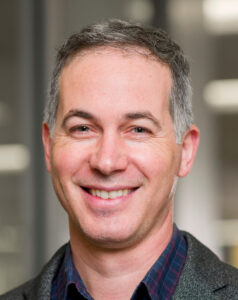
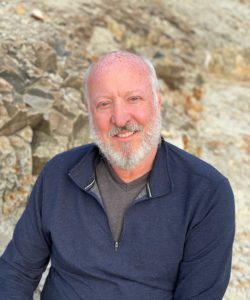
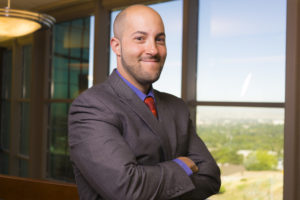
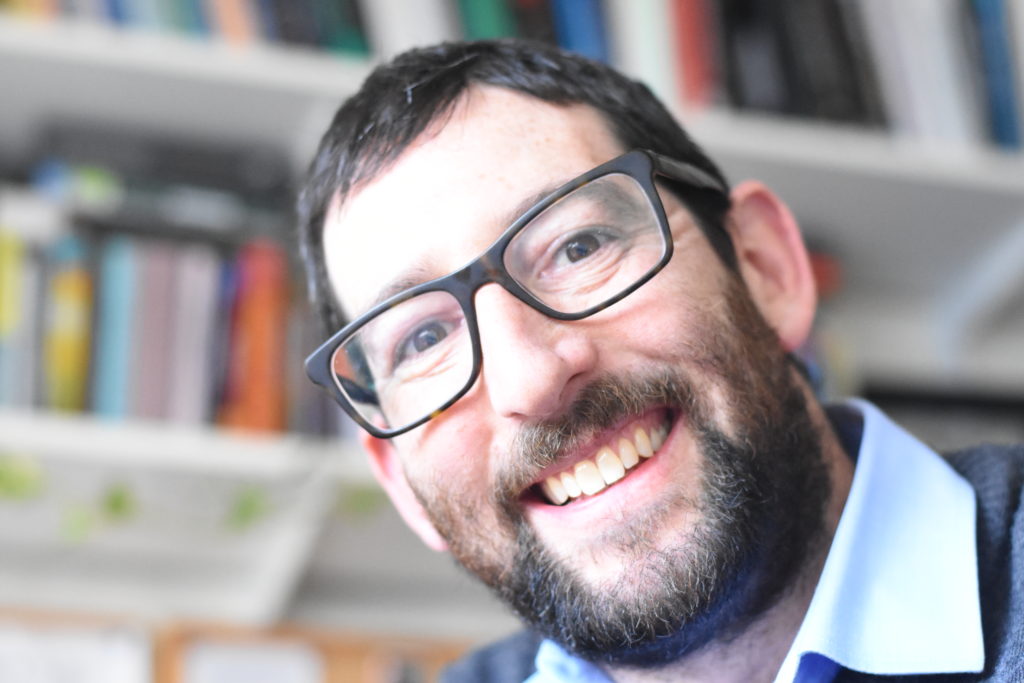
    Dr. David Vago

    David Vago is Research Director of the Osher Center for Integrative Medicine at Vanderbilt University Medical Center. He also maintains an appointment as a research associate in the Functional Neuroimaging Laboratory (FNL), Brigham and Women’s Hospital (BWH), Harvard Medical School. David has previously held the position of Senior Research Coordinator for the Mind & Life Institute and is currently a Mind and Life Fellow, supporting the Mind and Life mission by advising on strategy and programs.
    Can you tell us how you started on the path of a researcher in the science of mindfulness?

    It’s an interesting path. I think anybody who finds themselves investigating the things that they love can easily track the causal chain of events. I go back to my first Vipassana meditation retreat in 1996. I was a junior in college and went on a ten day silent retreat and was blown away by the transformative potential of formal sitting meditation. I was always interested in Buddhist perspectives of mind and took religion classes during my undergraduate years. I studied brain and cognitive sciences as my major but the study of religion was a nice parallel to the neuroscience. Buddhism doesn’t even claim to be a religion but rather a science of mind. Nevertheless, I never thought it would be a topic in science or method for investigating the mind. In fact I went to graduate school for basic neuroscience looking at models of learning and memory. I was focusing on behavioral pharmacology and what kind of neurochemicals in the brain affect how we encode, consolidate, and retrieve information using animal models.

    I have been meditating since 1996 but I never considered that I could incorporate my practice into my science. Then in 2004, I saw a dialogue at MIT between His Holiness the Dalai Lama and great scientists and scholars who led me to discover there was a niche to study the mind in this way. The Mind and Life Institute also had this fellowship as I was just finishing my Ph.D. It was the right time and right place. I received a grant called the Francisco J. Varela Research Award and it was the flagship program of the Mind and Life Institute. It was one the most critical factors in the development of the contemplative neuroscience field. Without that grant program, many scientists would never have started with this research.

    About 150 other scientists have received that award. In a time when scientists are young and growing intellectually, with a little support from mentors, this type of grant funding became a seed for future research. Much of the data to emerge from this program has led to whole programs of research. I used it first to explore methodologically the same thing I was interested in: memory, encoding, learning, emotional regulation, and executive functioning. We looked at those aspects of the mind in the context of chronic pain and how women diagnosed with fibromyalgia process pain-related information.

    After I received that grant, the Mind and Life Institute was looking for a senior scientist. I successfully applied for it and stayed with them for four years as the senior scientist and research coordinator. It put me in contact with amazing people like His Holiness the Dalai Lama, Jon Kabat-Zinn, and Richard Davidson. I felt like that was my niche. It was a causal chain of events that I couldn’t put the brakes on. It became a calling for me. I did have an opportunity to present my research to the Dalai Lama at the Mayo Clinic in Rochester, MN as part of Mind and Life XXV and he thought my models were “quite good”. There were six of us presenting and representing the Varela awardees. His Holiness  pointed his finger at us and said, “You are all responsible for reducing suffering in this world. I’ll be watching…” To hear that from the Dalai Lama was meaningful and I took it to heart and with a deeper commitment to how these practices can be self-transformative. 

    The field of contemplative science and mindfulness research are now approaching a level of precision on both a theoretical and mechanistic account and how it functions. We need to understand how these practices function and how can they best serve certain populations – this is basically my research program for the next 30 years.

    science of mindfulness interview with David Vago
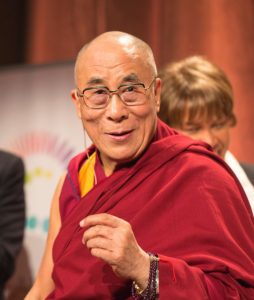
    Tenzin Gyatso – 14th Dalai Lama | Image by Christopher Michel via Flickr

    Do you have a personal mindfulness practice? If so, how does it inform your own scientific inquiry?

    Yes I do. Just like cardiologist who exercises and practices good nutrition, you realize the benefits of what you do. Imagine a cardiologist who was obese and didn’t exercise regularly. You might not trust the insight of his or her medicine. As a meditation practitioner, it gives me more insight into what these practices do, more research ideas, it allows me to check in with myself if I get caught up with the ego-games of academia. It also allows me to be more altruistic in my motives to help others. I see this as a form of service to help others.

    Without a practice I think you can remain objective in the science but you might be blinded by the available tools and methods by which we can explore what mindfulness is doing. For instance, if you didn’t have a practice, you might take one of the eight self-reported measures of mindfulness and use it in your experiment to test if high-trait mindfulness predicts improvement on attention. What you may find is that high scores of trait measure of mindfulness might not result in improvements of attention. Such results certainly have some meaning, but it may not relate to the transformative potential of sitting meditation.

    There is a complexity that is associated with having a practice; it isn’t just a quick fix to common everyday stressors. It’s a life-transformative way of being that can have profound effects on all levels and not just on attention or emotion regulation. There are whole elements of systems that are influenced by these practices that are often missed in research. If you don’t have that practice, you might miss out on the subtleties of the practice. There is also the idea of an ethical transformation that improves our prosocial tendencies or altruistic motives. When we’re talking about why we do these practices, it’s not to sit in the corner with your eyes closed. It’s really about creating a deeper sense of connection. 

    The whole idea behind contemplative practice is that it refers us to a reflective style of cognitive processing that allows us to engage in a deeply meaningful type of action that serves self and others. Broadly speaking, contemplative practice is much more experiential and has the potential to reveal the nature of mind, which can be extrapolated to others. Further down in the practice, you could have deeper insight into the nature of reality and that is much more profound than some of the simple stress-reduction techniques that we’re throwing out there for people with symptoms of anxiety or depression.

    “When we’re talking about why we do these practices, it’s not to sit in the corner with your eyes closed. It’s really about creating a deeper sense of connection.”

    Do you think insight derived from personal contemplative practice could be useful for somebody who is studying the science of mindfulness? Is it enough that you could be a good scientist and still get to the essence of mindfulness as the science defines it?

    I think its’ really important to have perspectives from across disciplines and it’s good that we have scientists who don’t maintain a practice. It might overcome some of the positively-oriented biases that we see. We typically see positive effects but there are lots of null effects that many researchers aren’t reporting. I will say again that having a practice gives a level of insight that improves our questions and research design, especially when it comes to focusing on a neurophenomenological approach. This really combines traditional neuroimaging methods with a first person introspective method. Our Mapping the Meditative Mind Initiative, combines the first-person introspective experience with the third-person neuroscientific method. From this approach we gain more insight into the whole spectrum of experience. The ideal method that we can use to map the meditative mind is combining the first-person perspective, from people who are trained in interrogating that subjective experience, with that third-person perspective using neuroimaging techniques.

    How did you first become involved with the Mind and Life Institute? Why is their work significant?

    It all comes back to the intention of the Dalai Lama. You’ve heard the story about how he was so curious about how things worked when he was young; he took everything apart and rebuilt it. Because of his interest in science, I am doing what I am doing today and we are having this discussion.

    The Mind and Life Institute manifested through Francisco Varela, a cognitive neuroscientist, Adam Engle, a business man, His Holiness the Dalai Lama, and Joan Halifax, a Zen Roshi and medical anthropologist. The confluence of their interests and work generated through the Mind and Life Institute has created this new field called contemplative science where dialogue has remained key. The dialogue on the nature of mind from varied perspectives has caught everyone’s attention. The field needed research to gain traction, and it wasn’t enough that Francisco Varela was doing it; it needed more people. That’s why the Mind and Life Institute created this grant award program after he passed away and the seed funding has contributed to this “mindful” revolution. The seed funding nurtured the field and has allowed researchers to pursue this formally. It’s really been within the last decade that interest and associated research has changed dramatically.

    The concept of ‘mindfulness’ is elusive; what are the challenges of operationalizing what mindfulness is? Should the components derive from contemplative traditions, as described by the Buddhists, for instance, or should they derive from the western definition as described by scientists like Jon Kabat-Zinn?

    I always draw this contrast between the 2500 year old tradition and 30 year-old tradition of Mindfulness-based Stress Reduction. If we put them side by side, there are different goals, different context, and a different process by which mindfulness is practiced. For instance, a self-report measure, which requires no meditation experience, knowledge of Buddhism, or inner reflection, may have some correlation with some behavior. You might get what we call ‘mindfulness induction,’ which might be 10 seconds or less  of paying attention, with the intention, non-judgmentally- you can do that right now.

    What we want to understand is that maybe there is a trajectory of self-development and transformation that happens between 10 seconds of mindfulness induction to 20 years of regular, continued practice. We begin to see the difference between the continuity and the intensity, then we can put that onto the map and understand the nuances of the practice and we can start understanding the mechanisms by which these practices function across contexts and who will best benefit from certain practices.

    One thing we can investigate is the similarities between the traditions. What we see is that the core of these practices is similar. The focused attention on the breath, ‘anapansati’ was the original meditation prescribed by the Buddha, which is a concentration on breath. Other core practices include insight meditation, otherwise known as ‘vipassana’, and non-dual practices that cultivate open awareness. There is also a foundation of cultivating compassion and altruistic motivations, ‘metta’, that is essential in these practices. There are also other elements as well.

    In the Buddhist model, there are specific components including effort, equanimity, clarity, to name a few; mindfulness is only 1 of 7 factors of enlightenment and is one of many factors that is associated with the spiritual path in Buddhism. So you have to put the pieces together- focus attention, open monitoring, and loving-kindness. Not only could we call that a mindfulness-based approach, but we could also say that those are consistent across the MBSR model as well as the 2500 year old Buddhist model that you see in the monastic settings. It’s important to contextualize it. As the science develops, we will see a developmental trajectory, and that will help us better understand the progress by a practitioner and by the particular individual that will benefit with certain amounts of practice. There are benefits to both models; we just have to be clear which model we’re talking about.

    In your latest paper you explore the nuances of mindfulness and mind wandering. You posit that the resting state networks might utilize the same network as mindfulness-based practices. What are the major neurological substrates responsible for these similarities and what are the implications of that?

    This is important. We have to keep in mind that when our mind is at rest, using methods of neuroimaging, we can identify at least 10 different networks in your brain. One of them is called the default mode network that is particularly robust and active during this state. But there are also at least nine other networks that are active during this state, such as attentional networks, a frontoparietal control network, executive control and salience networks, sensory, and language-based networks – all of these are identified during rest. It depends on what the mind is doing while resting. As we know, it fluctuates; it doesn’t come to some still point. It’s always consuming energy and is always active. It has to match the network with the content, the mentation. 

    Most of the research at this point has targeted the Default Mode Network as a network that is associated with self-evaluative thinking and has attributed that to unhappiness, for example. There is data suggesting that when that network is active, the content is negative and can interfere with other tasks. It’s a form of distraction and it is causally linked to distraction. Most of our life we can be consumed with mind-wandering activity. We have to keep in mind that are certain benefits with activation. Some of the primary nodes are consuming more energy than other parts of the brain simply for maintaining continuity with a sense of self in time.

    A great scientist, Tulving, referred to this form of consciousness as ‘autonoetic awareness’, where one creates a sense of self through an automatic process. Without this sense of continuity through time and space, you would have a hard time knowing who you are. There has to be some sort of process that helps knowing who you are and having some link to the past and some direction for the future. And that default mode network is really important for that. It is helpful for creative incubation and planning for the future. 

    Conversely, mindfulness has been attributed to positive things, but there is also a warped sense that mindfulness has to be a present-moment focused. Jon Kabat-Zinn created a definition of mindfulness that was helpful about paying attention, with intention, non-judgmentally in the present moment. It might confuse people because it gives the impression that you should not evaluate the world at all. If you examine the Buddhist model, there is an element that comes together that is paired with mindfulness called ‘samprajaňa’, and in some context, is translated as clear comprehension. It is also described as a form of meta-awareness.

    There is also an element of discernment critical to mindfulness: evaluating the world very rapidly without engaging the world too deeply and getting stuck. The idea is grabbing a concept and holding onto it too closely. This leads to rumination, which may cause suffering. What I’m arguing in this paper is that rapid discernment is critical to mindfulness awareness and if you want to have the benefits of being present-focused, non-judgmental, and have equanimity and sensory clarity, there has to be a very rapid engagement of certain elements of your experience, where you’re evaluative and discerning, then disengaging. 

    By using that framework and using the data out there, both functional brain activity during states of meditation and data on functional connectivity, we can better understand how these networks are interacting with one another. What we see is that it’s not just one network associated with attention that is activated, but rather these networks are flexibly switching between each other and are modulated by one particular network called the frontopartietal control network that allows your mind to be aware of where it is. If it is in the narrative mode, it knows it’s in the narrative. The increased connectivity between the networks allows for more flexible switching between discernment and awareness. 

    My paper argues that in order to understand the benefit of the silent and resting mind, we have to consider the possibility that the default mode network is actually beneficial in helping us with discernment and giving us wisdom. That’s where the field is starting to move towards and that’s what I’m interested in exploring in meditators.

    “…rapid discernment is critical to mindfulness awareness and if you want to have the benefits of being present-focused, non-judgmental, and have equanimity and sensory clarity, there has to be a very rapid engagement of certain elements of your experience, where you’re evaluative and discerning, then disengaging.”

    You mentioned that one of the benefits of mediation is achieving a still point. Could you expand on that?

    The ultimate goal from the Buddhist model is reaching a still point in one’s mind, which is sometimes described as self-transcendence or a non-dual state where there is no distinction between self and others. My experience is no longer mine, but is causally connected and experienced as just one state of pure awareness. Different traditions describe it differently where time and space disappear, but in contemporary settings in sports and music, people might describe this as a “flow state”. 

    All these states are actually very similar to each other in that there is a sense of selflessness. There is no thinker. You’re getting out of the way of yourself in that you’re able to directly do what you set out to do. That state is cultivated through meditation practices and these states aren’t often stable or long lasting, they are ephemeral. 

    These states of selflessness can be considered markers for what have been referred to as ‘awakening’ and experiencing such states may also facilitate joy. In this context, there are elements of what is described as ‘enlightenment’ that we might be able to put under the neuroscientific lens and better understand what subtle and profound states people are experiencing.

    In your life do you think there will ever be distinct neurological signature that characterizes that experience?

    Yes, I think we can characterize it in many ways. The neurophenomenological approach is probably the best way. We have had people who have claimed to have a complete dissolution of self – described in some contemporary Buddhist circles as “cessation”.  We take these people and evaluate these states during a neuroimaging session. The hard part is identifying when it happened. 

    When people indicate that it happened they usually claim it happened retrospectively at the end of the session. We have some temporal markers to determine whether there was a noticeable change at that time. It’s important that we have these temporal markers coupled with the subjective experience. Such a characterization of these experiences can be replicated and any consistencies can then be used as targets for therapeutic purposes. 

    By identifying the mechanisms by which these practices work and the patterns of neurobiological and physiological brain-body interactions, we can identify those patterns and put them on our map and it becomes a therapeutic target or a diagnostic marker, potentially leading to helping other people attain those states with real time feed back.


    science of mindfulness interview with David Vago
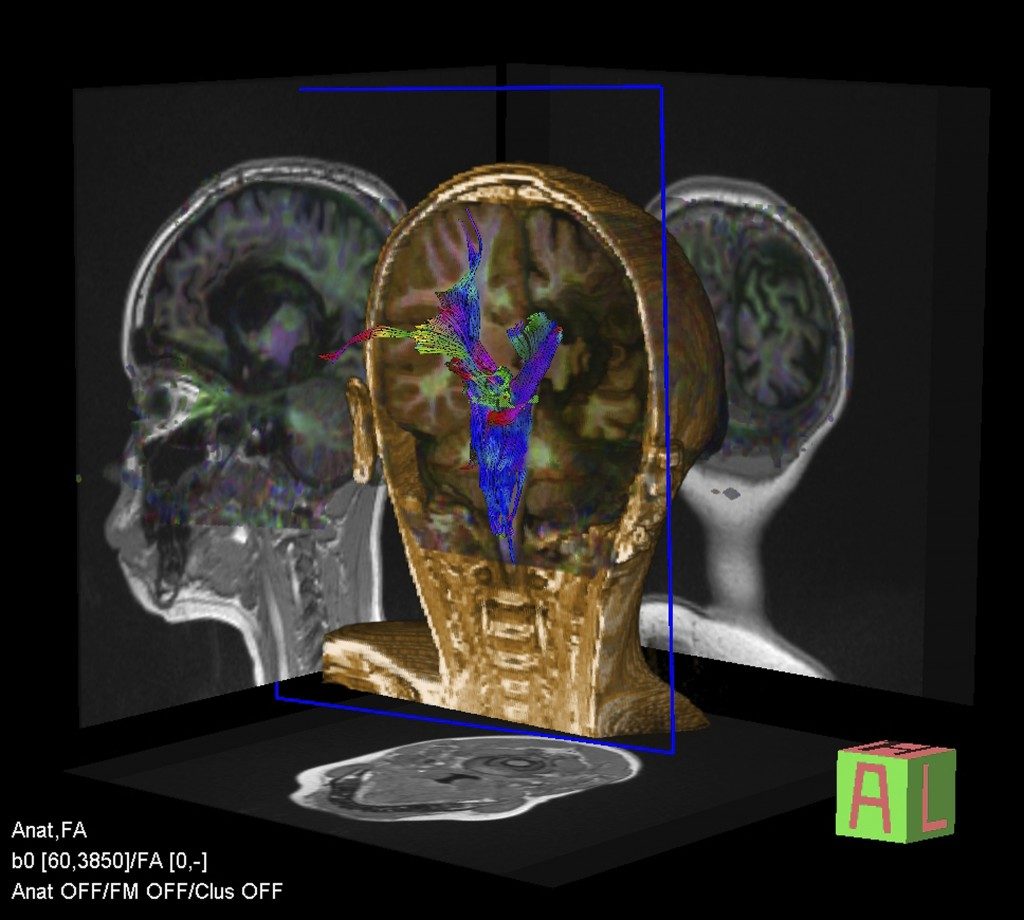
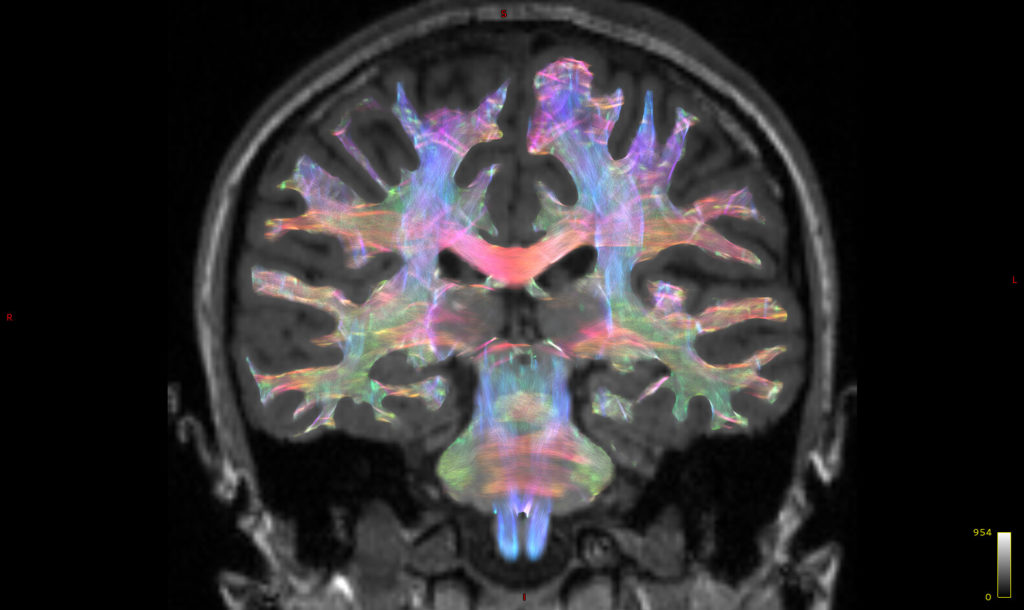
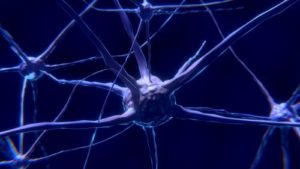
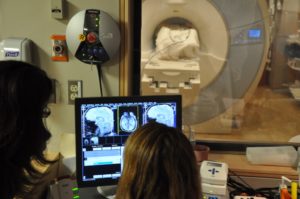
    Brain Scan by Florey Institute via Flickr

    You mention a particular mindfulness system developed by Shinzen Young called “the basic mindfulness system.” It is premised on teaching individuals to note and label any experience in three modalities: visual, auditory, and somatic. How is that depicted on the neuroscientific level and how can that distinction be valuable?

    Shinzen Young’s model is very helpful because it creates an algorithmic approach to the phenomenological experience. In one particular state that Shinzen teaches, you are encouraged to note and label  wherever your mind goes. Shinzen calls it “do nothing,” in the sense that you’re letting your mind goes wherever it wants, but with an open awareness.

    There is the interplay between the mind wandering experience and meditation. In mind wandering, there is no awareness and there is a tendency to have it negatively influence your future behaviors. Conversely, meditation has positive influences on behaviors. But the content of the mind is similar in both. Shinzen’s model allows us to focus on different modalities of noticing. 

    Not only does it allow us to use very specific modalities to see if we can track stable attention in these different modalities, but you can also look at the difference between external focus and internal focus on an object in that modality that is arising. One thing that we are interested in is what characterizes a truly resting mind. It’s not one that is free of wandering, but one that is absent of sensory stimuli.

    During these methods, these practitioners are able to stabilize concentration during the absence of mental objects and it’s something that is typically described as the rising and passing of an object. After it has passed, he calls it “gone”.  Now that the object is gone, is the individual still going to pay attention within the visual domain in which there is an absence of visual stimuli? 

    You can study this interplay by asking where is their mind as they are focusing on different objects. It creates a very nice algorithm. We’re not wedded to any one contemplative tradition but we think that his model is helpful in this particular context. We want to also go across traditions like Judaism, Islam, Christianity, and other traditions that have an element of contemplation or self-transcendence.

    What has been the most rewarding part of being a researcher of mindfulness-based interventions over the years?

    The most rewarding part is being able to come to work every day and loving what I do. I see the value for myself and other people, and I am really trying to take the field forward, really help reduce suffering, and improve the human condition. I see that as incredibly valuable and it feels good to do that for others.

    What does the future of the science hold? What more is there to learn?

    The technology will be the ultimate factor that determines how this field progresses. We’re limited by methods that allow us to understand the brain-mind-body connection. The model itself is going to be the same: how do you achieve enlightenment, how do you improve awareness, regulation, transcendence- how does this all happen? How we map it out better will be determined by technology. And because we’re so technologically driven as a society, it’s in inevitable that devices like phones will be part of our integration and development of mind-body awareness. 

    That being said, I think that even within 5-10 years, I think it’s safe to say that we’ll have different biosensors that give us more physiological feedback and insight indicating our states of mind and body. This will allow us to check in and examine the elements of physiology that are bad to us and regulate those elements more effectively. We’re going to have these elements of mindfulness in every sector of society, whether its education, workplace, health: it’s all about improving our awareness about what our mind and body are doing. 

    These models are going to help us improve the human condition across various domains. We already see it happening now, there are many books, and new mindfulness educational curriculum being developed, but we’re still in the infancy of the science. We still have a long way to go.

    Is there anything I haven’t asked you that you would like to share?

    One thing that we focus on is brain networks and their patterns and matching that with phenomenology. Another thing is dealing with all the hype out there. That’s one of the problems to raise awareness to.  There is so much information that comes from media that often says mindfulness can cure everything.  We have to be wary that it can’t cure everything. At this point, there isn’t enough data to show that mindfulness can even improve attention. It’s very weak in the literature. That should give us a sliver of skepticism, but a healthy dose of it in the sense that the science is still new and we’re trying to still demonstrate the benefits and identify which populations will benefit from meditation and which will not. We have a long way to go. Some of the findings are certainly exciting but we have to approach it cautiously, and be cautiously optimistic about it. We cannot forget that this is a young science and we still have a lot to learn.


    Enjoy? Share with your friends

    Picture of Michael Juberg

    Michael Juberg

    Michael is the Founder & Chief Editor of the Science of Mindfulness.

    Related Posts

    science of mindfulness- linda carlson

    Interview with Dr. Linda Carlson

    Dr. Linda Carlson holds the Enbridge Research Chair in Psychosocial Oncology, is Full Professor in Psychosocial Oncology in the Department of Oncology, Cumming School of Medicine at the University of Calgary, and Adjunct Professor in the Department of Psychology.

    Read More »
    Trait Mindfulness and Relationship Satisfaction: The Role of Forgiveness Among Couples

    Trait Mindfulness and Relationship Satisfaction: The Role of Forgiveness Among Couples (Roberts et al., 2020)

    The researchers were interested in understanding if forgiveness acts as a mechanism by which mindfulness relates to relationship satisfaction. They speculated that being mindful would allow individuals to be aware of their own and their partners’ emotions in a non-judgmental and non-reactive way. The increased awareness would make people more forgiving of partner transgressions, thereby enhancing relationship satisfaction.

    Read More »

    Interview with Dr. Erin Bantum

    My work, over the past fifteen years has had a core theme of social support running through it, and I’d like to create an online mindfulness meditation intervention that includes a group component, such that people who have experienced cancer can meet and practice mindfulness meditation together.
    Read More »

    Interview with Dr. Amy Brown

    I didn’t want them to needlessly struggle and suffer as much as I did, and mindfulness is one of those tools that definitely helps us all during this time. I’m helping them in the way that I wish I would have been helped.

    Read More »

    Interview with Dr. Thao Le

    Ultimately, my intention is for it to be a service space to help students, faculty, staff, or anyone from the community to connect with themselves. Don’t we all need to pause?
    Read More »

    Interview with Blake Colaianne

    Blake Colaianne is a former Earth science teacher turned contemplative researcher. He is currently a Ph.D. Candidate in Human Development and Family Studies at Penn State University. His research focuses on supporting adolescent development using both a culture of belonging in high schools and prevention and promotion programs that teach mindfulness and compassion skills.
    Read More »

    Interview with Dr. Juan Rios

    “Whether you call it liberation, theology, transformative justice, mindfulness- we cannot separate those components of practice, all of those things are integrated. Integration brings peace, and peace within is key to embracing the other.”

    Read More »
    THE EMOTION REGULATORY MECHANISMS OF BRIEF OPEN MONITORING MEDITATION

    An electrophysiological investigation on the emotion regulatory mechanisms of brief open monitoring meditation in novice non-meditators (Lin et al., 2020)

    Despite growing knowledge that mindfulness meditation can enhance emotional wellbeing, very little is known about how it all works. How exactly does the act of meditation help us deal with the emotional rollercoaster of everyday life? Is mindfulness training actually “transferrable” to real world situations? What’s going on in the brain? Can we even measure it?
    Read More »

    Interview with Grant Jones

    Grant Jones (he/him) is an artist, contemplative, researcher, and activist. Currently, he is a 3rd Year Clinical Psychology PhD candidate at Harvard University and Co-Founder of The Black Lotus Collective.

    Read More »

    Interview with Dr. Helen Weng

    Dr. Helen Weng is a clinical psychologist and neuroscientist who originally joined the Osher Center for Integrative Medicine in 2014 as a postdoctoral scholar in the Training in Research in Integrative Medicine (TRIM) fellowship. She is developing new ways to quantify meditation skills using functional magnetic resonance imaging (fMRI) and machine learning to identify mental states of body awareness during meditation.

    Read More »

    Interview with Dr. Eric Garland

    Dr. Eric Garland, PhD, LCSW is Presidential Scholar, Associate Dean for Research, and Professor in the University of Utah College of Social Work, Director of the Center on Mindfulness and Integrative Health Intervention Development (C-MIIND), and Associate Director of Integrative Medicine in Supportive Oncology and Survivorship at the Huntsman Cancer Institute.
    Read More »
  • Interview with Dr. Jeff Brantley

    Interview with Dr. Jeff Brantley

    Interview with
    Dr. Jeff Brantley

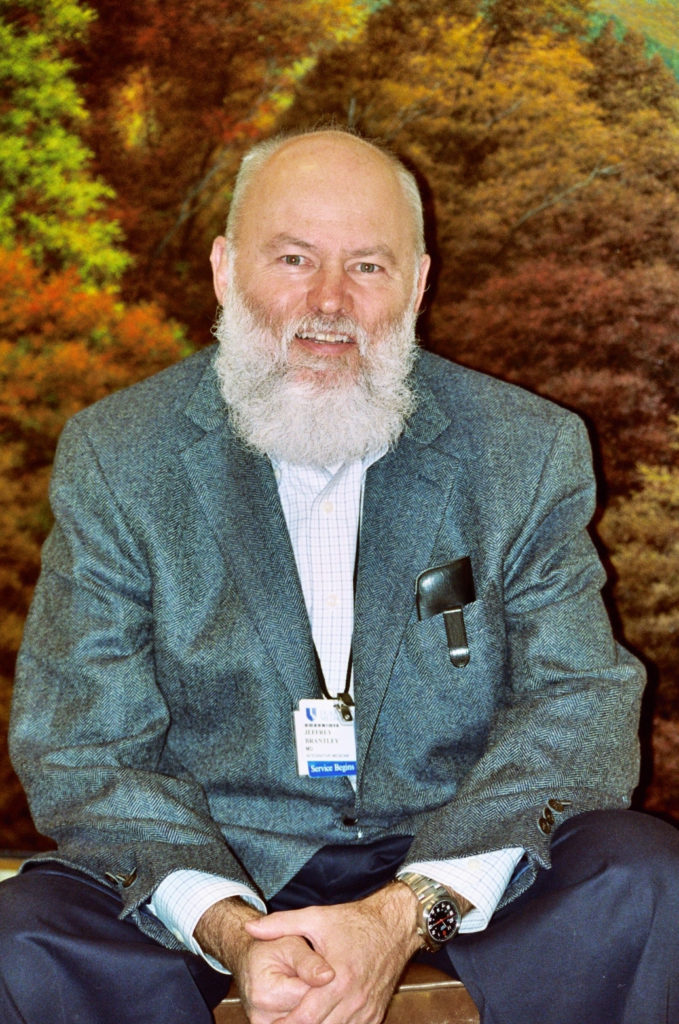
    Dr. Jeff Brantley

    Jeffrey Brantley, MD, is one of the founding faculty members of Duke Integrative Medicine, where he started the Mindfulness-Based Stress Reduction program in 1998.  He served as a member of The Community of Scholars of the Center for Spirituality, Theology, and Health at Duke University for academic years 2009 and 2010. Dr. Brantley is the author of Calming Your Anxious Mind:  How Mindfulness and Compassion can free you from Anxiety, Fear, and Panic and is the co-author with Wendy Millstine of the Five Good Minutes series, Daily Meditations for Calming Your Anxious Mind;  and True Belonging:  Mindful Practices to Help you Overcome Loneliness, Connect with others & Cultivate Happiness.

    How did you develop an interest in mindfulness?

    I had a lot of good fortune when I think about that. I was a psychiatry resident at Irvine in 1979 and one of our faculty there, Roger Walsh, M.D., Ph.D., was offering a course in transpersonal psychology. He was my first mindfulness teacher; he held seminars on mindfulness and taught us some basic meditation techniques. It hit home right away to stop, notice, and be present. Back then, I didn’t really have the language to know exactly what was going on but I knew that it was a really good thing. I valued growth and self-awareness because of my training in psychotherapy and my own participation as a patient in a psychotherapy group. I came to appreciate the value of the inner life. To have an actual contemplative practice that illuminated that was very helpful.

    Could you tell us briefly what is MBSR

    MBSR is shorthand for Mindfulness-Based Stress Reduction, which is an educational training that helps people bring mindfulness forward in their life in service of their health and well-being. It was the first mindfulness-based health intervention developed in the Western world by Jon Kabat-Zinn at UMass Medical Center. Jon Kabat-Zinn was a student of Zen and he began to observe the great amount of suffering and pain in both the patients and the staff while he was working at the hospital.  He found a way to approach that suffering from the framework of stress in Western medicine. His insights led to a creation of a model that teaches people mindfulness; mindfulness of breath, body, emotions and their contexts. The model trains people in several techniques of mindfulness over an 8- week period in order to help people understand how much each of us contribute to the alarm and stress that we experience in so many situations.

    What types of populations enroll in MBSR?

    It’s an educational model so it’s open to anyone who wants to manage their own stress and well-being. In my experience, participants are as young at eighteen and there is no upper limit, as long as the person is physically and mentally capable enough to participate. I’ve had people in their nineties take the class, although the typical range include people in their 20’s-60’s. Although there are many mindfulness-based therapies that are derived from the MBSR model, MBSR itself is an educational experience. People come for all kinds of reasons. Some participants are healthy and some have terminal illnesses, but most are somewhere in between.

    What are the benefits that MBSR participants report?

    In the early days of MBSR, people would self-report more peacefulness, better sleep, less pain interruption in their life, and improvements in relationships. In recent years, the research has detailed more of the benefits of the practice. Currently, researchers find subjective reports of improvements in a variety of stress-related factors like anxiety, depression, anger, distress, and stress as well as objective physiological changes in people who practice. For instance, research now studies the how certain brain waves change as a result of practice and how those changes reflect states of their subjective experience. Also, new research demonstrates changes in gene-expression in meditators, notably in telomeres and telomerase, and the degradation of the chromosomes; there might be positive impact in meditation in the enzyme that reduces the degradation. Other exciting research examines the positive impact of gene-expression on inflammation, the improvements in cortisol response to stress, and other biological stress markers. There are biological changes now linked with subjective reports of well-being.

    science of mindfulness interview with Jeff Brantley
    Photo by Kelvin Valerio from Pexels

    Are the benefits uniform for everybody, or do some people derive more benefits than others? If so, what accounts for that?

    That’s the million dollar question! According to what I can tell from the meta-analysis and the conversations with professional researchers, there is data that suggest that mindfulness practices offer a host of benefits. That doesn’t mean that everyone who practices experience the same degree of improvement. Some people don’t participant as thoroughly- people have to do the meditation. Like exercise, those who don’t practice as much won’t have the same degree of benefit.

    It’s not as simple as that though, there’s an interesting dimension being studied, referred to as trait mindfulness- how much natural awareness people have. According to psychologists, the amount of trait mindfulness varies with people. Some people are more awake, alert, and present than others are. So if someone like that participates in the MBSR class, they already score so high on the mindfulness trait scales that it doesn’t look like they gain much mindfulness from the course. However, they might gain an understanding in terms of being able to manage their stress better and give language to the experience. The measures might not show a significant shift.  It wouldn’t be because they didn’t practice, but because they already started with a high degree of trait mindfulness. It’s a complex question.

    Are there any participants that find MBSR too difficult to complete? What are some of the challenges that they face?

    Again, it’s complicated. Some people aren’t ready for the personal commitment. We ask them to meditate up to an hour a day and many people are just so busy that they can’t find the time. But if people find even half an hour to practice informally, they can benefit. One of the red flags that we screen for in our program is substance abuse; if someone is managing their pain with drugs, and they might be high some of the time, they need to get sober before they can be fully engage with the course. The question becomes whether people aren’t finding time to practice because they are too busy, or if they really are practicing but their consciousness is impaired. In other instances, if people have poorly managed mental illness, such as mania, they may not be able to manage the type of discipline. They would have to get that under control first in order to have optimal success in the class.

    As a teacher of MBSR, would you ever advise a struggling participant to drop out or would you encourage them to continue?

    It’s a case by case issue. I would advise against continuing if the participant was too sick. I had a client who was hospitalized and wasn’t feeling well when he returned. He missed a few sessions and we encouraged him to get well and come back when he was physically able. So medical, psychological, and also family issues might interfere with a participant’s full engagement with the class.  If these issues disrupt their personal exploration and practice, we would recommend that they resolve that before returning to us.

    In recent years there has been more scientific evidence in support for the health benefits of mindfulness-based interventions.  How can we increase knowledge of these mindfulness-based interventions among more traditional medical providers?

    That’s another million dollar question! The history of the science of mindfulness, as I see it, hasn’t been centralized on a certain population in a certain context. It’s not like the focus on cancer where the problem is substantially funded. Within medical specialties and groups, their own leaderships and associations have the responsibilities to keep up with trends. There is more coverage now- trainings, conferences, journals- it might be a slow process, but now there’s more penetration now than ever. For example, one of my medical school classmates has been a practicing physician for 40 years but was generally unaware of mindfulness. He heard things about mindfulness but it was never clear. More evidence-based research will be needed to demonstrate its application to more clinical populations and in more contexts.

    Can you give me any example of a research study that is making mindfulness more accessible to medical populations?

    I’ve been involved with an interesting study at Duke University in which family medicine providers are testing a model called ‘Shared Medical Appointments’, where patients with the same basic diagnosis  are treated together in a group. You combine the time allocated to each single patient for a more comprehensive session with all patients together at the same time. The advantage of that is that providers don’t repeat the same information each time and also they can deliver the pertinent information in the first half of the session. With the rest of the time, they can devote more attention other questions the patients might have.

    This study is an R34 grant to study a mindfulness-based training in a ‘Shared Medical Appointment’ model for obese Type 2 diabetic patients. This is a great example of creative solutions on the clinical side. They have pilot data that shows that the patients and the doctors were receptive to the format; everyone felt they had plenty of time with their doctors, they could talk and communicate better, and they were able to learn techniques in stress reduction. There were very positive outcome in the pilot data.

    What has been the most rewarding part of being a teacher of mindfulness over the years?

    Similar to what drew me into medicine in the first place, I think the most rewarding part is trying to have some sort of impact on helping people reduce their suffering and become healthier and happier. I try to encourage people to practice mindfulness and support them to work with what’s happening. What I find most rewarding is just to see how people change when they let mindfulness into their lives, the beautiful stories. Some of it is what they were hoping for- maybe their blood pressure goes down, maybe they sleep better- but so much of the beauty of it are things they never even imagined; maybe they communicate better with their children, or perhaps they discover something about being alive that they haven’t really expected because they haven’t been paying close attention, like the beauty of their garden. It’s that sense of wonder, ease, and joy that turn on in people- that’s one of the sweetest pieces of it!

    science of mindfulness interview with Jeff Brantley
    Photo by Oluremi Adebayo from Pexels

    “…Deepen your own personal practice the best you can, including retreats and personal practice. Let that guide you.”

    What does the future hold for the science? What more is there to learn?

    There is a lot to be learned about gene-expression and how the mind body interfaces at that level, as well as brain function. We know the brain shifts its pattern activity and even its morphology, depending on how we use our brain. So we also know that contemplative practices, like mindfulness meditation, can direct the brain to function in certain patterns and activity. There’s a lot to learn about the patterns of connectivity and also understanding the translation of the objectives measures of brain function into subjective experience. I think from a scientific and neuropsychological view, those are exciting prospects.

    We now have a firm understanding of the mind without the technical blueprint of brain function. And that understanding of course is the teachings of the Buddha, the Buddhadharma, the Four Noble Truths, the Satipatthana Sutta, and the foundations of mindfulness. If you look at those things closely, there’s a great deal of explanation about things like feeling, thinking, and sense of self. But where Western science is excelling is studying the actual functional activity of the mind and the body and how that translates into the moment-by-moment subjective experience of life.

    Any advice to aspiring scientists or new practitioners getting into mindfulness?

    The advice is the same I heard years ago: deepen your own personal practice the best you can, including retreats and personal practice. Let that guide you.

    Mindfulness is not really about ideas; it’s about observed, direct experience. The ideas and thoughts that we have about those direct experiences, and how the world understands that, follow from our own direct observations. So personal practice!

    Is there anything else that I haven’t asked you related to work or in general that you would like to share?

    I always try to point to the heartful quality related to the mindfulness work. In other words, people know mindfulness is non-judging, present-moment awareness, which in English can sound pretty cold. For those of us who teach mindfulness, the experience that most of us point to is the heartful quality. The warm-hearted acceptance, the willingness to receive and allow the experience and to welcome whatever experience arises. In fact, in some Asian cultures, when talking about the mind, they point to what we would call the heart. There’s a wholesome quality, a dimension to this noticing that is not really about ideas and in the physical head; it’s about a willingness to embrace and include experience without judgment. That really is a heart-based attitude.

    “There’s a wholesome quality, a dimension to this noticing that is not really about ideas and in the physical head; it’s about a willingness to embrace and include experience without judgment.”

    You can read find more of Dr. Jeffrey Brantely’s teaching in his latest book.

    Trying to control your anxious thoughts can backfire, making them more prevalent, not less. The best way to calm these common feelings is by attuning yourself to your thoughts in a nonjudgmental, attentive manner, acknowledging your anxieties but choosing to act rather than react.

    From the author of Calming Your Anxious Mind comes Daily Mediations for Calming Your Anxious Mind, a collection of more than sixty-four daily mindfulness-based meditations to help you engage with the present moment, manage stress and anxiety, and rediscover the joy in living. Each meditation contains an easy-to-learn visualization exercise, affirmation, or activity, with meditations grouped into four sections: relaxing and feeling safe, embracing joys and fears, befriending your anxious mind and body, and connecting to the web of life.

    Enjoy? Share with your friends

    Picture of Michael Juberg

    Michael Juberg

    Michael is the Founder & Chief Editor of the Science of Mindfulness.

    Related Posts

    Trait Mindfulness and Relationship Satisfaction: The Role of Forgiveness Among Couples

    Trait Mindfulness and Relationship Satisfaction: The Role of Forgiveness Among Couples (Roberts et al., 2020)

    The researchers were interested in understanding if forgiveness acts as a mechanism by which mindfulness relates to relationship satisfaction. They speculated that being mindful would allow individuals to be aware of their own and their partners’ emotions in a non-judgmental and non-reactive way. The increased awareness would make people more forgiving of partner transgressions, thereby enhancing relationship satisfaction.

    Read More »
    THE EMOTION REGULATORY MECHANISMS OF BRIEF OPEN MONITORING MEDITATION

    An electrophysiological investigation on the emotion regulatory mechanisms of brief open monitoring meditation in novice non-meditators (Lin et al., 2020)

    Despite growing knowledge that mindfulness meditation can enhance emotional wellbeing, very little is known about how it all works. How exactly does the act of meditation help us deal with the emotional rollercoaster of everyday life? Is mindfulness training actually “transferrable” to real world situations? What’s going on in the brain? Can we even measure it?

    Read More »