
Investigating the effects and efficacy of self-compassion intervention on generalized anxiety disorders
Do you remember the dread of presenting in front of a crowd, or does even the thought make you uneasy? For some, anxiety is a

Exploring the Link between Athletic Identity, Self-compassion, Communication, and Mental Toughness of Table Tennis Student-Athletes
“Self-compassion emerged as a crucial factor for mental toughness. Athletes who treated themselves with kindness and understanding were more confident, resilient, and capable of coping

How Mindfulness and Self-Compassion Interventions are used for Trauma
“These results highlight that trauma-sensitive interventions could be combined with mindfulness and self-compassion interventions to address the unique presenting clinical problems of those who experienced

Exploring the Relationship Between Self-Compassion and Compassion for Others: The Role of Psychological Distress and Wellbeing
“The findings do support existing theories that link self-compassion to the ability to receive compassion from others, which is often fostered through secure attachment relationships.

humane Education: Building Pre-Adolescent’s Empathy and Compassion Towards Animals in The Indian Context
This study investigates the impact of humane education on fostering empathy and compassion towards animals within the Indian adolescent population. It addresses the escalating concerns

Emerging Adult Life Satisfaction and Mental Health: The Mediating Role of Self-Compassion and Social Support
“Fostering self-compassion and building strong support systems empowers educators and counselors to guide students through mental distress, enhancing their well-being and resilience.” This study investigated

Exploring the Role of Self-Compassion in Reducing Depression from Ostracism in Teens
“Even if they felt excluded, those who had greater levels of self-compassion exhibited less depression because they tended to use positive coping mechanisms. “
The predictive roles of self-compassion, mental toughness and emotional-psychological well-being on aggressive behaviors of adolescents at low socio-economic level
The study also highlighted how emotional well-being and self-compassion act as mediators, bridging the gap between mental toughness and aggression to strengthen the protective impact of mental toughness against aggression.

Exploring the Connection Between Self-Compassion, Forgiveness, and Well-Being in Older Adults (Goel & Appachu, 2024)
The research highlights the importance to encourage self-compassion and forgiveness to improve older people’s mental health

The impact of loneliness on sleep quality in adolescents: a moderated chain mediation model (Yang et al., 2024)
Recent studies investigating the relationship between loneliness and poor sleep quality in teenagers discovered a significant correlation between higher loneliness and poorer sleep quality.

Cultural Appropriation of Mindfulness
“Unfortunately, today’s Western mindfulness practice often gets translated into an individualistic technique that is highly outcome-oriented.”

African American Mindfulness Researchers Make Vital Contributions
The growing recognition of transdisciplinarity’s powerful nature offers researchers valuable opportunities for collaboration

Moving Beyond the Headlines
Does the scientific content that we read always mean what it claims?

The Clark Unitive Effect: Bridging the ‘Valley of Death’ from Research to Practice
The growing recognition of transdisciplinarity’s powerful nature offers researchers valuable opportunities for collaboration
What is Mindfulness-based Resilience Training (MBRT)?
Also known as MBRT, this intervention helps first responders navigate their work more mindfully

Oppositional Cultural Practice®: OWN IT! FEEL IT! LIVE IT! LOVE IT!
Mindfulness practices like critical analysis can reveal the mental formations behind these tools.

Interview with Dr. Linda Carlson
Dr. Linda Carlson holds the Enbridge Research Chair in Psychosocial Oncology, is Full Professor in Psychosocial Oncology in the Department of Oncology, Cumming School of Medicine at the University of Calgary, and Adjunct Professor in the Department of Psychology.

Mediating Mindfulness-Based Interventions with Virtual Reality in Non-Clinical Populations: The State-of-the-Art (Failla et al., 2022)
By providing an immersive, engrossing, and controlled visual and auditory experience in which participants can practice mindfulness techniques, Virtual Reality (VR) systems can create immersive, ecologically valid, first-person experiences that can even tap into physiological reactions that align with real-world experiences.

Trait Mindfulness and Relationship Satisfaction: The Role of Forgiveness Among Couples (Roberts et al., 2020)
The researchers were interested in understanding if forgiveness acts as a mechanism by which mindfulness relates to relationship satisfaction. They speculated that being mindful would allow individuals to be aware of their own and their partners’ emotions in a non-judgmental and non-reactive way. The increased awareness would make people more forgiving of partner transgressions, thereby enhancing relationship satisfaction.

Exploring the Nexus between Mindfulness, Gratitude and Wellbeing Among Youth with the Mediating Role of Hopefulness: A South Asian Perspective (Ali et al., 2022)
Emerging studies are highlighting the effectiveness of mindfulness, gratitude and hopefulness as positive psychological tools in helping people cope with anxiety and stress. These practices have also been considered beneficial in enhancing psychological health and well-being.

Interview with Dr. Sahib Khalsa
Dr. Khalsa is currently the Director of Clinical Operations at the Laureate Institute for Brain Research.
Interview with Dr. Christopher Germer
“…when mindfulness and self-compassion are in full bloom, they are nearly identical in a moment of suffering.”

What is Mindful Self-Compassion (MSC)?
Also known as MSC, this intervention teaches people to care for themselves as much as they care for others.
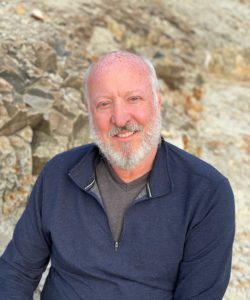
Interview with Dr. Steven Hickman
Self-compassion actually allows us to sustain our compassion for others because we’re being compassionate to ourselves as well.
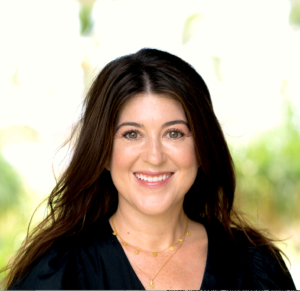
Interview with Dr. Erin Bantum
My work, over the past fifteen years has had a core theme of social support running through it, and I’d like to create an online mindfulness meditation intervention that includes a group component, such that people who have experienced cancer can meet and practice mindfulness meditation together.
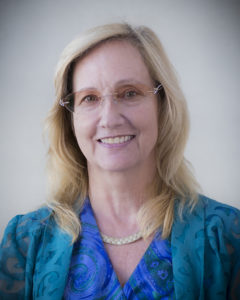
Interview with Dr. Amy Brown
I didn’t want them to needlessly struggle and suffer as much as I did, and mindfulness is one of those tools that definitely helps us all during this time. I’m helping them in the way that I wish I would have been helped.

Interview with Dr. Thao Le
Ultimately, my intention is for it to be a service space to help students, faculty, staff, or anyone from the community to connect with themselves. Don’t we all need to pause?

The challenges of bringing mindfulness into schools
After nearly three decades, a ban prohibiting public schools to offer yoga as an elective for grades K-12 has been overturned in Alabama.
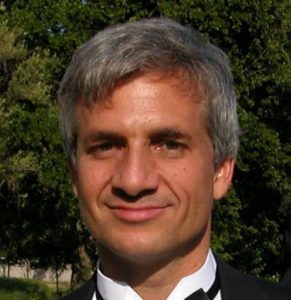
Interview with Dr. Philippe Goldin
Philippe Goldin, Ph.D. is an Associate Professor at UC Davis and leads the Clinically Applied Affective Neuroscience Laboratory.
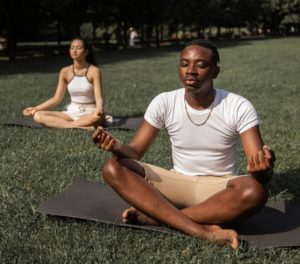
What is Mindfulness-Based Stress Reduction (MBSR)?
Mindfulness-based stress reduction, also known as MBSR, is an 8-week evidence-based group program that teaches participants how to cope with their pain and stress using mindfulness meditation and Hatha yoga techniques.

What is Mindfulness-Based Cognitive Therapy (MBCT)?
Mindfulness-based cognitive therapy, also known as MBCT, is a group-based treatment program … developed to prevent relapse in clinical populations with recurrent major depressive disorder (MDD).
Interview with Blake Colaianne
Blake Colaianne is a former Earth science teacher turned contemplative researcher. He is currently a Ph.D. Candidate in Human Development and Family Studies at Penn State University. His research focuses on supporting adolescent development using both a culture of belonging in high schools and prevention and promotion programs that teach mindfulness and compassion skills.

What is Mindfulness-Based Stress Reduction for Teens (MBSR-T)?
The MBSR-T program (also known as the Stressed Teens program) was created in 2004 by Gina M. Biegel, MA, LMFT

What is Mindfulness?
Rather than proposing a single definition, mindfulness might be better understood in relation to the phenomenology of the various contemplative traditions and practices that intend to develop mindfulness.

What is the Present Moment? Some Warnings about Hanging out in it, and a New Scientific Theory of Meditation
Ruben Laukkonen is a cognitive neuroscientist at the VU University of Amsterdam. His research focuses on sudden insight experiences and the effects of intensive meditation on the mind and brain. Using a combination of neuroimaging, machine learning, and neuro-phenomenology, Ruben is investigating some of the most rare states of consciousness accessible to human beings. He has published articles in leading journals, given talks at prestigious conferences, and has written on topics that range from artificial intelligence to psychedelics. Ruben has an eclectic contemplative background, including different meditation traditions such as Zen, Advaita, and Theravada.
Interview with Michael Tumminia
Michael J. Tumminia is an avid meditator, researcher, and runner. He is currently a 3rd Year Applied Developmental Psychology PhD candidate at the University of Pittsburgh.

Your Brain is also Part of Your Body: Contextual and Contemplative Approaches in Physical Illness
Despite significant advances in the field of psychology due to increased research … the usual care of people with chronic medical conditions still often neglects the psychological issues associated with the physical dimension of the disease.
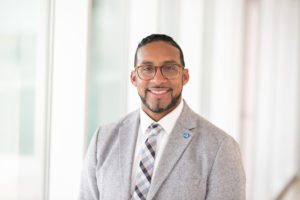
Interview with Dr. Juan Rios
“Whether you call it liberation, theology, transformative justice, mindfulness- we cannot separate those components of practice, all of those things are integrated. Integration brings peace, and peace within is key to embracing the other.”
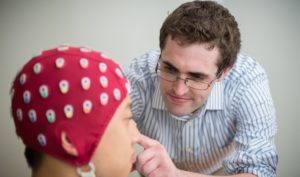
An electrophysiological investigation on the emotion regulatory mechanisms of brief open monitoring meditation in novice non-meditators (Lin et al., 2020)
Despite growing knowledge that mindfulness meditation can enhance emotional wellbeing, very little is known about how it all works. How exactly does the act of meditation help us deal with the emotional rollercoaster of everyday life? Is mindfulness training actually “transferrable” to real world situations? What’s going on in the brain? Can we even measure it?
Interview with Grant Jones
Grant Jones (he/him) is an artist, contemplative, researcher, and activist. Currently, he is a 3rd Year Clinical Psychology PhD candidate at Harvard University and Co-Founder of The Black Lotus Collective.
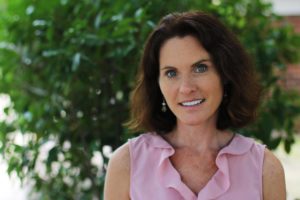
The Power of Their Own Breath
“We focus on concentration,” Jones says. “So rather than sharpening your focus, which is what happens when you get anxious, the goal is to relax your focus.” The ability to utilize your breath to calm your nervous system is the first step to teaching mindfulness.
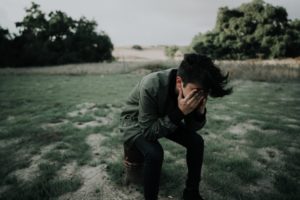
Self-compassion, quiet self, and the brain (Liu et al., 2020)
How does self-compassion protect depressed adolescents? Quieting the self may be the key.

When Less is More: Mindfulness Predicts Adaptive Affective Responding to Rejection via Reduced Prefrontal Recruitment (Martelli et al., 2018)
A study led by Alexandra Martelli investigated whether more mindful individuals (based on self-report measure scores) would respond to social rejection with less distress and if certain neurological mechanisms in the brain’s prefrontal cortex can potentially explain the role of mindfulness in reduced social distress.
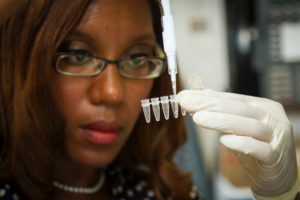
Brief mindfulness session improves mood and increases salivary oxytocin in psychology students (Bellosta-Batalla et al., 2020)
A research team from Valencia, Spain recently investigated the effects of a brief mindfulness-based intervention on both mood and biological markers on a sample of health professional students.
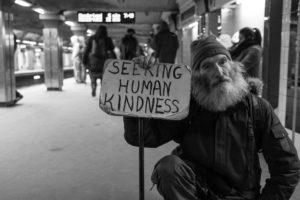
Neurophysiological and behavioural markers of compassion (Kim et al., 2020)
A new study by Kim and colleagues explored how compassion-based training can affect two self-regulatory styles and its relationship to neural, physiological, and behavioral responses.

Interview with Dr. Ilana Nankin – Breathe For Change
Dr. Ilana Nankin—the Founder & CEO of Breathe For Change—is an award-winning entrepreneur, teacher educator, and former San Francisco pre-k teacher committed to using wellness as a vehicle for healing and social change.

Yoga and Mindfulness as a Tool for Influencing Affectivity, Anxiety, Mental Health, and Stress among Healthcare Workers: Results of a Single-Arm Clinical Trial (Torre et al., 2020)
Torre and colleagues recruited 70 HCWs from two hospitals in Rome, Italy for a 4-week course in yoga and mindfulness.
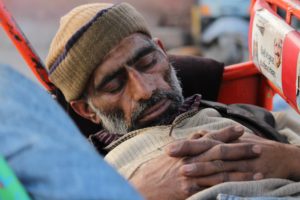
Mindfulness Buffers the Impact of COVID-19 Outbreak Information on Sleep Duration (Zheng et al., 2020)
A team of researchers based in the perceived epicenter of the virus, Wuhan, China, recently tested whether a brief mindfulness intervention delivered through an app could be effective for reducing anxiety and protecting nightly sleep during the unfolding pandemic.

Intrapsychic Correlates of Professional Quality of Life: Mindfulness, Empathy, and Emotional Separation. (Thomas & Otis, 2010).
Mindfulness practices can enhance a therapist’s ability to intentionally and flexibly regulate attention as well as emotional reactivity which has been demonstrated to influence burnout.
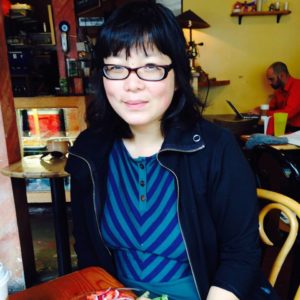
Interview with Dr. Helen Weng
Dr. Helen Weng is a clinical psychologist and neuroscientist who originally joined the Osher Center for Integrative Medicine in 2014 as a postdoctoral scholar in the Training in Research in Integrative Medicine (TRIM) fellowship. She is developing new ways to quantify meditation skills using functional magnetic resonance imaging (fMRI) and machine learning to identify mental states of body awareness during meditation.

Physician Anxiety and Burnout: Symptom Correlates and a Prospective Pilot Study of App-Delivered Mindfulness Training (Roy et al., 2020)
A new study investigated whether a brief mindfulness training designed to reduce physician burnout could be delivered through a smartphone app.

Interview with Dr. Eric Garland
Dr. Eric Garland, PhD, LCSW is Presidential Scholar, Associate Dean for Research, and Professor in the University of Utah College of Social Work, Director of the Center on Mindfulness and Integrative Health Intervention Development (C-MIIND), and Associate Director of Integrative Medicine in Supportive Oncology and Survivorship at the Huntsman Cancer Institute.
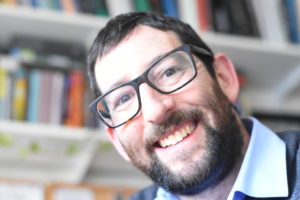
Interview with Dr. David Vago
David Vago is Research Director of the Osher Center for Integrative Medicine at Vanderbilt University Medical Center.
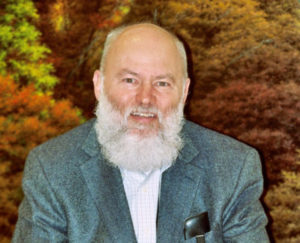
Interview with Dr. Jeff Brantley
Jeffrey Brantley, MD, is one of the founding faculty members of Duke Integrative Medicine, where he started the Mindfulness-Based Stress Reduction program in 1998.
Role of Yoga and Mindfulness in Severe Mental Illnesses: A Narrative Review (Sathyanarayan et al., 2019)
The current study reviewed the wider scientific literature for the role of yoga and mindfulness interventions in the treatment of severe mental illness.

A Randomized Controlled Trial Examining the Effect of Mindfulness Meditation on Working Memory Capacity in Adolescents (Quach et al., 2015)
The amount of research involving mindfulness interventions has grown exponentially; however, only in the last decade has mindfulness research involving adolescents rapidly increased.

The Differential Moderating Roles of Self-Compassion and Mindfulness in Self-Stigma and Well-Being Among People Living with Mental Illness or HIV (Yang et al., 2016)
Mindfulness and self-compassion are theorized to disrupt the maladaptive repetition of negative thoughts and emotions for patients with chronic or mental illnesses, who are particularly susceptible to psychosocial distress.

The Emerging Trend of Mindfulness in Education
According to the Association for Mindfulness in Education, mindfulness can increase students’ emotional regulation, social skills, self-esteem, and organizational capacities.

Neural Stress Reactivity Relates to Smoking Outcomes and Differentiates Between Mindfulness and Cognitive Behavioral Treatment (Kober et al., 2016)
There is promising evidence that 70% of smokers would like to quit but less than 5% of unassisted attempts at quitting are actually successful.
Mindfulness-Based Relapse Prevention for Stimulant Dependent Adults: A Pilot Randomized Clinical Trial (Glasner et al., 2016)
In a recent pilot study by Suzette Glasner, Ph.D. and her team at the Integrated Substance Abuse Programs at the David Geffen School of Medicine at UCLA, they evaluated the effects of Mindfulness-Based Relapse Prevention (MBRP) on reducing relapse susceptibility among stimulant-dependent adults receiving a contingency management (CM) intervention.

Long-term Mindfulness Training is Associated with Reliable Differences in Resting Respiration Rate (Wielgosz et al., 2016)
A major implication of the study suggests the distal effects of intensive retreat practice on respiration rates, a benefit not necessarily conferred by a brief, but full-day meditation session.

Examination of Broad Symptom Improvement Resulting From Mindfulness-Based Stress Reduction in Breast Cancer Survivors: A Randomized Controlled Trial (Lengacher et al., 2016)
Researchers are exploring mindfulness-based interventions as a long-term treatment options to address the multitude of symptoms after cancer has been treated.

Epigenetic Clock Analysis in Long-term Meditators (Chaix et al., 2017)
While the scientific study of mindfulness has exponentially increased over the past few decades, only recently has the scientific community focused on the effects of meditation training on biological aging.