Mindfulness-based interventions have been widely shown to be effective in reducing anxiety and negative moods in health professionals. Less known are the effects of mindfulness on biological markers that may correspond to these changes in mood and anxiety and may lead to enhanced empathy. A research team from Valencia, Spain recently investigated the effects of a brief mindfulness-based intervention on both mood and biological markers on a sample of health professional students.
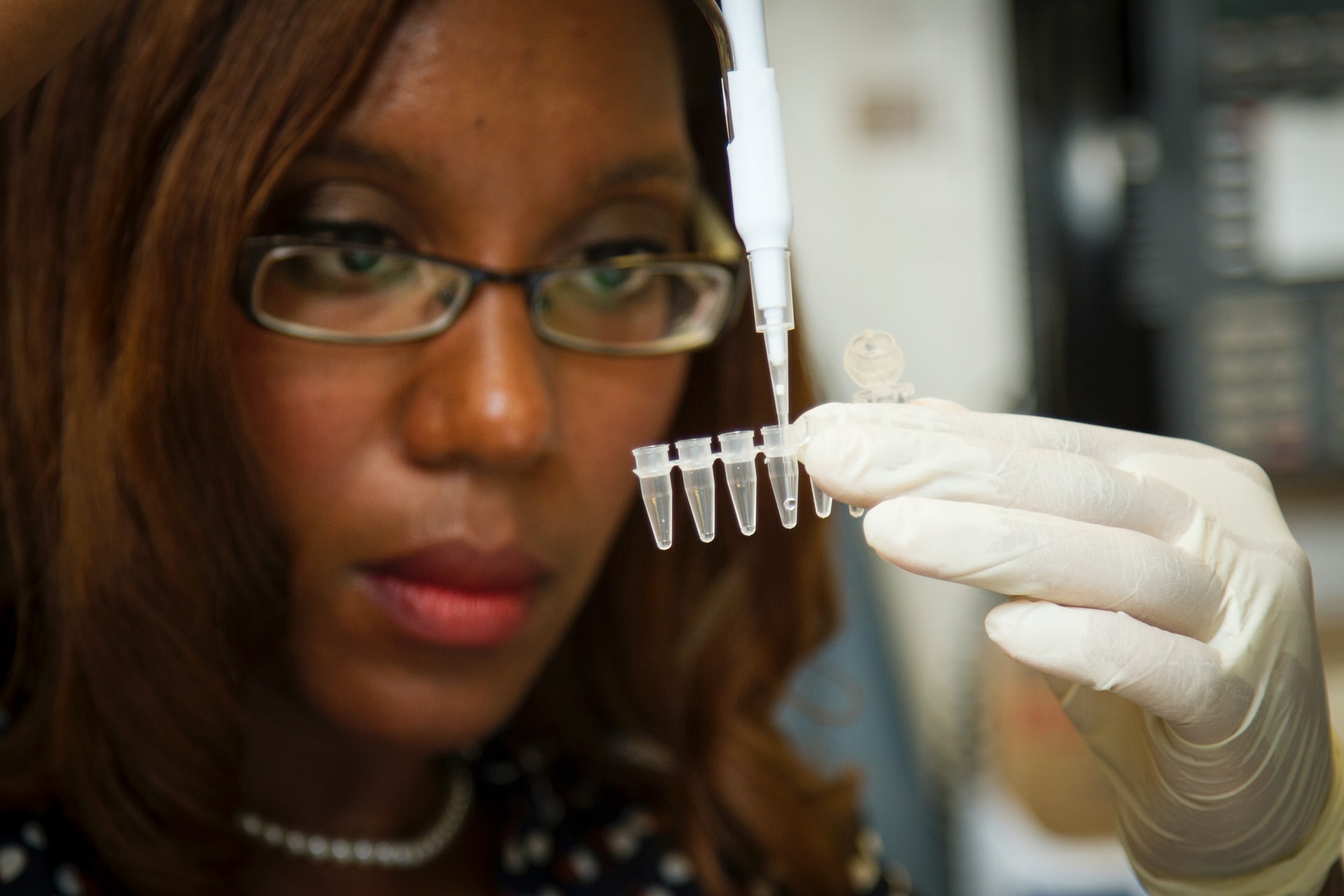
This study separated 68 participants with no prior meditation experience into two groups. In the experimental group, participants were led through a brief series of 15-minute guided meditations that directed participants to focus their attention to their breathing, physical sensations, and mental activity. Unlike the experimental group, the control group completed emotion recognition exercises and played verbal creativity games. For both groups, researchers measured self-reported mood, anxiety levels, and collected saliva samples 10 minutes before the group sessions and again 10 minutes after the group session.
Image Via Unsplash
Within the saliva samples, this team of researchers analyzed the amount of salivary oxytocin, a peripheral biomarker associated with reductions of stress, anxiety, and the promotion of social bonding. In prior research studies, the intranasal administration of oxytocin has been shown to exert a positive effect on social cognition, such as increasing attention to socially relevant information, emotional accuracy, empathy, and even the development of strong therapeutic relationships. Results from prior studies examining whether mindfulness-based interventions increase salivary oxytocin are unclear and warrant further investigation.
Findings from this study revealed that the experimental group receiving the guided meditations had both lower state anxiety levels and lower negative affect compared to the control group. However, the study notes no difference in the level of positive affect between the groups. Importantly, results suggested that the experimental group receiving guided meditations had a statistically significant higher level of salivary oxytocin than the control group. The study authors suggest that the combination of improvements in self-reported mood and increased salivary oxytocin lend to a growing body of evidence that supports mindfulness-based interventions effectiveness at enhancing emotional regulation that may be associated with empathy.
“These researchers posit that mindfulness-based interventions may lead to increased emotional regulation and the upregulation of biological systems that facilitate feelings of empathy, important processes for health professionals.”
The study also notes that the effect size of mindfulness sessions on oxytocin, a metric to assess magnitude of change, was higher than previous studies examining changes in salivary oxytocin after various relaxation exercises and even skin-to-skin contact between parents and infants. These researchers posit that mindfulness-based interventions may lead to increased emotional regulation and the upregulation of biological systems that facilitate feelings of empathy, important processes for health professionals.
Although this study has notable limitations, this study offers insight into the possible mechanisms that link changes in emotional regulation to mindfulness-based practices. Future studies will have the opportunity to evaluate whether these results extrapolate to more diverse populations and with more regular mindfulness-based practices than the brief 15 minute guided mindfulness practices used within this study. Furthermore, since salivary oxytocin is a biomarker more accessible than oxytocin found in the central nervous system, more research will need to clarify the relationship between the peripheral and central oxytocin. This study advances the importance of biomarkers in understanding the mechanisms of mindfulness-based practices and how they work in concert to improve emotional health and wellness.
Scientists are exploring how self-compassion is associated with beneficial health outcomes. Previously, the study of compassion and its effects on health and well-being have been approached theoretically. Researchers have recently advanced the study of compassion using sophisticated multi-method research designs that paint a clearer picture of the neurophysiological effects of self-compassion.
A new study by Kim and colleagues explored how compassion-based training can affect two self-regulatory styles and its relationship to neural, physiological, and behavioral responses. Kim and his team speculated that self-compassion might be fundamentally linked to two distinct self-regulatory styles of self-criticism. One style of self-criticism focuses on opportunities for self-improvement. The second style of self-criticism is theorized to be self-hatred.
With empirical support that self-hatred might be associated with eating disorders, depressive disorders, social anxiety, personality disorders, self-harm, suicide, and interpersonal problems, self-hatred may be a viable transdiagnostic target for treatment.
mentatdgt via Pexels
Compassionate Mind Training (CMT) targets self-hatred by deliberately adopting a self-reassurance state of mind when self-criticisms arise. Originally designed as an adjunct treatment for patients who are non-responsive to traditional treatments, the CMT intervention helps patients learn grounding and body posture, rhythmic breathing, awareness of self-criticism as it arises, and finally helps cultivate compassionate states of mind.
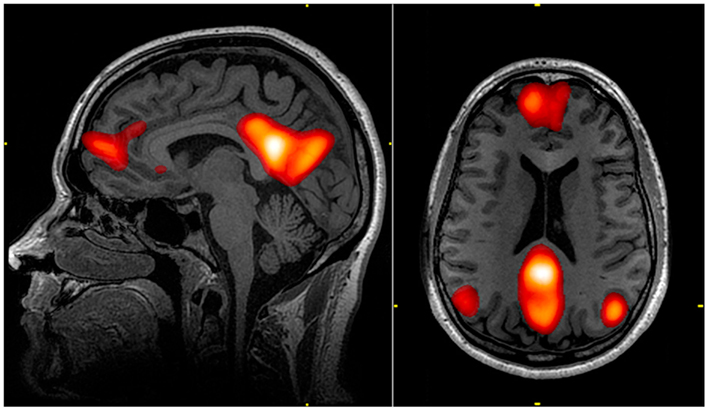
This study recruited 40 participants who completed a series of self-reports, tasks, and psychophysiological measurements at the beginning of the study. During one of the neuroimaging tasks using fMRI to record neural responses, participants were asked to utilize either the self-criticism or a self-reassurance regulatory style while viewing negative expressions “I fail to keep up with my commitments in life,” or neutral expressions such as, “I keep up with my commitments in life.” Participants then rated the intensity of these statements.
fMRI example
Researchers then assessed participants’ heart rate variability (HRV), an index of parasympathetic response, before and while participants listened to a standardized 15 minute recording of the Compassionate Mind Training. Participants were encouraged to follow the guided meditations for a two week period, followed by a second round of HRV testing.
Study results suggest that a brief intervention of Compassionate Mind Training is capable of reducing neural networks associated with threat. By first examining the difference between the neural activation when participants engaged in self-criticism versus self-reassurance, the research team was able to identify greater neural activation across the whole brain in the salience network (SN), believed to process affective pain, and the default mode network (DMN), which is involved in self-referential processing.
Further analyses highlighted that there was greater activation in the anterior cingulate cortex (ACC), anterior insula (AI), and the amygdala during the self-criticism condition and reduced activation during the self-reassurance condition. The authors highlight that these study results suggest that the use of criticism and reassurance operate on similar neural pathways.
“Results also indicate that compared to resting states, the practice of cultivating compassion increases parasympathetic response, measured as the increase in HRV.”
Results also indicate that compared to resting states, the practice of cultivating compassion increases parasympathetic response, measured as the increase in HRV. This study also suggests that those participants who had a lower resting HRV engaged in the intervention more and had more increases in HRV from rest to intervention.
Conversely, those with higher HRV engaged less in compassion over the course of the intervention and did not observe significant shifts in parasympathetic response. The authors suggest this might signal that participants at great risk derived more benefits by engaging in compassion. Furthermore, the study demonstrated that the intervention elevated the HRV of a subset of participants so that they were no longer within a clinically-low range, which has been linked to elevated cardiac risk.
Finding from this multi-method study provides fascinating insights into the putative benefits of compassion-based trainings for helping individuals dealing with their own self-criticism While this study adds to a growing body of evidence that supports meditation practices increasing HRV, this study importantly highlights that self-criticism and self-reassurance function on similar neural substrates.
Future studies will have the opportunity to clarify whether these results extend to clinical populations. If so, compassion-based training may offer a viable transdiagnostic therapeutic tool for helping individuals suffering from self-criticism.
Dr. Ilana Nankin—the Founder & CEO of Breathe For Change—is an award-winning entrepreneur, teacher educator, and former San Francisco pre-k teacher committed to using wellness as a vehicle for healing and social change. Ilana received her PhD in Curriculum and Instruction at University of Wisconsin. Her dissertation revealed the critical connection between educator well-being and student learning, and the positive impact that wellness and social-emotional learning can have on teachers and students’ lives. Inspired by her research, Ilana founded Breathe For Change, a movement on a mission to enhance the health and well-being of educators, students, and entire communities. Breathe For Change offers mind-body wellness, social-emotional learning, and yoga teacher trainings for educators and community leaders, and provides wellness and SEL professional development for schools, districts, and organizations. Since 2015, Breathe For Change has certified 4,000+ educators through their 200-hour training, and positively impacted the lives of 500,000+ students. Ilana and Breathe For Change will continue strengthening and caring for educators, students, and communities until individual and collective well-being becomes a reality for all human beings.
Can you tell us about Breath For Change?
Breathe for Change is a movement that aims to empower educators to transform themselves, their relationships, and their communities in order to create a more socially just and peaceful world. We offer the world’s only 200-hour wellness and yoga training that is specifically designed for educators.
Why did you start Breathe for Change?
As a former Pre-K teacher in San Francisco, I was incredibly stressed. I found yoga and mindfulness and it completely transformed my teaching and my personal life. I started using the practices in my own classroom and saw transformational outcomes both social-emotionally and academically for my students. I came to the University of Wisconsin-Madison to pursue my Ph.D. in Curriculum and Instruction. Through my research and teaching, it became clear that teacher stress and burnout is a universal concern and that our teachers don’t necessarily have the means to take care of themselves as they support their students. I realized I had to do something about this. My vision was to prioritize teacher well-being in the education system by giving them tools to deal with the stresses that they face everyday.
I completed a yoga training the year before and it was truly transformational as a teacher. I wanted to share this experience with other educators and I had the idea to start the world’s first 200-hour wellness and yoga teacher training. We designed it specifically for educators to give them skills to integrate mindfulness and yoga into their lives, build communities, and affect school-wide transformation.
Michael Fenchel, who was a successful entrepreneur, was inspired and wanted to help formalize this into a business. We came together in 2016 to pilot ten school-wide wellness programs that were premised on three thematic workshops: transformation of self, relationships, and community. Our graduates taught weekly wellness classes that were a mixture of community-building activities, mindfulness, and yoga. We also created content that teachers could use to take care of themselves, social-emotional strategies for students, and a vision of well-being that leaders could integrate into their larger vision of education. What we witness was a ripple effect within a few months of that initial training; we had such a positive response that people were actively introducing these strategies in their schools.
Via Breathe for Change
What are the basic tenets of the curriculum?
When I was a Pre-K teacher, a student raised his hand in our community circle and said, “In a community, first you have to love yourself, because if you don’t love yourself, then you can’t love anybody else.” When we broke it down, this young student’s words were truly the inspiration behind our curriculum. The whole transformation progression is grounded in this idea that in order to take care of others, we have to first take care of ourselves. Accordingly, our curriculum incorporates a wide range of wellness techniques based in yoga and mindfulness that promotes the transformation of self, relationships, and communities. What makes our yoga training unique is the emphasis that we place on developing relationships within our school communities.
Is the curriculum geared toward any level of educator?
Our 200-hour training is for any educator involved with Pre-K through 12th grade. We differentiate our social-emotional learning strategies so that teachers within the same grade levels are working with each other when we do peer mentorship groups. This gives teachers the opportunity to connect and share resources with colleagues sharing similar experiences. Breathe For Change is relevant for a diverse range of individuals working within schools, including educators, principals, school social workers, and college professors. We believe that having a diversity of perspectives and experiences strengthens everyone’s experience within the community.
Is the program designed for schools or individual teachers?
Initially, we designed it for individual educators. However, we see a trend unfolding; when we first launch in a new city, we primarily recruit educators, they take it back to their schools, and then the districts take note and begin to get excited about this. This potential link is really exciting because if whole districts get on board, then we’re better able to enact systemic change.
The first training we piloted was in the Madison school district. This introduced Breathe For Change with the district and so that created a formal partnership with the entire Madison Metropolitan School District. That gave more schools and teachers the opportunity to get on board.
Anything is possible when an entire leadership sees benefit in this vision. We’re going in that direction, but for now we market to educators and principals to forward to their educators. Principals can recognize that if they can have even one educator participate, those educators can implement a wellness program into their schools.
Via Breathe for Change
“In a community, first you have to love yourself, because if you don’t love yourself, then you can’t love anybody else.”
How do you measure the impact it has on children and teachers?
Last year I worked in partnership with the University of Wisconsin, Madison and received approval to conduct a research study to test how our training impacted the lives of our graduates and their educational communities. What we found was that 100% of these teachers said that Breathe for Change significantly reduced their stress levels and enhanced their well-being. We also found that all of the schools that have wellness programs reported increased collaboration among staff and feel a deeper sense of community. The teachers have also self-reported gains and enhancement in the social-emotional and academic outcomes of their students.
Through my dissertation, which focused on the training experience of eight teachers, I found a correlation between students’ social-emotional learning and their academic performance. I think that correlation is expected, but not necessarily prioritized in our educational system. If we are taking care of our kids’ social-emotional needs, then their academic performance is going to subsequently improve. Instead of focusing on the literacy and math scores, we should shift our focus to the underlying issues that the children are facing. If we give them the tools and supports to enhance their social-emotional development, then ultimately that will have a direct and lasting impact on their lives.
One of the participating schools noticed the impact of Breathe For Change on the rate of students’ behavioral incidents. This is a school where every teacher participated in the program. They found that the rate of behavioral incidents decreased by more than half from the year before. Instead of detention, they practiced non-violent communication among other strategies that we taught their teachers.
The other thing that we found was the results from the surveys we gave to 150 teachers who completed the teacher training. We did a pre-survey, at the end of each segment, as well as a post-survey. What we found was that the Net Promoter Score (NPS), assessing whether the program participant would refer this to colleagues, we received a 100% score. This means that every teacher says that they would recommend this training based on the value that it brought them.
“What we found was that 100% of these teachers said that Breathe for Change significantly reduced their stress levels and enhanced their well-being.”
Teachers in Training via Breathe for Change
When you mention building community, is that designed for children or teachers?
I would say both, but it starts with an emphasis on the teachers. In our trainings, we create a space that allows teachers to be vulnerable. They are encouraged to express themselves fully in a trusted community of peers. Most teachers haven’t necessarily experienced that before. Those who graduate our training cultivate a support network that they can readily access anytime after. The community starts at the training, but there is a ripple effect. They first learn how to build communities and later they share these techniques with their colleagues. For instance, some teachers start everyday with breathing exercises with the rest of their staff.
All of the social-emotional skills we teach not only enhance the individual student’s emotional regulation capacity, but also teach them how to cherish community. We show students how to connect with our fellow peers, appreciate, and become present for one another. We’re discovering that this is possible with any student age four and up. We’re giving students a toolset to infuse these skills in any area of their lives.
Have you faced any resistance?
Actually, I have been shocked with how little resistance we’ve had. For some people, mindfulness and yoga carry stereotypes, mainly that it’s religious-based. We recognize that the language that we use is important. Terms like ‘yoga’ aren’t used in our program. We’re cognizant of this even though the scientific research supports the benefits of yoga and mindfulness. My whole intention is to circumvent these potential resistances. We teach teachers how to reframe what we’re doing using very universally accepted vocabulary. For example, we tell our teachers not to use the term ‘yoga’ in their schools, but instead ‘mindful movement’. The action of teaching ‘yoga’ or ‘mindful movement’ is the same, but the implications are very different. Outside of a school setting, educators can choose the term that most appropriate. But within a school, we use these universal terms with sensitivity to the resistance that we could face.
We also have found some resistance working with large districts where there is more bureaucracy, legalities, and rules. They might have existing initiatives that they have been working on for years. It can be challenging to introduce new programs on a systemic level. That’s why we focus on teachers first. No policy is going to prevent a teacher from introducing community building into their staff meeting or classroom. It’s happening even with some of these systemic barriers in place. I think that in time as we train more teachers and develop more leaders in our schools, policies will hopefully start to change. We might see superintendents instead of teachers introducing Breathe For Change to their entire district. In time it will grow when everybody sees its intrinsic value.
Where would you like this to be in ten years?
In ten years I would like to see Breathe For Change in every single school in our country. I believe it’s paramount that our education system recognizes the value of teacher well-being. We hope to see complete shifts in our education system with a deeper focus on social-emotional learning and teaching. I see Breathe For Change as a movement that is creating educators with agency to change the world. I want see the world as a happier and healthier place and by giving educators the ability to transform communities, starting with themselves. That’s the key to world transformation. It would be my dream to have everyone know what Breathe For Change is and see the real effects it has on individuals, if not systems. I want to see injustice and disparities in schools conquered. I think that the missing link is social-emotional development and wellness and I want to see that prioritized.
Keep up with Dr. Nankin’s latest groundbreaking work on her website.
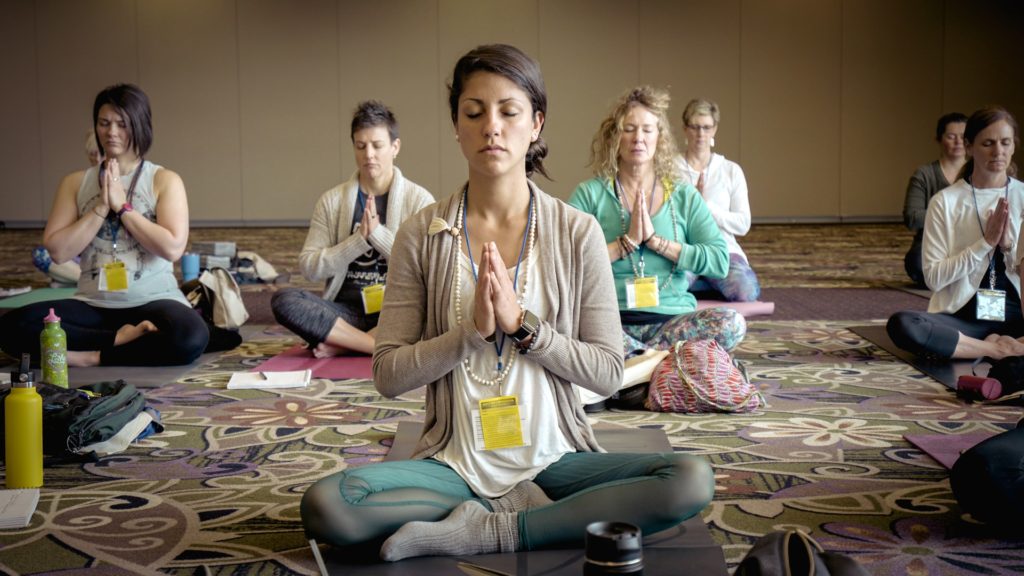
While many research teams are dedicating themselves to discovering a vaccine for the COVID-19 virus, mindfulness researchers are now studying how mindfulness practices could be effective for reducing the daily anxiety associated with the pandemic. Scientific research traditionally moves slowly, yet a team of researchers based in the perceived epicenter of the virus, Wuhan, China, recently tested whether a brief mindfulness intervention delivered through an app could be effective for reducing anxiety and protecting nightly sleep during the unfolding pandemic.
New COVID-19 outbreaks within communities cause sudden and unprecedented physical, emotional, occupational, and social changes. Individuals naturally experiencing anxiety may also encounter disruption to their sleep health. The reciprocating effects of anxiety on sleep health lead to further health complications that may leave immune systems compromised and populations further susceptible to infection.
Image via Pexels
This study recruited 97 adult volunteers from Wuhan, China for a randomized controlled trial conducted in a 10 day period between February 20th and March 2nd, 2020. Participants were randomized into either a mindfulness intervention or a mind-wandering intervention control group.
At the beginning of the study, all participants completed a baseline survey to collect demographic information and baseline mindfulness levels. Every morning, both groups were sent a survey through a messaging app assessing for sleep duration, sleep quality, and caffeine intake, followed by a ten minute audio instruction for practice.
The mindfulness practice included instructions for mindful awareness, present focus, and acceptance. The mind-wandering audio contained instructions for unfocused attention, a wakeful state that is commonly used as a controlled condition in mindfulness research. Each night, participants completed another survey to assess for daily anxiety levels.
“Mindfulness interventions delivered through a smartphone app offers a viable public health solution to counteract the detrimental and synergistic effects of anxiety and sleep disruptions during this emerging pandemic.”
Study results revealed that compared to the mind-wandering condition, participants in the mindfulness group reported higher levels of mindfulness. Next, analyses indicated that daily anxiety levels were lower in the mindfulness group, even after controlling for a cluster of factors such as trait anxiety levels, age, and gender.
Furthermore, a difference emerged between the two groups with regards to the relationship between sleep duration and reports of new confirmed cases, a factor hypothesized to cause anxiety and disrupt sleep. Those within the mind-wandering condition loss more sleep by an average of 39 minutes per thousand daily confirmed cases. Importantly, sleep quantity was unaffected by those within the mindfulness condition.
While a notable advantage of this study is the unprecedented timing and access to a vulnerable community, this study has substantial limitations. Future studies will have the opportunity to implement more rigorous methodology, include a more comprehensive battery of assessments for different health indices, and include follow-up data to assess whether these changes are enduring.
The findings from this study offer insights into both the potential power of mindfulness practice and the multifaceted utility of science during a time of global crisis. Mindfulness interventions delivered through a smartphone app offers a viable public health solution to counteract the detrimental and synergistic effects of anxiety and sleep disruptions during this emerging pandemic. With concerns of over-utilization of hospital services, brief app-delivered mindfulness practices could add an additional level of health protection for citizens and their respected communities.
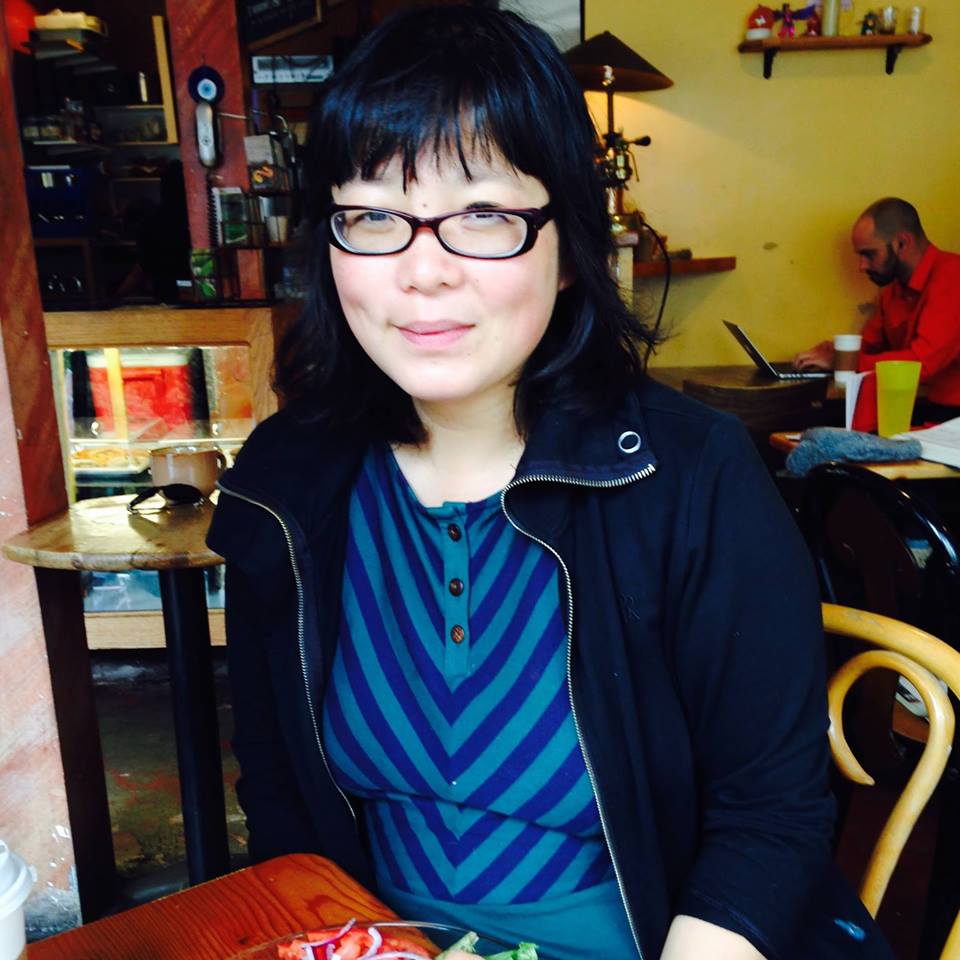
Dr. Helen Weng is a clinical psychologist and neuroscientist who originally joined the Osher Center for Integrative Medicine in 2014 as a postdoctoral scholar in the Training in Research in Integrative Medicine (TRIM) fellowship. In her work at the Osher Center and as an affiliate faculty member of the Neuroscape Center, she is developing new ways to quantify meditation skills using functional magnetic resonance imaging (fMRI) and machine learning to identify mental states of body awareness during meditation. She values integrating multicultural and social justice frameworks into her work and communication.
How did you first become interested in compassion and mindfulness?
Starting in high school, I started reading books about psychology, Buddhist philosophy, and emotional intelligence. Luckily my dad recognized that interest and he gave me books. It was in high school when I read the Tibetan Book of Living and Dyingby Sogyal Rinpoche, The Art of Happiness by the Dalai Lama, and Emotional Intelligenceby Daniel Goleman. My interest came from the struggles I had growing up as one of the only racial minorities in my town, and from the cross-cultural clashes I had with my parents who are Taiwanese immigrants. I wanted to find a form of healing and relief from pain which I’m learning many people share.
I started to realize there were internal characteristics that can ground us in our values and what we care about. For example, compassion could become a value in responding to others’ suffering with kindness. In one of the books, I learned about compassion and it stated that compassion could be developed through meditation. The book also included instructions for compassion meditation that you could practice. I was 15 years old in my bedroom practicing compassion meditation and realized how hard it really was. It grounded me and helped give me a value that could guide me.
It became a deep personal value of mine. I reflected on compassion and tried to express it in my life. In college I ended up majoring in neuroscience and I knew I wanted to be a clinical psychologist. As one expression of compassion, I wanted to see how I could help people with mental health issues. I learned of Richie Davidson’s work where he studied the brain, emotion regulation, and was beginning to study compassion meditation. Our research interests were so well-aligned that it was clear that I should be his graduate student. I had to reach out to him.
I actually wrote about these experiences for my autobiographical essay when I was applying for clinical psychology internship. I recently shared this at the 2016 Mind and Life Summer Research Institute to give people an understanding of how my contemplative practice stems from my experience as a second-generation immigrant and racial minority in the United States, and how these experiences are feeding into my new work.
You studied mindfulness at the University of Wisconsin-Madison, arguably the epicenter of mindfulness research in the world. Could you tell us a bit about your experience working within that research network?
The Center for Healthy Minds is very large now. There was never a dull moment. Our central aim was to apply the most rigorous science to meditation and well-being. We tried to use as many objective measures as we could, like brain imaging. I developed economic decision-making paradigms to measure the outcomes of compassion meditation. We wanted to develop measures of compassion where people were unaware of what we were measuring, and that measured observable quantifiable behavior. That was a very tricky scientific endeavor that we eventually figured out.
There is also a very public component of the Center where we really care about disseminating the information to the general public. We believe that everyone has the right to know how to expand their own potential for well-being. We have studied mindful attention, emotion regulation, empathy, and compassion. The question becomes how do we bring this information to the public once the science has been established. To this end, we provide newsletters, classes, and seminars to educate people according to the latest findings.
The Center has grown and they expanded their outreach to schools where they have conducted mindfulness and kindness-based trainings in schools. We released more resources that people can access. For instance, the compassion-based training that I used in my study was a 30-minute daily mediation that is freely available on our site. We showed that if you practice every day for 2 weeks for 30 minutes, it’s enough to increase your generosity to a stranger through the economic paradigms that we’ve created. It was also enough to change how their brains responded to suffering, showing increases in regions associated with empathy and emotion regulation. This is a major part of our mission: to learn these things and then bring them to the greater community.
What is compassion and how do you develop it?
Compassion is the awareness of somebody’s suffering, and responding with a sense of caring and wanting to help. It can generate a feeling of warmth and connection, and also a desire to relieve that suffering. With compassion meditation, you envision different types of people suffering in your mind and then you practice a compassionate way of responding. So first you have to tune into somebody’s suffering, either emotional or physical. Then there is a desire to relieve that suffering. We think we’re training people to get better at this with practice. Not only does it change your internal state when you encounter somebody suffering, but we think that it also change actual behavior. It transforms an internal state into an external behavior. I think that contemplative practices can affect how we act, interact, and communicate to produce more well-being for ourselves and others.
You studied how compassion training alters altruism and neural responses to suffering. What were the results of this study and why is this important?
We found that compassion meditation training increases altruistic behavior and also how the brain responds to suffering. We came up with an economic behavioral paradigm called the Redistribution Game, which we developed from the behavioral economics literature. Working with my colleague Drew Fox, PhD, we developed a paradigm where the participants witness an unfair economic exchange between two people. They themselves have money, and if they choose to do so, they have the option to spend their own money and redistribute the unequal distribution of funds. The game was described in purely economic terms; they didn’t know we were trying to measure compassionate behavior. That money actually came out of their paychecks so it really meant something. It’s a model for altruism: spending one’s own money to promote equality. You can see how this model theoretically translates to other forms of inequality that we encounter every day.
We took members from the Madison, Wisconsin community who had no meditation experience. Twenty of them learned compassion meditation using a guided audio practice. In the compassion mediation group, they practiced envisioning different kinds of people suffering: first a loved one, themselves, a stranger, and then somebody they might find difficult. They have to imagine each person suffering then practice wishing them relief from their suffering. They repeat compassion-generating phrases such as “May you be free of suffering.” The compassion group did that every day for two weeks.
Twenty-one people in the control group learned cognitive reappraisal. Participants learned to think about situations in different ways to make them less stressful, essentially changing their thoughts to improve their feelings. We put both groups in the brain scanner before and after the two weeks in their respective courses to measure how their brains would respond to images of suffering. We showed them pictures of people in pain, both emotional and physical pain. Then we also showed them pictures of everyday neutral situations.
The compassion group had to evoke compassion for the people in the pictures, and the cognitive reappraisal group had to reinterpret the meaning of the pictures to decrease their negative feelings. What we found is that after only two weeks of practicing, the compassion group spent more money in the redistribution game to help out a stranger compared to the cognitive reappraisal group. This showed that just two weeks of practice was enough to change how the compassion group treated other people.
“This showed that just two weeks of practice was enough to change how the compassion group treated other people.”
We then learned how much a person was willing to spend was associated with how much their brains changed from the meditation. So people who showed a greater increase in the brain region involved with empathy, called the inferior parietal cortex, were also the ones who gave more to the stranger in the game. This links objective neurological responses to behavioral outcomes. Within this context, this data suggests that the way you perceive suffering is related to how you treat someone.
One of the implications is that compassion is not just something you’re born with. We all have a certain dispositional level of compassion. However, we can practice and get better at it. Using the parallel of practicing an instrument; the more you practice, the better you get. If you practice compassion, it might shift the meaning of what somebody else’s suffering means to you, which might change the way you treat people and could ultimately make you a more caring person.
“If you practice compassion, it might shift the meaning of what somebody else’s suffering means to you, which might change the way you treat people and could ultimately make you a more caring person.”
Is the heightened neurological activation seen in the brain permanent, or do effects weaken over time without continued compassion training?
We don’t have the data yet to know that. We would need more data that measure our participants over time. We do see differences in long-term meditators who practice compassion meditation. Those practitioners show more activation in regions associated with empathy like the insula. We would need some studies that follow people over time as they practice. I am curious to know how much you need to practice to maintain a stable level of compassion. As with most things, if you continue to practice, those skills become more stable.
How did you become involved with the Mind and Life Institute?
I read the books that they were publishing and was introduced to Richie Davidson’s work. I started going to the conferences at the Summer Research Institute, which invites scholars in the field from difference disciplines and encourages interdisciplinary discussion.
I applied to a Varela Award in 2006, offered by the Mind and Life Institute, to fund part of my compassion meditation study. I was fortunate to receive the award and they started to invite me to speak as a Varela awardee. Last year, I was awarded another Varela Award for my postdoctoral work to increase the racial and ethnic diversity within studies of contemplative neuroscience. At this year’s Summer Research Institute, they invited me to be a faculty member to speak on my new work, which was a great honor. My teams at the UCSF Osher Center for Integrative Medicine and the UCSF Neuroscape Center, directed by Dr. Adam Gazzaley, are collaborating with the East Bay Meditation Center in Oakland, CA.
Cliff Booth/Pexels
In your latest talk at the Mind and Life’s Summer Research Institute, you delivered a proposal to include more diverse contemplative communities in your neuroscientific research paradigms. Why is this important?
There is a larger cultural phenomenon in this country where the mindfulness field mainly consist of people in higher socioeconomic status and it tends to be more Caucasian practitioners.
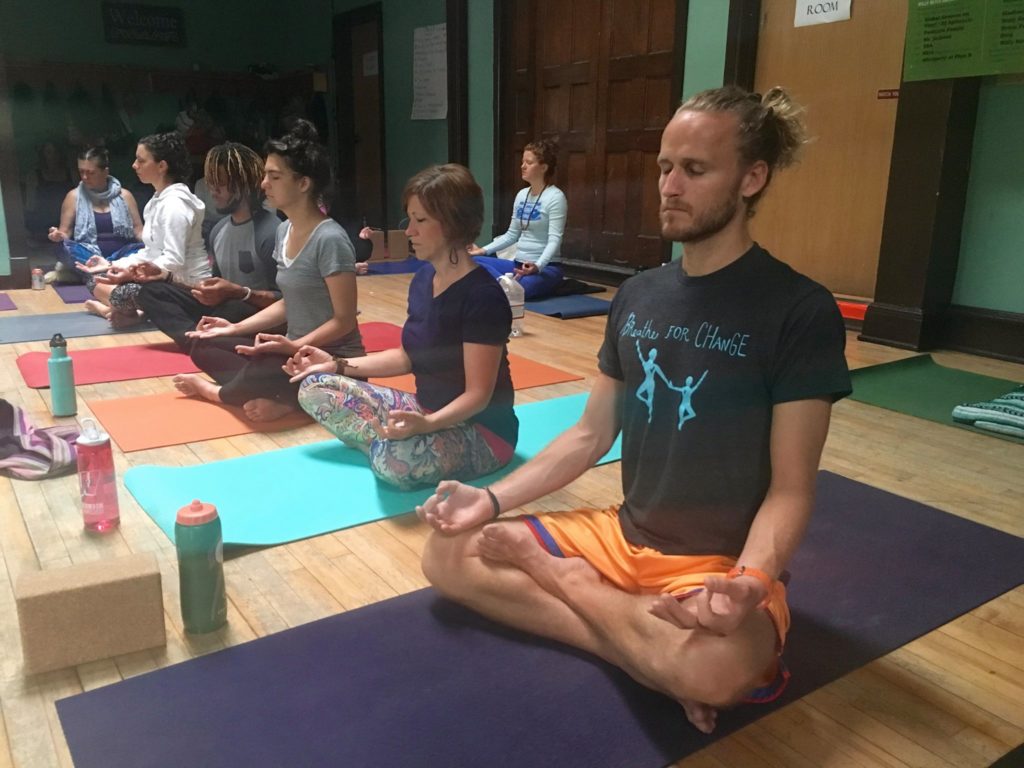
I’m working with the East Bay Meditation Center in Oakland, California. They provide safe spaces for underrepresented populations to practice a variety of contemplative practices, and offers guidelines for members from different group identities to interact. They have groups for people of color, LGBT, people with disabilities, and those with chronic health conditions. We know that people from different group who are minorities encounter different stressors and meditation practice can really help with improving their sense of well-being and promote healthy emotional regulation.
Photo Credit: East Bay Meditation Center
I’m working with them to create community-engaged approaches, meaning that I get continuous feedback from people in their community as we’re conducting our latest neuroscience study. Using community engagement and dialogue, my Varela Award will help increase the diversity of meditators studied within contemplative neuroscience, including racial and ethnic minorities, the LGBTQ population, and people with disabilities.
“The field is recognizing that mindfulness practice and research need to be accessible to many different type of people, particularly people who encounter more oppression, which is a type of suffering.”
The field is recognizing that mindfulness practice and research need to be accessible to many different type of people, particularly people who encounter more oppression, which is a type of suffering. There is so much potential for these types of practices to help minorities.
Could you tell us about your current study?
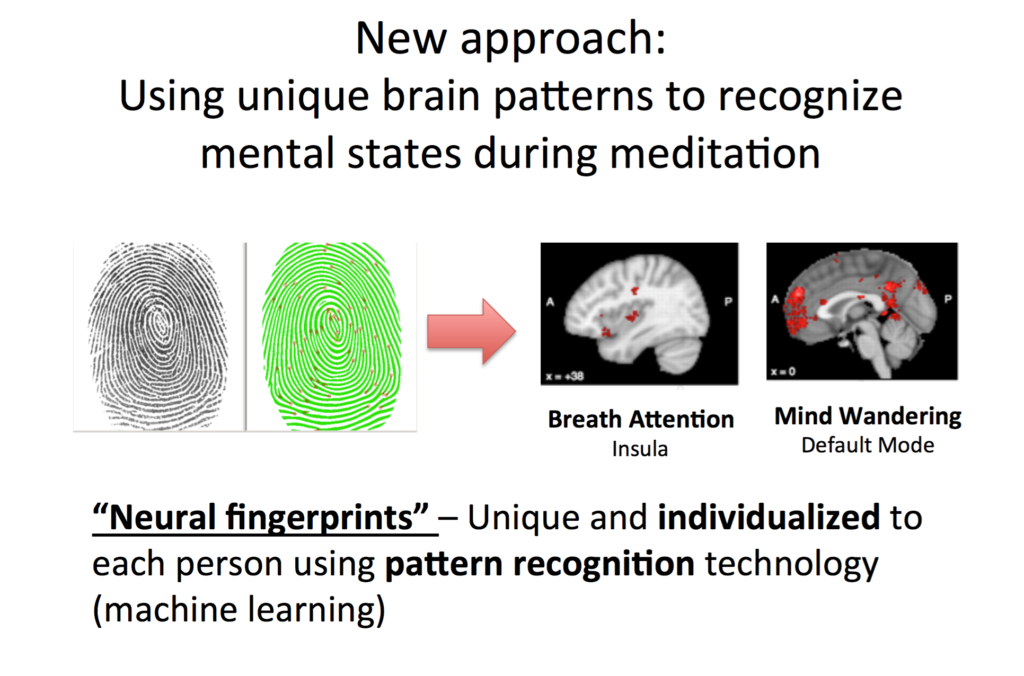
In the EMBODY study, I’m using a new fMRI methodology to study meditation. It uses machine learning or pattern recognition technology, which has been around for 15 years in the field, to identify mental states during meditation. This is in contrast to standard fMRI methods, which averages brain activity together within a person as well as across people. Because mental states during meditation are fluctuating and changing, and different people may have different patterns of brain activity, using pattern recognition approaches that are individualized to each person make more sense. The way my brain works during meditation doesn’t have to look the same as somebody else’s when they meditate. So we’re developing these methods to first study focused attention to the breath in order to see when people are paying attention to their breath or not, based on individualized brain data.
Since this methodology is more individualized to each person, it’s more conducive to including a greater diversity of people in these studies. There are a lot of biases and assumptions in neuroscience. These assumptions carry out when we analyze data. We assume that brains act similarly, to the extent that we actually average the activity, which means we exclude certain people’s brain activity who might be considered “abnormal.” For instance, we typically exclude left-handers, people with neurological disorders, people who have had head injuries, or mental health issues. We end up with a pool of people who don’t represent the greater population. Once we have methods that accounts for each person’s unique activity, we no longer need to have all those stringent study criteria.
I’m working with the East Bay Meditation Center to reexamine these assumptions. It comes down to who can lie still in the scanner for two hours comfortably and who can pay attention to their breath. That includes a lot of people. That’s the beauty of contemplative practice; it’s available to most people. I’m trying to infuse these principles of honoring diversity and inclusivity into the populations I study and how I study the brain.
You were recently invited to participate in a dialogue with His Holiness the Dalai Lama at the International Conference of Buddhism and Science in Ulaanbaatar, Mongolia. What was that experience like?
International Conference of Buddhism and Science in Ulaanbaatar, Mongolia. Photos Credit Fadel Zeidan, PhD
This was an amazing experience and such an honor! Institutions in Mongolia put together the first Science and Buddhism conference with His Holiness the Dalai Lama, and reached out to the Mind and Life Institute for some scientist speakers. I was invited along with Fadel Zeidan, PhD as junior scientists to represent Mind and Life by the president Susan Bauer-Wu. This was a dream come true for both of us, observing dialogues with scientists and His Holiness since we were young graduate students, and now being invited to participate. Four Mongolian speakers also spoke on Buddhist ethics, Buddhism and quantum physics, and perspectives on biomedical advances such as stem cell research.
Presentation slide from Helen Weng, PhD, at the International Conference of Buddhism and Science in Ulaanbaatar, Mongolia[/caption]
I spoke about my new work with the EMBODY Task, showing how pattern recognition technology applied to brain data can actually identify when a meditator is paying attention to their breath or not. I also spoke about the collaboration with the East Bay Meditation Center (EBMC) and working with diverse populations such as racial minorities and the LGBT population. His Holiness was particularly engaged when hearing about how EBMC cultivates a culture of understanding between different groups of people, particularly between groups who hold more power or less power. I was thanked by many Mongolian women after the talk, and I am excited to help represent Asian women in the sciences. The conference organizers expressed wanting to inspire young people in Mongolia to be involved in the intersection of Buddhism and Science, and the dialogue was broadcasted on Mongolian TV. I hope I contributed to that inspiration.
“I was thanked by many Mongolian women after the talk, and I am excited to help represent Asian women in the sciences.”
What has been the most exciting part of being a researcher of mindfulness-based interventions over the years?
I really like creating new things and understanding my own experiences. I’m working to make my science a part of my contemplative practice and become more vocal about this. My deepest wish is to become a more loving and compassionate person and have my life that truly reflects this. One way is through my work, as these are the topics I study. I approach life as a person who practices compassion through various means, sees how compassion may affect me and those around me, and then I channel that into my work. I process and examine my personal experiences, and then I design an experiment to test whether my understanding of them is right. It’s another form of practice.
The learning goes both ways, and I will change my understanding based on what my science says. I learned from my first compassion meditation study that when people witness an unfair transaction, the more they spend in the game is related to how compassionate they are. But if they witness a fair interaction, and they still spend their money on one person, they are actually punishing the other person. This illustrates how compassion is contextual. I had to learn to not to be helpful all the time, especially if someone acts poorly; that my decisions to care and help are based on the specific situation. This is one example of how my science feeds back into my own experience, and it creates a continuous dialogue and invites the scientific process as a part of this dialogue.
What does the future of the science hold? What more is there to learn?
So much more! I am really interested in developing these machine learning methods to identify mental states during meditation. It’s really the wave of the future. One of the cool things that it can do is that it can get a count of how much somebody paid attention to their breath. We really don’t have that at this point in time. Using brain data, we can begin to quantify these processes. I want to bring these methods to many kinds of meditation, and eventually use them to study loving-kindness and compassion meditation again.
I want to work on creating better brain-based measures of meditation that are specifically tailored to different types of meditation. A lot of the tasks that we use come from literature that already exists. But meditation is a very interesting, dynamic process. So we also need to design experiments to optimize measuring meditation differently, since there are so many types of meditation practice. If I had unlimited resources I would try to develop really good tasks to measure each type of mediation skill that people practice and learn. Then we would be able to determine which skills contribute to decreasing anxiety and depression, building relationships, and promoting compassionate behaviors. Also, there is the need to improve measures of the psychological and the behavioral effects of meditation. I think it’s all about measurement development. That will be a core of what I do.
Is there anything I haven’t asked you that you would like to share?
I’m also trained as a clinical psychologist and I’ve been a therapist for four years during my graduate training. I had to individualize therapy for each person, and different approaches worked for different people. For example, someone chose cognitive behavioral approaches (changing thoughts to change feelings) over mindfulness-based approaches to help with his anxiety. I would suggest that people should experiment. People need to look within themselves to understand what they enjoy and what seems to work with them. There seems to be a cultural thing that people assume that meditation will work for them or “should” work for them. I think people should try and take a class and then later reflect whether they will actually integrate that into their lives.
I think mindfulness and compassion skills have more of an effect if you do them consistently. The act of meditating is not for everyone. There could be a different way to access compassion or become present and centered. I would encourage people to reflect what helps them settle down, connect to themselves and others. It could be through a myriad of things, music, exercise, or having deep conversations. I do believe mindfulness and compassion can help all of those processes because it trains qualities of attention that should help in everything we do. It’s fine if meditation isn’t what helps someone best. I really encourage people to understand their own minds and processes.
“The act of meditating is not for everyone. There could be a different way to access compassion or become present and centered. I would encourage people to reflect what helps them settle down, connect to themselves and others.”





 Since this methodology is more individualized to each person, it’s more conducive to including a greater diversity of people in these studies. There are a lot of biases and assumptions in neuroscience. These assumptions carry out when we analyze data. We assume that brains act similarly, to the extent that we actually average the activity, which means we exclude certain people’s brain activity who might be considered “abnormal.” For instance, we typically exclude left-handers, people with neurological disorders, people who have had head injuries, or mental health issues. We end up with a pool of people who don’t represent the greater population. Once we have methods that accounts for each person’s unique activity, we no longer need to have all those stringent study criteria.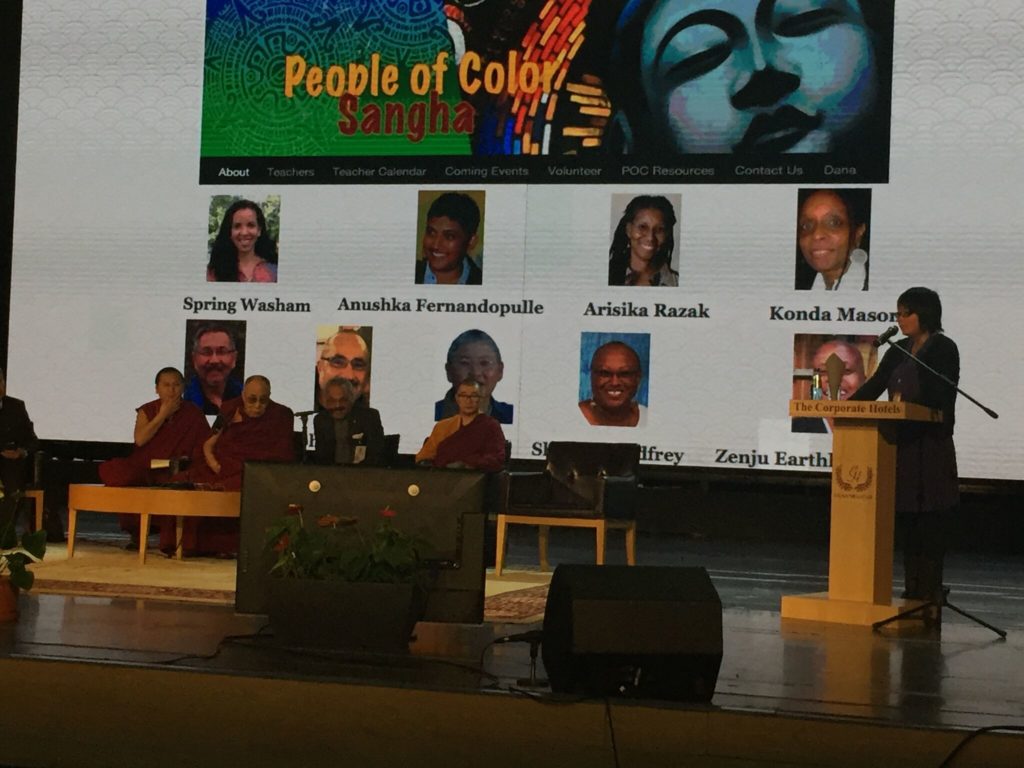
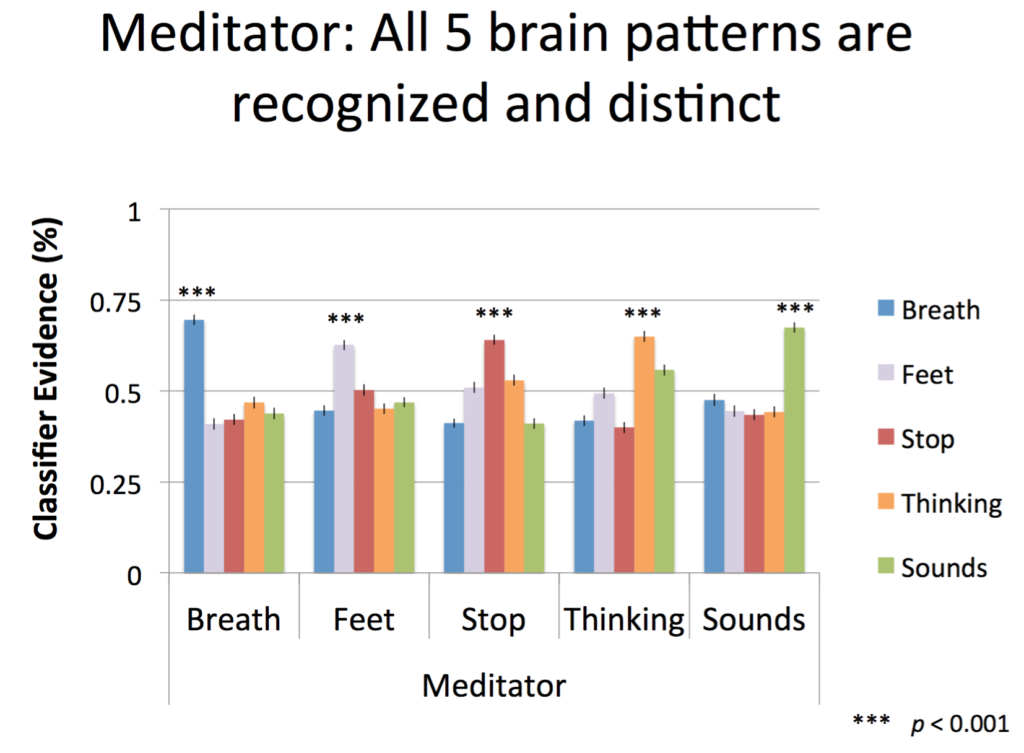 Presentation slide from Helen Weng, PhD, at the International Conference of Buddhism and Science in Ulaanbaatar, Mongolia[/caption]