A Self-Guided Mobile Mindfulness Program Embedded in Daily Routines for Adults With Psychological Distress: A Randomized Controlled Trial (Wu et al., 2026)

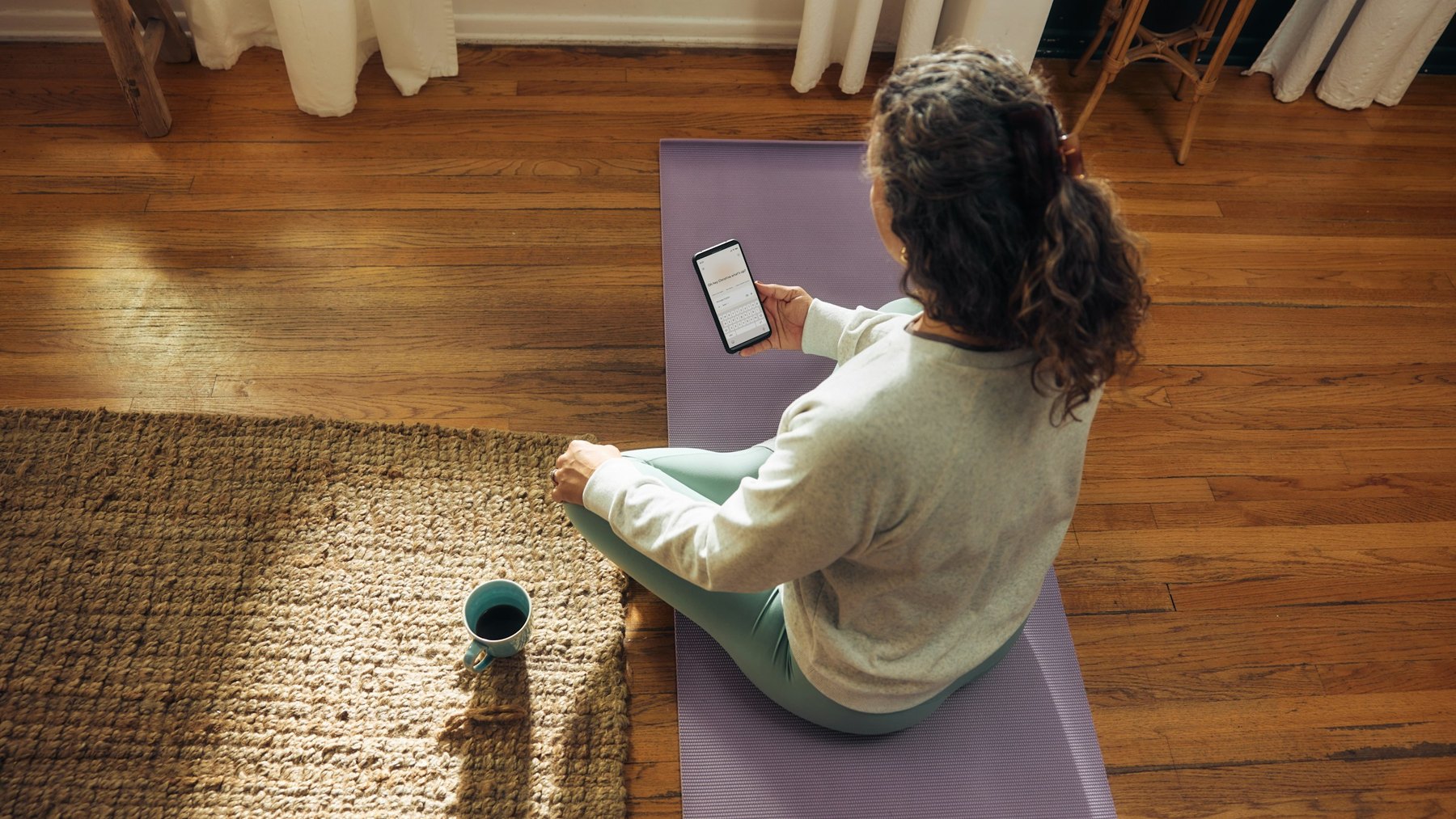
Mindfulness programs often ask people to set aside a long, quiet stretch of time, which is exactly what many busy adults struggle to find. Xichun Wu, Wei Xu and colleagues at Beijing Normal University tested a different approach in JMIR Mental Health: instead of one longer session, tie several short practices to things people already do each day.
The trial enrolled 686 adults in China, aged 18 to 65, who reported mild to moderate depression or anxiety symptoms and had no prior formal mindfulness training and no current treatment. Everyone used a smartphone app for 21 days, with no teacher involved. Participants were randomly placed in one of four groups. One group did three five-minute audio-guided practices a day linked to routines such as eating, commuting or household tasks. A second did a single 15-minute guided practice, such as a body scan or mindful walking. A third received mindfulness-based education with no guided practice, and a fourth was a waitlist. The trial was preregistered.
Both mindfulness practice groups improved more than the two comparison groups on depression and anxiety, and on measures of mindfulness and interpersonal difficulties. In the routine-linked group, average depression scores fell from about 10 to 7 on a 27-point scale, against a drop from about 9 to 8 in the education-only group and almost no change on the waitlist. The single-session group did slightly better on anxiety right after the program, while the two did not differ clearly on depression. Among people who provided data three months later, the gains were largely still there. No adverse events were reported.
Several limits matter. Many people dropped out: outcome data at the end of the program were available for only about 55 percent of participants, and only about a quarter of those in the three active groups provided three-month data. The routine-linked format did not reduce dropout compared with the single session. Outcomes were self-reported, the sample was recruited online and was not assessed by clinical interview, and app logs cannot show whether people practiced as instructed or what actually drove the changes. The waitlist group was not followed beyond the program. The first author also developed the intervention, although the authors report no financial conflicts.
The authors conclude that fitting practice into daily routines is a workable alternative way to deliver mindfulness, not a better one. For people who find formal sitting hard to schedule, that may still be useful, and future studies will need to test whether routine-linked practice builds lasting habits.
Reference and link: https://doi.org/10.2196/98056