What is Mindfulness-Based
REsilience Training (MBRT)?
By Dr. Michael Christoper
Mindfulness-Based Resilience Training (MBRT)
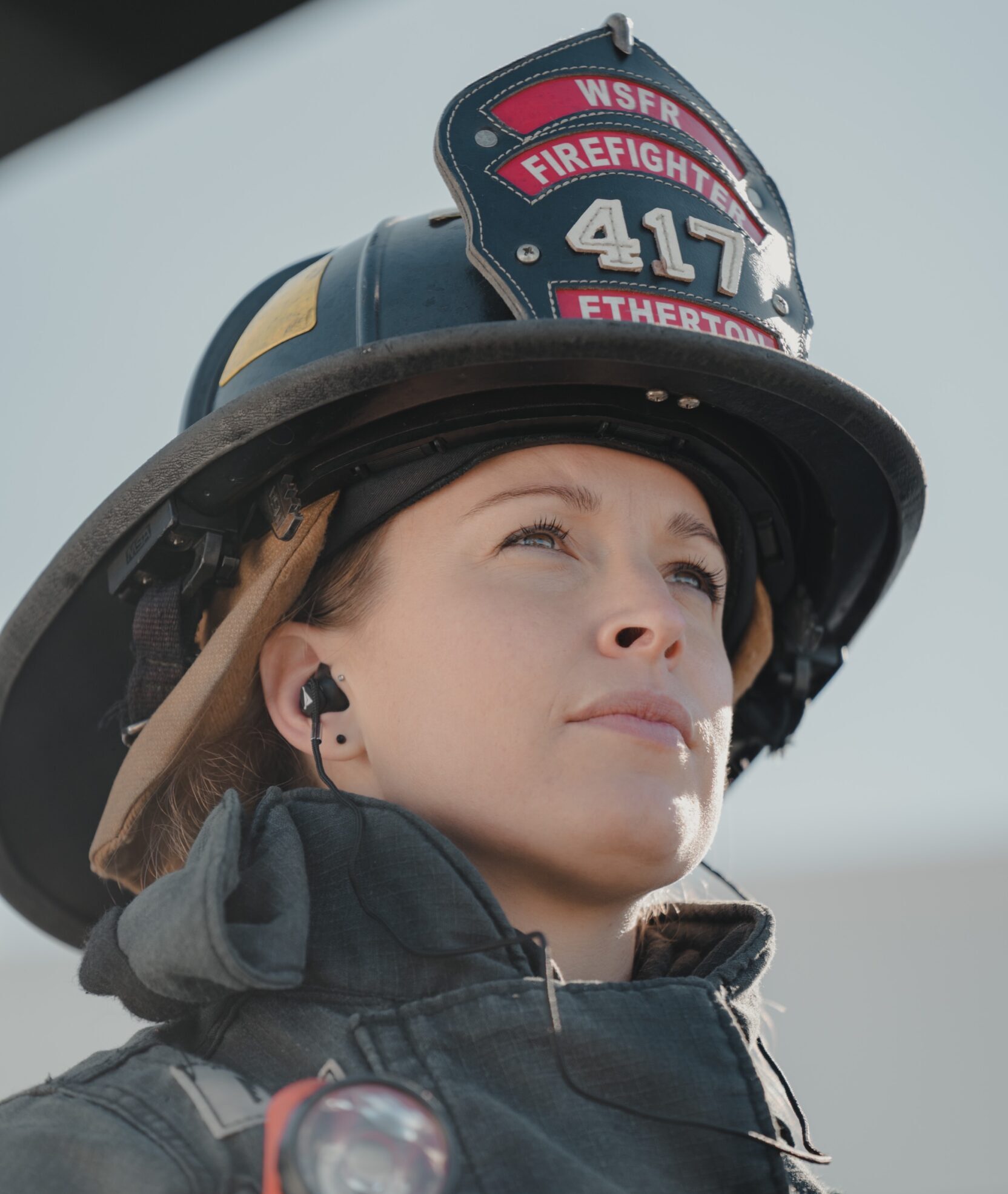
Mindfulness-based resilience training (Christopher et al., 2016; 2018) is designed to enhance resilience and reduce aggression and use of force errors among law enforcement and other first responders. Based on a MBRP framework, it is an 8-week course with experiential and didactic exercises, including body scan, sitting and walking meditations, mindful movement, and other MBRP practices (Bowen et al., 2011).
Course Format: Weekly classes last 2 hours, and the seventh week is an extended 6-hour class. Each class contains experiential and didactic exercises, as well as discussion and homework. Content and language of experiential exercises were altered to be more relevant to first responders, and much of the curriculum is focused on learning strategies to manage stressors inherent to this type of work. These include critical incidents, chronic stress, and public scrutiny, as well as interpersonal, affective, and behavioral challenges in first responders’ personal lives. Didactic learning is much more prominent than in most other MBIs. This was found to be very helpful for first responders as they sought to enhance their intention to endure the challenges of the training.
“While exposure to trauma and stressors is an inherent part of a police officer’s job, programs that teach them to relate to these experiences more skillfully may help reduce the harmful effects of stress on their behaviors with the diverse citizens they serve.”
An additional adaptation, in the tradition of typical first responder meetings, is the inclusion of a debriefing at the conclusion of each class, in which participants ask questions and give frank feedback about the class. The mindful encounters exercise is a derivation of the martial arts exercises (e.g., conversational Jujitsu) used in the MBSR curriculum to practice mindful interpersonal conflict. The exercise is framed as an important skill to be used when interacting with others. In another exercise, reactivity awareness, participants settle into a sustained, reclined breath- awareness practice, and then with verbal instruction to sustain awareness, a 911 call center recording with emergency audio tone is played for 60 seconds and then turned off. Participants are cued to continue sustained attention to body sensation and breath for a few more minutes, helping them gain an experiential sense of stress physiology. In addition, participants are invited to include a component of mindfulness during their regular exercise regimen, such as running, swimming, or biking, as part of their mindful movement homework.
While exposure to trauma and stressors is an inherent part of a police officer’s job, programs that teach them to relate to these experiences more skillfully may help reduce the harmful effects of stress on their behaviors with the diverse citizens they serve. An important training practice is LKM, through which officers develop kindness and warmth for themselves and members of the communities they serve. Given the injustices communities of color are suffering, it is important for police officers to develop connections and an understanding of the humanness of people in these communities.
References
Bowen, S., Witkiewitz, K., Chawla, N., & Grow, J. (2011). Integrating mindfulness meditation and cognitive behavioral traditions for the long-term treatment of addictive behaviors. JCOM,18(10), 473-479.
Christopher, M. S., Goerling, R. J., Rogers, B. S., Hunsinger, M., Baron, G., Bergman, A. L., & Zava, D. T. (2016). A Pilot Study Evaluating the Effectiveness of a Mindfulness-Based Intervention on Cortisol Awakening Response and Health Outcomes among Law Enforcement Officers. Journal of Police and Criminal Psychology, 31(1), 15-28. https://doi.org/10.1007/s11896-015-9161-x
Christopher, Michael S., Hunsinger, M., Goerling, L. Richard J., Bowen, S., Rogers, Brant S., Gross, Cynthia R., Dapolonia, E., Pruessner, Jens C. (2018). Mindfulness-based resilience training to reduce health risk, stress reactivity, and aggression among law enforcement officers: A feasibility and preliminary efficacy trial. Psychiatry Research, 264, 104-115. https://doi.org/https://doi.org/10.1016/j.psychres.2018.03.059
Hunsinger, M., Christopher, M., & Schmidt, A. M. (2019). Mindfulness Training, Implicit Bias, and Force Response Decision-Making. Mindfulness, 10(12), 2555-2566. https://doi.org/10.1007/s12671-019-01213-8


Leave a Reply