“Appropriation is derived from the Latin word appropriare, or to make one’s own, which is from the Latin root proprius, to own property, and cultural appropriation highlights the borrowing of ideas, practices, and sacred philosophies from other culture by another group that has more resources (Surmities et al., 2017).”
What is “correct” Mindfulness?
Amidst the rising promotion of the “hustle culture” in the West, mindfulness has taken a front seat. While mindfulness was adopted from East Asia, with given standard principles and ethical regulations of its practice, people seem to have their own ways and predefined outcomes when engaging with mindfulness. From corporations to schools to mental health settings, everyone advocates for mindfulness to “think positive”, “gain control”, and “improve mood.” These blurred, individualistic Western definitions of mindfulness often deviate from the original Buddhist principle of enlightenment and acceptance, making it difficult for practitioners to acknowledge the cultural roots of the practice. With the rising popularity of mindfulness in American culture, the canonical Buddhist terminologies were muted and replaced with more secular-sounding scientific and commercial linguistic frames (Woodhead, 2015), which helped to attune the practice to the population’s needs. This adaptation led people to consider mindfulness a secular, goal-oriented technique that provides therapeutic benefits. On the contrary, mindfulness has historically been cultivated within a sangha to gain insight into the true nature of reality to attain enlightenment and reduce suffering for oneself and others.
‘Mindfulness’, as described in the 21st century, is “paying attention in a particular way: on purpose, in the present moment, and non-judgmentally” (Kabat-Zinn, 1994). The history of mindfulness can be traced back to the Buddhist sacred texts, especially the “Satipaṭṭhāna Sutta” or “The Discourse on the Establishing of Mindfulness.” About 2500 years ago, Buddhism was born in Northern India when a man named Siddhartha Gautam started sharing his teachings with the public. He eventually became known as the “Buddha” or the “awakened one”. Buddha was known to have achieved liberation from suffering, and his teachings were just a way for people to achieve liberation. Out of all his theories, the most prominent ones are called the Four Noble Truths.
1) The Existence of Suffering (Dukkha), the first Noble Truth, acknowledges the existence of suffering by all human beings.
2) The Cause of Suffering (Samudaya), the second Noble Truth, identifies the cause of suffering as craving and attachment.
3) The cessation of Suffering (Nirodha), which is the third Noble Truth, provides hope by stating that it is possible to end suffering by refraining from the origins of suffering.
4) The path to the cessation of Suffering (Magga), the fourth Noble Truth, provides a path that leads to the cessation of suffering. The Buddha highlights the Noble Eightfold Path, a set of eight interconnected principles that lead to a life free from suffering. The Noble Eightfold Paths are – Right Concentration, Right Mindfulness, Right View, Right Thought, Right Speech, Right Action, Right Livelihood, Right Effort.
One of the prominent factors in Buddha’s Noble Eightfold Path is “Right Mindfulness” (Samma sati). This seventh factor proposes that mindfulness is not an ethically neutral practice and instead requires a deliberate ethical prejudgement of what is considered skilful (kusala) and unskilful (akusala) (Kang & Whittingham, 2010). The term ‘right’ signifies that the practice has some fundamental principles, which, when followed, lead to reduced suffering for self or others. This essentially signifies that to practice mindfulness in alignment with Buddhism, it’s crucial to have an ethical judgment and understanding of the practice.
“Unfortunately, today’s Western mindfulness practice often gets translated into an individualistic technique that is highly outcome-oriented.”
How culture impacts mindfulness practice
The distinction in how one perceives the practice and goals of mindfulness can also be attributed to cultural factors, which often shape people’s beliefs, behaviors and practices. Decades of research on cultural psychology delineates how the idea of “self” is situated within a larger social context. For instance, while the West may focus more on ‘individuality’ and ‘independence’, the East focuses more on ‘interdependence’ and ‘social connectedness.’ Interestingly, this underlying idea of ‘I’ vs ‘We’ also perpetuates mindfulness in the Western community. Primarily, it’s crucial to acknowledge that the Buddhist principles of mindfulness promote sharing the practice with a sangha or a community setting. It is not an isolated or solitary technique meant to explore periods of silence; instead, it is an ethical, spiritual practice aimed towards spiritual transformation with an ultimate goal towards liberation. The Buddhist goals are not for the “self” entirely but instead for the betterment of civilization through mindfulness (Ishikawa, 2018). Unfortunately, today’s Western mindfulness practice often gets translated into an individualistic technique that is highly outcome-oriented.
Practicing ‘Right Mindfulness’
Marketing mindfulness, as a ‘problem-solving’ technique, promotes it as an all-purpose practice to reduce stress, increase work productivity, and tackle sleep issues, among a host of outcomes – all of which deviate from the main purpose of seeking liberation. This goal-driven approach often strips away the meaning and non-judgmental acceptance of the present moment, ultimately making ‘feeling better’ the primary goal. While it’s encouraging to witness people actively engage in mindfulness for their self-growth, engaging in the practice “ethically” is equally crucial while being mindful of the practice holistically and not just contextually. Learning the core of the Buddhist principles of mindfulness opens the possibility of connecting people with culturally appropriate practice.
Surmitis, K. A., Fox, J., & Gutierrez, D. (2018). Meditation and appropriation: Best practices for counselors who utilize meditation. Counseling and Values, 63(1), 4-16.
Woodhead, L. (2014). Tactical and strategic religion. In N. M. Dessing, N. Jeldtoft, J. S. Nielsen, & L. Woodhead (Eds.), Everyday lived Islam in Europe (pp. 9–22). Farnham, U.K.: Ashgate.
Kabat-Zinn, J. (2003). Mindfulness-based interventions in context: past, present, and future. Clinical Psychology: Science and Practice, 10(2), 144–156. doi:10.1093/clipsy/bpg016.
Kang, C., & Whittingham, K. (2010). Mindfulness: A dialogue between Buddhism and clinical psychology. Mindfulness, 1, 161-173.
Ishikawa, M. (2018). Mindfulness in western contexts perpetuates oppressive realities for minority cultures: The consequences of cultural appropriation. SFU Educational Review, 11(1).
Dr. Eric Garland, PhD, LCSW is Presidential Scholar, Associate Dean for Research, and Professor in the University of Utah College of Social Work, Director of the Center on Mindfulness and Integrative Health Intervention Development (C-MIIND), and Associate Director of Integrative Medicine in Supportive Oncology and Survivorship at the Huntsman Cancer Institute. Dr. Garland is the developer of an innovative, multimodal mindfulness-based intervention founded on insights derived from cognitive, affective, and neurobiological science, called Mindfulness-Oriented Recovery Enhancement (MORE).
How did you first become interested in studying mindfulness?
I had a personal practice of mindfulness when I was in college pursing my bachelor’s degree in psychology. At that time, I was very interested in comparative religion, philosophies of mind, as well as anthropology. Along with my personal meditative experiences, I also had exposure to alternative systems and philosophies for understanding the world, like Buddhism, Advaita Vedanta, Taoism, and various shamanistic cultures. These learning experiences gave me a true passion for the idea that a person could access absolute and relative truths by training his or her mind to engage in a different way of seeing and experiencing the world.
In the beginning, mindfulness was mostly a personal pursuit. To be honest I didn’t know that there was a scientific study of mindfulness for quite some time. In my early career I was working as a therapist and I had begun to use meditative techniques with my clients to help them deal with addiction, anxiety, and depression. This was at a time when a few folks out there were practicing a combination of psychotherapy and meditation, but it wasn’t nearly as prevalent as it is now. There were no real formalized mindfulness-based therapy approaches. So I began to experiment how to integrate meditation into my practice as a clinician.
It wasn’t until later when I decided to pursue my doctorate that I discovered there was a whole emerging research world focused on mindfulness. By serendipity I was plugged into an NIH-funded research study of mindfulness as a treatment for irritable bowel syndrome that was being run by Susan Gaylord at UNC’s Program of Integrative Medicine. She kindly took me under her wing and trained me to be a mindfulness researcher. She taught me the tools of the trade. Ten years later here I am.
Do you maintain a personal practice? If so, how has that informed your career focus?
I do maintain a personal practice, and also continue to use mindfulness to treat patients in clinical settings. Both my personal and clinical practice of mindfulness have been extremely productive in helping me in develop new models of mindfulness, understanding the therapeutic mechanisms involved, and ultimately discovering how this may be helpful to other people.
A lot of my research has been focused on teaching mindfulness to patients with little to no experience with mindfulness meditation practices. I think the experience of prolonged contemplative practice over the years can reveal deeper states of consciousness that a novice is unlikely to experience in the context of a standard 8-week therapeutic mindfulness intervention. I think it’s essential that a scientist who is pursuing this field has a personal mindfulness practice, and ideally also experience teaching mindfulness to others.
A lot of my hypotheses, which I have then gone on to test in my research and found support for in my data, emerged from my own mindfulness experience or my experience sharing mindfulness and mediation techniques with patients. There are parts of my own personal practice that I have yet to study because there are related to the deeper layers of mindfulness and contemplative practice that may not be appropriate for research.
Image via Pixabay
Do you think we have the tools and the technology to study those deeper states?
No, in fact I’m starting several new big studies where we want to start looking at the experience that is referred to as ‘non-dual awareness‘ in the context of clinical trials. We’re having a hard time finding any adequate measures, even self-report measures, of that phenomenon, let alone a task that might probe that state. So I don’t think we have yet developed the right tools and technologies to capture the deeper states of consciousness associated with mindfulness practice.
As a field it makes sense why we haven’t pursued that too heavily; we’ve been putting most of our energy into establishing the scientific legitimacy of the field. We’ve been trying to import methods from neuroscience and psychology into the field. This was a necessary stage in the development of contemplative science. Probably over the next coming decade we’ll start seeing measurement approaches that can tap constructs that haven’t been really formally considered in these other fields.
When did you first become involved with the Mind & Life Institute and how did that inform your direction as a researcher?
I first became connected in Mind & Life Institute in 2007 when I was a doctoral student at University of North Carolina- Chapel Hill and I applied to be a part of the Mind & Life Summer Research Institute. I was selected to be a summer research fellow. To be honest, it was a life changing experience for me. I was surrounded by a group of peers who all had an interest in a similar phenomenon in a field that I didn’t even know was a legitimate science. There was a panel of faculty who were some of the most esteemed researchers in the world across a wide range of disciplines and they were all devoting their career to the pursuit of contemplative science.
Long before my involvement in the Mind and Life Institute, I had been introduced to the work of Francisco Varela, who was the progenitor of the Mind and Life Institute. It was very exciting to tap into a whole organization whose intention was to carry on the work of Varela. It was really catalytic for me in many ways. I received a Francisco J. Varela Research Award the next year. It was a $15,000 award and His Holiness the Dalai Lama’s signature was on the award letter. That award funded my dissertation, which was the first study of Mindfulness-Oriented Recovery Enhancement (MORE). I’ve since pursued research on MORE for the past eight years and that line of research has blossomed into multiple multi-million dollar federal grants and a number of studies came out of that. So I’m really indebted to Mind and Life and grateful to have made so many friends and colleagues along the way.
What is Mindfulness-Oriented Recovery Enhancement (MORE)?
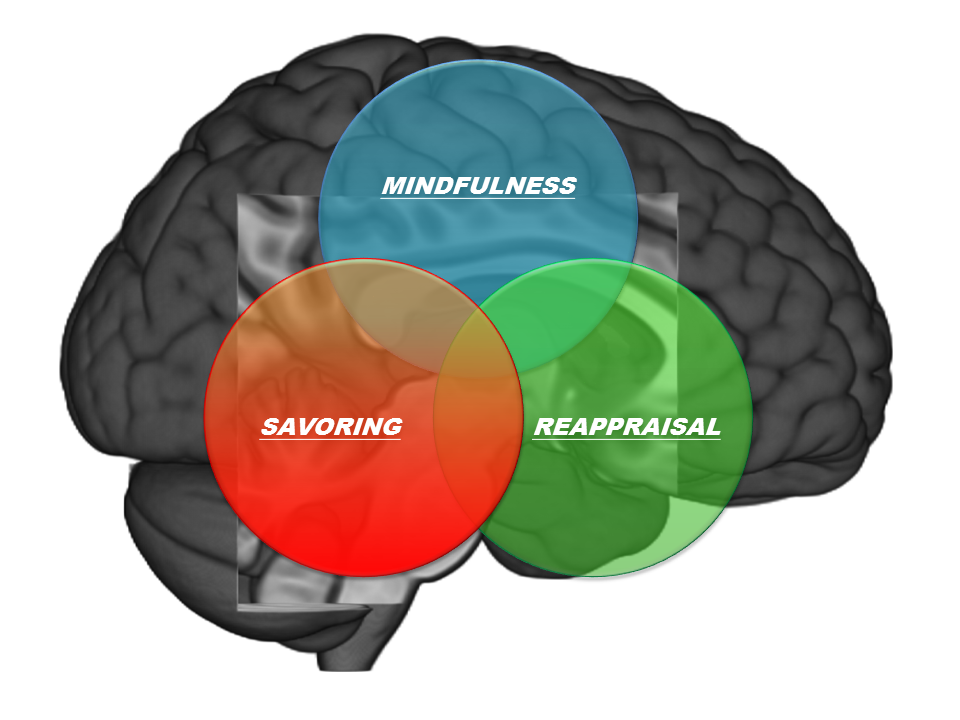
MORE is an integrative therapeutic approach that combines mindfulness training with reappraisal skills and techniques to promote savoring. In that sense, MORE combines multiple traditions; it unites a traditional mindfulness-based intervention approach with some techniques drawn from cognitive-behavioral therapy, and even existential therapy, along with a positive psychology approach that acknowledges the importance of enhancing positive emotion. MORE was designed to ameliorate addictive behavior, stress, and (physical and emotional) pain.
What are the biobehavioral mechanisms of MORE?
I’ve done a number of studies on MORE and the therapy seems to have a wide range of effects on both transdiagnostic mechanisms and addiction-specific mechanisms. Generally speaking, MORE seems to help people enhance their attentional control over automatic habits of fixating attention on negative or threat-related information. The data is showing that participants in MORE become better able to disengage and become less fixated on stressful information and consequently gain greater autonomic nervous system regulation in the face of negative emotional information. In other words, if a person is confronted with stressful stimuli or drug-related stimuli, they evidence heightened heart rate variability responses when they are paying attention to these stimuli. This physiological marker seems to indicate that through MORE patients become more flexibly able to engage and disengage their attention from these stimuli – and thereby are better able to regulate their reactions.
The data also seems to suggest that MORE increases sensitization to natural reward. What I mean is that over time people who participate in MORE seem to extract more pleasure out of healthy objects and events in their lives through the use of mindfulness as a tool to enhance savoring. Across several published and unpublished studies, we are discovering that increasing sensitivity to natural reward through MORE may lead to decreased craving for drugs – a completely novel and radically important finding for the field of addiction science.
I also have data from several studies showing that mindfulness appears to relieve chronic pain symptoms by increasing interoceptive awareness. In other words, mindfulness seems to be decreasing chronic pain symptoms by enabling people to pay attention to the sensory qualities of their pain rather than being fixated on the emotional aspects of pain. So in MORE for the treatment of pain, we teach patients to focus their awareness on pain. Rather than distract themselves from pain, we encourage patients to explore pain and to break down the experience of pain into its parts. So rather than think of low back pain as a terrible anguishing experience, we train patients to focus on the sensation of heat, tightness, and tingling in the back. In doing so they may find spaces inside of the pain sensation that don’t hurt at all or they might even find some pleasurable sensation in the body proximal to the pain.
Some people with chronic pain may develop beliefs or schemas about how their pain is and how their body feels, and then they start to feel their assumptions, beliefs, and thoughts about the state of their body more than the actual physiological condition of the body – which is in fact always changing. By tuning interoceptive awareness into the pain experience, mindfulness seems to undo this process to alleviate pain. In many of chronic pain cases, there are no easily defined physiological generators of pain, and no ongoing tissue damage. Yet, over time, the patient may come to perceive uncomfortable sensations in the body that might actually be harmless or innocuous as being threatening and dangerous. In MORE we try to reverse this process.
The proposed cognitive mechanisms of MORE
“Across several published and unpublished studies, we are discovering that increasing sensitivity to natural reward through MORE may lead to decreased craving for drugs – a completely novel and radically important finding for the field of addiction science.”
MORE has been used to treat chronic health, mental health, and addiction related issues. How can mindfulness be one therapeutic tool to address all of these conditions?
We need to take a transdiagnostic approach to understand how to alleviate human suffering. Across various forms of suffering, there are some crosscutting mechanisms for processes that create suffering regardless of diagnosis. Let’s take one process: stress reactivity or sensitization to threat. We see sensitization to threat in anxiety, trauma, depression, and chronic pain – in which the threat might be from sensations in the body. Prolonged use of addictive drugs or repeated exposure to stress and trauma can dysregulate stress systems in the brain and can increase sensitivity to stress. This mechanism of stress sensitization is a transdiagnostic mechanism that cuts across disorders and is common to many conditions that cause people suffering.
Another transdiagnostic process that I’m interested in is reward insensitivity. This phenomenon is also found in depression, PTSD, chronic pain, and addiction. Individuals suffering from these problems can become less able to experience natural pleasure from healthy and pleasant events, people, and experiences in everyday life. Because individuals may have this lessened ability to extract the sense of joy from everyday life, this deficit may lead them to seek a sense of well-being through self-destructive coping behaviors, such as overindulging in food, alcohol, drugs, gambling, cutting, etc. Reward insensitivity is another important transdiagnostic mechanism to be targeted by mindfulness. Mindfulness is likely very useful for targeting multiple transdiagnostic mechanisms because it seems to have broad-spectrum effects.
Do you see mindfulness-based interventions as a primary therapy or as an adjunctive therapy?
In the case of chronic pain and opioid misuse, what society is faced with is a large number of patients are currently take opioids for pain- that is the medical intervention that they were given by the health care system. Patients who have had Mindfulness-Oriented Recovery Enhancement incorporated into their overall health care plan may experience improvements with pain and stress, and also reduce their misuse of opioids and possibly their dependence on opioids.
In the future, it’s possible that policy changes focused on reducing opioid misuse will vastly alter the treatment of chronic pain. Rather than being prescribed medication, people with chronic pain will be prescribed meditation – that is a future that I can envision.
We’re not quite there yet. Ideally, the doctor would prescribe a person with acute pain a limited amount of opioids, but also incorporate a mindfulness-based intervention as well as an exercise and nutrition program into the patient’s treatment plan. An integrative medicine approach would be built into the front end of the treatment plan. This could prevent a lot of problems and suffering down the line.
Your studies incorporate cognitive, affective, and social neuroscience. Given your background in social work, this might surprise people. Do you feel that the questions you study require an interdisciplinary approach or is this unique to your approach as a clinical scientist?
Up to this stage in my career, I’ve employed methods from cognitive and affective neuroscience, particularly psychophysiology. I incorporate tasks like the dot-probe task to measure attention biases to emotional information. I’m essentially self-taught; I taught myself psychophysiology in an independent study led by Barbara Fredrickson, Ph.D., while I was a doctoral student at UNC. In terms of doing more complex neuroscience, like the use of fMRI, or molecular neuroimaging using PET, we do need interdisciplinary partners. Going forward, I will definitely be collaborating with others.
I just received a new grant from the National Center for Complementary and Integrative Health that will be using molecular neuroimaging of MORE to look at its effects of neurotransmitter function with my Co-PI Jon-Kar Zubieta, MD, PhD, Chair of Psychiatry at the University of Utah, who is a pioneer of the use of PET to look at endogenous opioid function in the brain during the experience of pain.
What is Mindfulness to Meaning Theory?
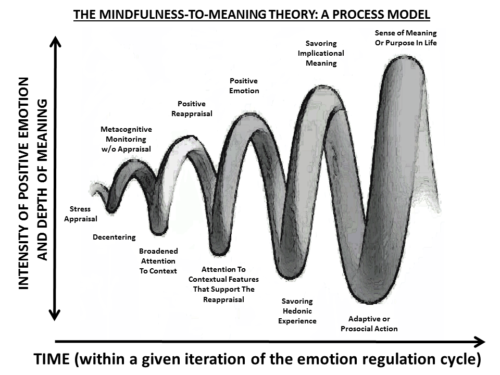
Essentially, Mindfulness to Meaning Theory attempts to explain how the acute state of mindfulness that is generated when a person sits down on “the cushion” to meditate might impact one’s sense of meaning in the face of adversity. It aims to answer the question: How does the acute, ostensibly non-judgmental, non-discursive state of mindfulness have positive influences on the discursive, language-based narrative, our autobiographical sense of meaning in everyday life? This whole idea emerged out of the observation that patients benefit from doing mindfulness meditation by not only increasing clarity, and decreasing stress, but also experiencing more complex cognitive and meaning-based benefits, such as a greater ability to reframe the stressors and adversities in their lives. Many patients participating in mindfulness-based interventions come to see these adversities as learning opportunities to grow stronger as a person and to become more compassionate.Their formal practice of mindfulness meditation was benefiting them in broader, more abstract ways than mere stress reduction. This makes sense, because if people were only benefiting from the ten minutes that they were on the cushion focusing on their breathing, mindfulness wouldn’t be a very meaningful pursuit.
The reason why we practice mindfulness is because it has a broader impact on our lives and our sense of self. Mindfulness seems to have an impact on our life story, the way we define ourselves, and the way we understand the opportunities and the challenges that we face in life. There was no scientific model to really explain that process in a fine-grained way. I think the reason for that oversight is that the field has invested a lot into answering the questions of what ‘mindfulness’ is, what is happening when someone sits down and practices mindfulness meditation, and what is happening in the brain. There has been less attention paid to how the acute state of mindfulness blossoms into these more longitudinal and broader impacts on a person’s life, and life story, and self-concept. These abstract concepts are harder to define and measure. For a variety of reasons, there’s been less attention paid to them.
The definition of mindfulness that was put forth by Jon-Kabat Zinn has directed the type of questions that contemplative scientists have been asking. And while a seminal contribution, this definition has left a vacuum; for example, in defining mindfulness as “non-judgmental awareness,” we haven’t asked the question of how mindfulness affects our judgments. There are people who will tell you that mindfulness doesn’t affect judgment because it’s a non-judgmental process. But I’m pretty sure as a mammal that it’s impossible to shut off judgment completely. Would we want to do that? There are a lot of positive judgments made in life; we use our judgments to navigate the world, to build relationships, and define our sense of ethics and values. And if you go back and look at the traditional Buddhist systems from which a lot of these mindfulness practices derive, they don’t seem to abstain from non-judgmental perspectives in the least. To the contrary, within the Noble Eightfold Path, for example, there is ‘right action,’ ‘right speech,’ ‘right intention,’ and so forth. ‘Right’ implies wrong. There’s a judgment there. What is correct, what is wholesome?
In these Buddhist systems there is a huge focus on wholesome qualities. And defining a quality as wholesome implies that there are unwholesome qualities. Implicit in these spiritual systems was a sense of making judgments and discriminations to identify what is a wholesome way to live in the world. Mindfulness was traditionally used as a tool to help gain insight into those positive judgments. Given that history, I developed that Mindfulness to Meaning Theory to help explain how the acute state of mindfulness can help an individual make helpful evaluations of their own sense of self and the world around them so as to experience their life as more meaningful.
“Rather than being prescribed medication, people with chronic pain will be prescribed meditation – that is a future that I can envision.”
Mindfulness to Meaning Theory: A Process Model
What is the newest development in the science of mindfulness that excites you?
I’m really excited about the Mindfulness to Meaning Theory. Some recent clinical trial work by Philippe Goldin and James Gross shows that mindfulness training increases reappraisal and that cognitive-behavioral therapy (CBT) increases mindfulness. We like to think of these interventions as being distinct with distinct therapeutic mechanisms. But in fact, in these well-controlled studies in patients with social anxiety, Goldin and Gross found that mindfulness helped people change the way they think about their life situation – which provides some of the strongest evidence for the Mindfulness to Meaning Theory yet. Furthermore, CBT helped people become more mindful. From a transdiagnostic and transtherapeutic perspective, these different treatment approaches can promote mental well-being through common pathways.
In terms of technologies and methodologies, I think that the use of molecular neuroimaging to study the effects of meditation practice on neurotransmitter function is an exciting new development. There’s almost been no work in that area.
Lastly, for a long time I have been fascinated by studies of the effects of mindfulness meditation on gene expression. There is a body of work studying the changes in gene expression that drive changes in protein synthesis, which provide a pathway by which a psychological intervention might change the function of the body. This technological approach provides a means of testing some of the most time-honored theories of the mind-body relationship.
If you were to win a Nobel Prize, what would you want it to be for and why?
If I were to win the Nobel, it would be on this idea: If addiction involves a process by which the individual becomes increasingly insensitive to natural pleasure which drives them to take higher and higher doses of the drug just to feel okay, then if we can teach people to extract pleasure out of everyday life, might it reverse the addictive and interrupt dependence on drugs?
We’re pretty clear now in terms of the neurobiological mechanisms by which this reward dysregulation occurs in the mesocorticolimbic dopamine system. We believe this mechanism is partially located in brain in the ventral striatum, which in addiction becomes hypersensitized to drug-related cues and becomes insensitive to naturally rewarding pleasures.
So clinically, if we can show that teaching mindfulness can promote savoring of the natural beauty of life, and that this savoring process seems to undo craving and addiction, I would hypothesize that we would see that same shift in the brain specifically reflected in the ventral striatum, and more broadly across the mesocortical dopamine and endogenous opioid systems. Through mindfulness training, as the brain becomes less sensitive to drug-related cues, it may become more sensitive to natural pleasures in life.
Do you have any advice for aspiring scientists hoping to pursue a career in science?
Science is a rough game. One should not enter into this field without recognizing that. Yet, the scientific profession is joyous because it provides the opportunity to live the life of the mind. My advice to aspiring scientists is often this: don’t pursue merely what interests you. Instead, you should ask yourself, “What are the pressing questions from a societal perspective? What are the needs of society right now?” Based on what society needs, and based on your assessment of those problems, you work to use science to generate solutions to those problems. If an aspiring scientist directs his or her scientific career along those lines, then he or she will have more of an impact on the world, and also have an easier time obtaining funding and a faculty position.
The other important reason to pursue science is for pure discovery. From a practical perspective, I think it is very hard to build a career to do science for the purpose of pure discovery. Funding in science is so tight right now that funding is going for the most pragmatic applications and questions rather than the grand metatheoretical questions. I think it would be hard to pursue a scientific career in those domains – though it is certainly a worthy endeavor. But I think a fruitful and meaningful path may open up out of asking yourself “What are the needs of society and how can science be applied to address those questions?”
Dr. Eric Garland in his laboratory
Keep up with Dr. Garland’s latest groundbreaking work by subscribing to his website.
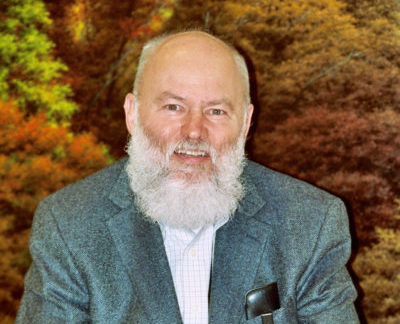
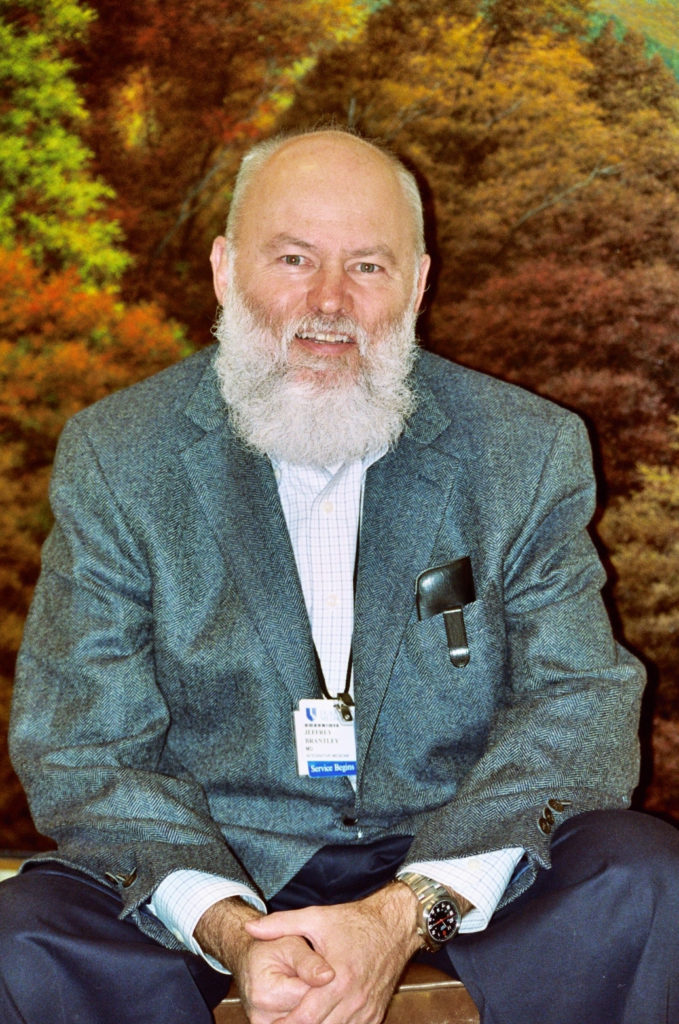
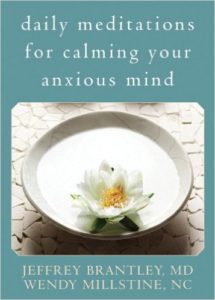
Jeffrey Brantley, MD, is one of the founding faculty members of Duke Integrative Medicine, where he started the Mindfulness-Based Stress Reduction program in 1998. He served as a member of The Community of Scholars of the Center for Spirituality, Theology, and Health at Duke University for academic years 2009 and 2010. Dr. Brantley is the author of Calming Your Anxious Mind: How Mindfulness and Compassion can free you from Anxiety, Fear, and Panic and is the co-author with Wendy Millstine of the Five Good Minutes series, Daily Meditations for Calming Your Anxious Mind; and True Belonging: Mindful Practices to Help you Overcome Loneliness, Connect with others & Cultivate Happiness.
How did you develop an interest in mindfulness?
I had a lot of good fortune when I think about that. I was a psychiatry resident at Irvine in 1979 and one of our faculty there, Roger Walsh, M.D., Ph.D., was offering a course in transpersonal psychology. He was my first mindfulness teacher; he held seminars on mindfulness and taught us some basic meditation techniques. It hit home right away to stop, notice, and be present. Back then, I didn’t really have the language to know exactly what was going on but I knew that it was a really good thing. I valued growth and self-awareness because of my training in psychotherapy and my own participation as a patient in a psychotherapy group. I came to appreciate the value of the inner life. To have an actual contemplative practice that illuminated that was very helpful.
MBSR is shorthand for Mindfulness-Based Stress Reduction, which is an educational training that helps people bring mindfulness forward in their life in service of their health and well-being. It was the first mindfulness-based health intervention developed in the Western world by Jon Kabat-Zinn at UMass Medical Center. Jon Kabat-Zinn was a student of Zen and he began to observe the great amount of suffering and pain in both the patients and the staff while he was working at the hospital. He found a way to approach that suffering from the framework of stress in Western medicine. His insights led to a creation of a model that teaches people mindfulness; mindfulness of breath, body, emotions and their contexts. The model trains people in several techniques of mindfulness over an 8- week period in order to help people understand how much each of us contribute to the alarm and stress that we experience in so many situations.
It’s an educational model so it’s open to anyone who wants to manage their own stress and well-being. In my experience, participants are as young at eighteen and there is no upper limit, as long as the person is physically and mentally capable enough to participate. I’ve had people in their nineties take the class, although the typical range include people in their 20’s-60’s. Although there are many mindfulness-based therapies that are derived from the MBSR model, MBSR itself is an educational experience. People come for all kinds of reasons. Some participants are healthy and some have terminal illnesses, but most are somewhere in between.
What are the benefits that MBSR participants report?
In the early days of MBSR, people would self-report more peacefulness, better sleep, less pain interruption in their life, and improvements in relationships. In recent years, the research has detailed more of the benefits of the practice. Currently, researchers find subjective reports of improvements in a variety of stress-related factors like anxiety, depression, anger, distress, and stress as well as objective physiological changes in people who practice. For instance, research now studies the how certain brain waves change as a result of practice and how those changes reflect states of their subjective experience. Also, new research demonstrates changes in gene-expression in meditators, notably in telomeres and telomerase, and the degradation of the chromosomes; there might be positive impact in meditation in the enzyme that reduces the degradation. Other exciting research examines the positive impact of gene-expression on inflammation, the improvements in cortisol response to stress, and other biological stress markers. There are biological changes now linked with subjective reports of well-being.
Photo by Kelvin Valerio from Pexels
Are the benefits uniform for everybody, or do some people derive more benefits than others? If so, what accounts for that?
That’s the million dollar question! According to what I can tell from the meta-analysis and the conversations with professional researchers, there is data that suggest that mindfulness practices offer a host of benefits. That doesn’t mean that everyone who practices experience the same degree of improvement. Some people don’t participant as thoroughly- people have to do the meditation. Like exercise, those who don’t practice as much won’t have the same degree of benefit.
It’s not as simple as that though, there’s an interesting dimension being studied, referred to as trait mindfulness- how much natural awareness people have. According to psychologists, the amount of trait mindfulness varies with people. Some people are more awake, alert, and present than others are. So if someone like that participates in the MBSR class, they already score so high on the mindfulness trait scales that it doesn’t look like they gain much mindfulness from the course. However, they might gain an understanding in terms of being able to manage their stress better and give language to the experience. The measures might not show a significant shift. It wouldn’t be because they didn’t practice, but because they already started with a high degree of trait mindfulness. It’s a complex question.
Are there any participants that find MBSR too difficult to complete? What are some of the challenges that they face?
Again, it’s complicated. Some people aren’t ready for the personal commitment. We ask them to meditate up to an hour a day and many people are just so busy that they can’t find the time. But if people find even half an hour to practice informally, they can benefit. One of the red flags that we screen for in our program is substance abuse; if someone is managing their pain with drugs, and they might be high some of the time, they need to get sober before they can be fully engage with the course. The question becomes whether people aren’t finding time to practice because they are too busy, or if they really are practicing but their consciousness is impaired. In other instances, if people have poorly managed mental illness, such as mania, they may not be able to manage the type of discipline. They would have to get that under control first in order to have optimal success in the class.
As a teacher of MBSR, would you ever advise a struggling participant to drop out or would you encourage them to continue?
It’s a case by case issue. I would advise against continuing if the participant was too sick. I had a client who was hospitalized and wasn’t feeling well when he returned. He missed a few sessions and we encouraged him to get well and come back when he was physically able. So medical, psychological, and also family issues might interfere with a participant’s full engagement with the class. If these issues disrupt their personal exploration and practice, we would recommend that they resolve that before returning to us.
In recent years there has been more scientific evidence in support for the health benefits of mindfulness-based interventions. How can we increase knowledge of these mindfulness-based interventions among more traditional medical providers?
That’s another million dollar question! The history of the science of mindfulness, as I see it, hasn’t been centralized on a certain population in a certain context. It’s not like the focus on cancer where the problem is substantially funded. Within medical specialties and groups, their own leaderships and associations have the responsibilities to keep up with trends. There is more coverage now- trainings, conferences, journals- it might be a slow process, but now there’s more penetration now than ever. For example, one of my medical school classmates has been a practicing physician for 40 years but was generally unaware of mindfulness. He heard things about mindfulness but it was never clear. More evidence-based research will be needed to demonstrate its application to more clinical populations and in more contexts.
Can you give me any example of a research study that is making mindfulness more accessible to medical populations?
I’ve been involved with an interesting study at Duke University in which family medicine providers are testing a model called ‘Shared Medical Appointments’, where patients with the same basic diagnosis are treated together in a group. You combine the time allocated to each single patient for a more comprehensive session with all patients together at the same time. The advantage of that is that providers don’t repeat the same information each time and also they can deliver the pertinent information in the first half of the session. With the rest of the time, they can devote more attention other questions the patients might have.
This study is an R34 grant to study a mindfulness-based training in a ‘Shared Medical Appointment’ model for obese Type 2 diabetic patients. This is a great example of creative solutions on the clinical side. They have pilot data that shows that the patients and the doctors were receptive to the format; everyone felt they had plenty of time with their doctors, they could talk and communicate better, and they were able to learn techniques in stress reduction. There were very positive outcome in the pilot data.
What has been the most rewarding part of being a teacher of mindfulness over the years?
Similar to what drew me into medicine in the first place, I think the most rewarding part is trying to have some sort of impact on helping people reduce their suffering and become healthier and happier. I try to encourage people to practice mindfulness and support them to work with what’s happening. What I find most rewarding is just to see how people change when they let mindfulness into their lives, the beautiful stories. Some of it is what they were hoping for- maybe their blood pressure goes down, maybe they sleep better- but so much of the beauty of it are things they never even imagined; maybe they communicate better with their children, or perhaps they discover something about being alive that they haven’t really expected because they haven’t been paying close attention, like the beauty of their garden. It’s that sense of wonder, ease, and joy that turn on in people- that’s one of the sweetest pieces of it!
Photo by Oluremi Adebayo from Pexels
“…Deepen your own personal practice the best you can, including retreats and personal practice. Let that guide you.”
What does the future hold for the science? What more is there to learn?
There is a lot to be learned about gene-expression and how the mind body interfaces at that level, as well as brain function. We know the brain shifts its pattern activity and even its morphology, depending on how we use our brain. So we also know that contemplative practices, like mindfulness meditation, can direct the brain to function in certain patterns and activity. There’s a lot to learn about the patterns of connectivity and also understanding the translation of the objectives measures of brain function into subjective experience. I think from a scientific and neuropsychological view, those are exciting prospects.
We now have a firm understanding of the mind without the technical blueprint of brain function. And that understanding of course is the teachings of the Buddha, the Buddhadharma, the Four Noble Truths, the Satipatthana Sutta, and the foundations of mindfulness. If you look at those things closely, there’s a great deal of explanation about things like feeling, thinking, and sense of self. But where Western science is excelling is studying the actual functional activity of the mind and the body and how that translates into the moment-by-moment subjective experience of life.
Any advice to aspiring scientists or new practitioners getting into mindfulness?
The advice is the same I heard years ago: deepen your own personal practice the best you can, including retreats and personal practice. Let that guide you.
Mindfulness is not really about ideas; it’s about observed, direct experience. The ideas and thoughts that we have about those direct experiences, and how the world understands that, follow from our own direct observations. So personal practice!
Is there anything else that I haven’t asked you related to work or in general that you would like to share?
I always try to point to the heartful quality related to the mindfulness work. In other words, people know mindfulness is non-judging, present-moment awareness, which in English can sound pretty cold. For those of us who teach mindfulness, the experience that most of us point to is the heartful quality. The warm-hearted acceptance, the willingness to receive and allow the experience and to welcome whatever experience arises. In fact, in some Asian cultures, when talking about the mind, they point to what we would call the heart. There’s a wholesome quality, a dimension to this noticing that is not really about ideas and in the physical head; it’s about a willingness to embrace and include experience without judgment. That really is a heart-based attitude.
“There’s a wholesome quality, a dimension to this noticing that is not really about ideas and in the physical head; it’s about a willingness to embrace and include experience without judgment.”
You can read find more of Dr. Jeffrey Brantely’s teaching in his latest book.
Trying to control your anxious thoughts can backfire, making them more prevalent, not less. The best way to calm these common feelings is by attuning yourself to your thoughts in a nonjudgmental, attentive manner, acknowledging your anxieties but choosing to act rather than react.
From the author of Calming Your Anxious Mind comes Daily Mediations for Calming Your Anxious Mind, a collection of more than sixty-four daily mindfulness-based meditations to help you engage with the present moment, manage stress and anxiety, and rediscover the joy in living. Each meditation contains an easy-to-learn visualization exercise, affirmation, or activity, with meditations grouped into four sections: relaxing and feeling safe, embracing joys and fears, befriending your anxious mind and body, and connecting to the web of life.
Yoga, translated as “union,” is a philosophical science that offers body, breath, and meditation techniques and practices that have demonstrated significant results in the treatment of various physical and psychiatric disorders.
Another age-old technique, mindfulness, similarly attracts attention in the scientific sphere. Mindfulness stems from the Buddhist culture and emphasizes nonjudgmental focused attention of the present moment and acceptance of internal experiences.
Evidence-based scientists have found mindfulness to aid in improvement in coping and self-compassion, reducing stress, anxiety, depression, and obsessive-compulsive symptoms in individuals.
Image by Gerd Altmann from Pixabay
Most patients with severe mental illnesses (SMIs) such as schizophrenia, major depressive disorder (MDD), and bipolar disorder (BD) have found that current pharmacological agents do not aid in attaining complete remission. Additionally, minimal effects on cognitive deficits coupled with adverse side effects of current medications have led scientists to seek out alternative therapeutic modalities such as yoga and mindfulness to aid in the treatment of SMIs.
The current study reviewed the wider scientific literature for the role of yoga and mindfulness interventions in the treatment of SMIs. Sathyanarayanan and colleagues (2019) reviewed scientific literature from the past 10 years that focused on either yoga therapy (YT) or mindfulness-based interventions (MBI) that ranged from 40 to 90 min and 60 to 120 min per session in the YT and MBI groups, respectively.
“The current study concludes with emphasizing the importance of integrating yoga and mindfulness interventions as add-on therapy for major mental health disorders.”
Effects of YT and MBI on schizophrenia and other psychotic spectrum disorders
Both YT and MBI found positive functional outcomes for schizophrenic individuals including better social and occupational functioning, quality of life, achieving functional remission, flexibility of thinking, subjective well-being, improvements in state anxiety, reduction of paranoid beliefs hygiene, life skills, interpersonal activities, and communication. To note, clinicians may want to consider sleep-deprivation or stress derived psychosis and mania before suggesting yoga or yoga-trainings to certain patients (Lu and Pierre, 2007).
YT and MBI in bipolar disorder
The review also examined the effects of YT and MBI on BD. Of those included, YT and MBI were found to improve focusing ability, relaxation, distraction from negative thoughts, a sense of accomplishment, reduction in anxiety and depression, and reduction of negative effects such as agitation with rapid breathing. YT and MBI have also been found to induce a sense of stability in participants that is self-reported to help with managing mood changes and further relapse and facilitate reframing negative thoughts. On the other hand, one study found that heated energetic yoga facilitated patients from hypomanic to manic states and found an increase in depression-like symptoms with meditation, thus further research is required to fully understand how YT and MBI effect BD.
YT and MBI in major depressive disorder
Both YT and MBI have demonstrated significant improvement in depression. Interestingly, YT has also been found to improve anxiety, increase behavioral activation, and increase life satisfaction in depressed patients. Maintenance of positive effects produced require continued practice of mindfulness skills and depressive symptoms appear to be directly related to the baseline magnitude of depression.
Sathyanarayanan and colleagues emphasize that the studies included in this review, similar to the greater body of scientific literature, have several limitations. Some limitations include patients groups initially experiencing low levels of symptom severity before treatment, lack of waitlist control groups, varying frequencies and lengths of time in each session of yoga and mindfulness-based training and practice, and a lack of personalized instruction from a trained yoga therapist. These limitations can be addressed in future research studies.
The current study concludes with emphasizing the importance of integrating yoga and mindfulness interventions as add-on therapy for major mental health disorders. Further systematic studies are needed to study the beneficial effects and potential neurobiological mechanisms to fully understand the clinical application of yoga therapy and mindfulness-based interventions in the treatment of severe mental illness.
The amount of research involving mindfulness interventions has grown exponentially, however only in the last decade has mindfulness research involving adolescents increased rapidly. Mindfulness interventions have been known to exhibit positive health results among adolescents and adults. As these positive health results have become more common, researchers have started to focus on more specific benefits of mindfulness training, namely on working memory.
There has been an increase in the study of the impacts that mindfulness may have on working memory because both involve moment to moment awareness. Existing literature with adult samples suggest that mindfulness meditation may be used to increase working memory capacity (WMC), however, the effectiveness of mindfulness training on improving (WMC) in adolescents has not been investigated. It could be inferred that strengthening WMC among adolescents would be valuable during the developmental stages, where the majority of their day is spent in an educational setting.
Photo by Pragyan Bezbaruah from Pexels
A study led by Dianna Quach investigated the relationship between mindfulness mediation and working memory capacity among adolescents. This study was conducted on students from Southern California between the ages of 12 and 17 years old and designed to investigate whether different interventions impacted working memory better than others. Students were randomly assigned to three different groups, a mindfulness meditation group, a hatha yoga group, and a waitlist control group.
Study results show that the mindfulness meditation group reported significant improvements pre and post intervention in working memory capacity (WMC), while those participants in the hatha yoga and waitlist control group didn’t report any significant improvement in WMC.
The study’s hypothesis that mindfulness meditation was more effective at improving WMC than hatha yoga was supported. The results of this study are provide more evidence that the practice of mindfulness meditation can actively enhance working memory.
“The results of this study are provide more evidence that the practice of mindfulness meditation can actively enhance working memory.”
Potential mechanisms may explain the study’s results. First, meditation requires similar functions to that of (WMC), namely implementing a sustained attention while simultaneously redirecting attention back to the current experience. Second, it is conceivable that learning to practice hatha yoga mindfully may have proven difficult for adolescents, which could have influenced the results. If done so mindfully, hatha yoga may in fact provide similar benefits to WMC.
The results of this study are consistent with the notion that the practice of mindfulness meditation is closely related to the function of working memory and promotes it. Although this study is promising in establishing a positive link between the practice of mindfulness meditation and WMC, further studies need to be conducted in order increase factor generalization. Also alternative intervention timing may need to be incorporated.