Author: Emily Badillo

  • What is Mindfulness-Based Stress Reduction (MBSR)?

    What is Mindfulness-Based Stress Reduction (MBSR)?

    What is Mindfulness-Based Stress Reduction (MBSR)?


    By Emily Badillo
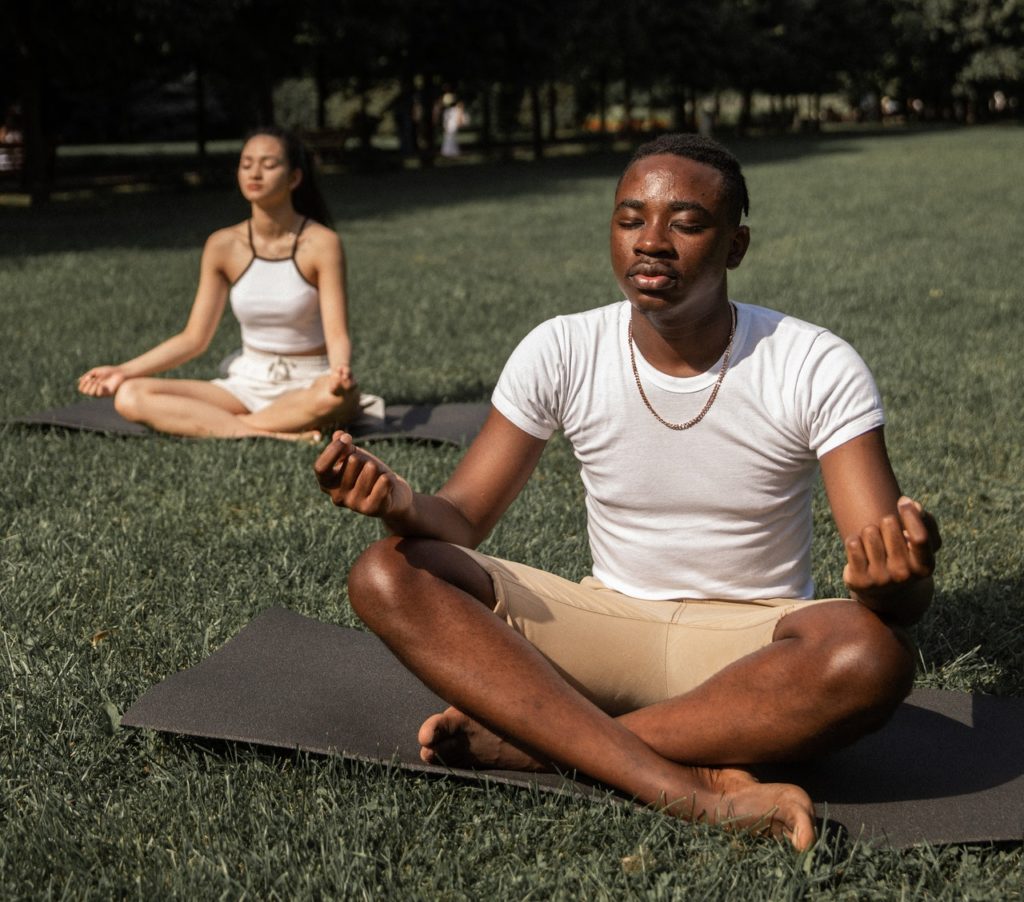

    Gabby K via Pexels

    Mindfulness-based Stress Reduction (MBSR)

    Mindfulness-based stress reduction, also known as MBSR, is an evidence-based group treatment program that was developed originally by Dr. Jon Kabat-Zinn at the University of Massachusetts Medical Center. MBSR was initially designed to teach patients with chronic pain how to cope with their pain using mindfulness meditation and Hatha yoga techniques and has since been expanded to use in participants with chronic stress, emotional or physical pain, and other illnesses and concerns. The MBSR program teaches participants to cultivate an attitude of non-judgmental awareness and detached self-observation via various directed attention techniques. MBSR targets emotional and cognitive components of the pain experienced by teaching participants to observe intense feelings in the body and mind as impermanent events and not necessarily accurate or of more importance than any subsequent thought or experience. Participants learn and practice these techniques in both stationary and movement-based activities. By observing the thinking process itself and redirecting attention back to awareness of the present moment, participants learn to uncouple from the affective and cognitive components of stress and pain, which may result in a reduction of stress reactivity.

    Course Format: The MBSR program follows a manualized protocol in an 8-week, 9-session group format consisting of 15-40 participants per class with 30+ hours of direct classroom contact. The group initially meets for a pre-program orientation session (2.5 hours) followed by brief individual interviews with course instructors (5-10 minutes). Subsequently, participants attend 8 weekly classes (2.5-3.5) hours in duration. An all-day silent retreat is completed during the sixth week of the program (7.5 hours). Formal and informal home assignments consist of mindfulness practices and awareness exercises. At the completion of the course, instructors encourage continuity of mindfulness practices by providing community-based resources and reading materials to participants. Participants are offered the opportunity to enroll in advanced graduate stress reduction programs provided several times per year to sustain their new lifestyle and attitudinal changes and continue to support their health and well-being.

    “By observing the thinking process itself and redirecting attention back to awareness of the present moment, participants learn to uncouple from the affective and cognitive components of stress and pain, which may result in a reduction of stress reactivity.”

    Instructor Requirements: Similar to other mindfulness-based interventions, the MBSR course has formal and informal instructor requirements. MBSR instructors navigate and support participants through mindfulness meditation practices and are thus required to have both personal engagement and an ongoing practice. There are various MBSR teacher training programs with different formalized requirements, yet no one centralized teacher training system exists. Standard pre-requisites of teacher training include participation in an 8-week MBSR course and attendance in a 5-7 day silent teacher-led retreat. Various academic and medical institutions such as Brown University and UMass Memorial Medical Center and the University of California, San Diego School, and individual groups and practitioners offer instructor certification. Although there are many options for training, there does not appear to be a standardized accrediting body and the literature does not expound on this. 

    Course Outcomes: MBSR was designed to increase participants’ present-moment awareness by building insight, compassion, and non-reactivity. According to several empirical studies and meta-analyses, MBSR has been shown to reduce pain intensity, anger, and perceived stress, and improve quality of life and social functioning.

    Clinical Populations: MBSR was designed to be used by adults 17 years and older. MBSR has been scientifically studied and shown to positively affect individuals with anxiety, asthma, chronic pain, diabetes, fibromyalgia, gastrointestinal disorders, heart disease, HIV, Hypertension, Sleep Disorders, and PTSD. MBSR has also been adapted for use with teens, individuals with cancer, and major depressive disorder. While no empirically-based guidelines exist with regards to contraindications, participants should be screened on a case-by-case basis for current drug or alcohol abuse, psychopathology, and post-traumatic stress disorder to determine if they are receiving appropriate treatment by a qualified practitioner for any of these conditions, given that MBSR is not a form of group psychotherapy nor a peer support group. Instructors may refer potential participants to more appropriate empirically supported mindfulness-based interventions such as MBCT for recurrent depression or Dialectical Behavior Therapy for borderline personality disorder.
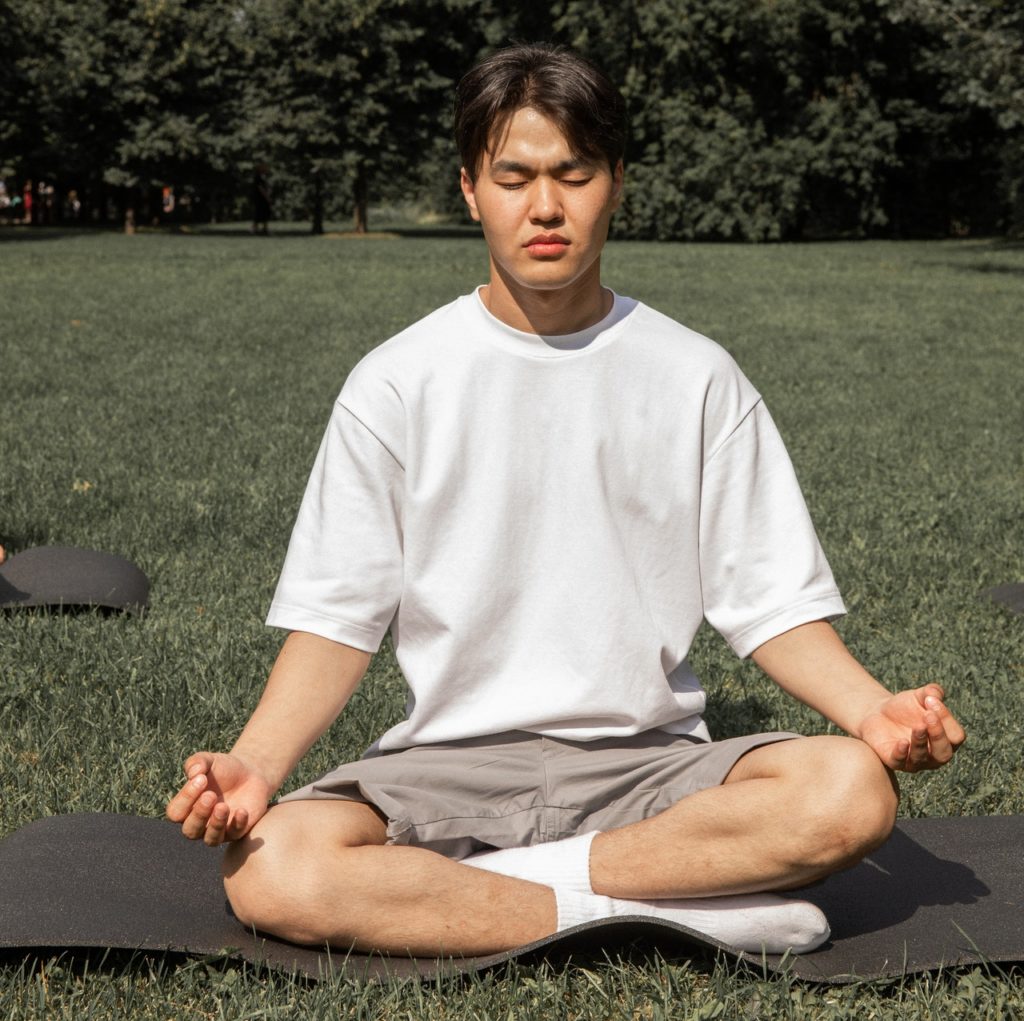

    Gabby K via Pexels

    Learn More:  MBSR Curriculum Guide

    References

    1. Andersen, S. R., Würtzen, H., Steding-Jessen, M., Christensen, J., Andersen, K. K., Flyger, H., Mitchelmore, C., Johansen, C., & dalton, S. O. (2013). Effect of mindfulness-based stress reduction on sleep quality: Results of a randomized trial among Danish breast cancer patients. Acta Oncologica, 52(2), 336–344. https://doi.org/10.3109/0284186x.2012.745948
    2. Carlson, L. E., Tamagawa, R., Stephen, J., Drysdale, E., Zhong, L., & Speca, M. (2016). Randomized-controlled trial of mindfulness-based cancer recovery versus supportive expressive group therapy among distressed breast cancer survivors (MINDSET): long-term follow-up results. Psycho-Oncology, 25(7), 750–759. https://doi.org/10.1002/pon.4150
    3. Crane, R. S., Kuyken, W., Hastings, R. P., Rothwell, N., & Williams, J. M. G. (2010). Training Teachers to Deliver Mindfulness-Based Interventions: Learning from the UK Experience. Mindfulness, 1(2), 74–86. https://doi.org/10.1007/s12671-010-0010-9
    4. Dobkin, P. L., Irving, J. A., & Amar, S. (2011). For Whom May Participation in a Mindfulness-Based Stress Reduction Program be Contraindicated? Mindfulness, 3(1), 44–50. https://doi.org/10.1007/s12671-011-0079-9
    5. Hartmann, M., Kopf, S., Kircher, C., Faude-Lang, V., Djuric, Z., Augstein, F., Friederich, H. C., Kieser, M., Bierhaus, A., Humpert, P. M., Herzog, W., & Nawroth, P. P. (2012). Sustained Effects of a Mindfulness-Based Stress-Reduction Intervention in Type 2 Diabetic Patients: Design and first results of a randomized controlled trial (the Heidelberger Diabetes and Stress-Study). Diabetes Care, 35(5), 945–947. https://doi.org/10.2337/dc11-1343
    6. Hoge, E. A., Bui, E., Marques, L., Metcalf, C. A., Morris, L. K., Robinaugh, D. J., Worthington, J. J., Pollack, M. H., & Simon, N. M. (2013). Randomized Controlled Trial of Mindfulness Meditation for Generalized Anxiety Disorder. The Journal of Clinical Psychiatry, 74(08), 786–792. https://doi.org/10.4088/jcp.12m08083
    7. Hughes, J. W., Fresco, D. M., Myerscough, R., H. M. van Dulmen, M., Carlson, L. E., & Josephson, R. (2013). Randomized Controlled Trial of Mindfulness-Based Stress Reduction for Prehypertension. Psychosomatic Medicine, 75(8), 721–728. https://doi.org/10.1097/psy.0b013e3182a3e4e5
    8. Jalali, D., Abdolazimi, M., Alaei, Z., & Solati, K. (2019). Effectiveness of mindfulness-based stress reduction program on quality of life in cardiovascular disease patients. IJC Heart & Vasculature, 23, 100356. https://doi.org/10.1016/j.ijcha.2019.100356
    9. Kabat-Zinn, J. (1982). An outpatient program in behavioral medicine for chronic pain patients based on the practice of mindfulness meditation: Theoretical considerations and preliminary results. General Hospital Psychiatry, 4(1), 33–47. https://doi.org/10.1016/0163-8343(82)90026-3
    10. Kabat-Zinn, J. (2003). Mindfulness-Based Interventions in Context: Past, Present, and Future. Clinical Psychology: Science and Practice, 10(2), 144–156. https://doi.org/10.1093/clipsy/bpg016
    11. Kabat-Zinn, J. (2011). Some reflections on the origins of MBSR, skillful means, and the trouble with maps. Contemporary Buddhism, 12(1), 281–306. https://doi.org/10.1080/14639947.2011.564844
    12. Kearney, D. J., McDermott, K., Malte, C., Martinez, M., & Simpson, T. L. (2011). Association of participation in a mindfulness program with measures of PTSD, depression and quality of life in a veteran sample. Journal of Clinical Psychology, 68(1), 101–116. https://doi.org/10.1002/jclp.20853
    13. Momeni, J., Omidi, A., Raygan, F., & Akbari, H. (2016). The effects of mindfulness-based stress reduction on cardiac patients’ blood pressure, perceived stress, and anger: a single-blind randomized controlled trial. Journal of the American Society of Hypertension, 10(10), 763–771. https://doi.org/10.1016/j.jash.2016.07.007
    14. Pbert, L., Madison, J. M., Druker, S., Olendzki, N., Magner, R., Reed, G., Allison, J., & Carmody, J. (2012). Effect of mindfulness training on asthma quality of life and lung function: a randomised controlled trial. Thorax, 67(9), 769–776. https://doi.org/10.1136/thoraxjnl-2011-200253
    15. Reiner, K., Tibi, L., & Lipsitz, J. D. (2013). Do Mindfulness-Based Interventions Reduce Pain Intensity? A Critical Review of the Literature. Pain Medicine, 14(2), 230–242. https://doi.org/10.1111/pme.12006
    16. Schmidt, S., Grossman, P., Schwarzer, B., Jena, S., Naumann, J., & Walach, H. (2011). Treating fibromyalgia with mindfulness-based stress reduction: Results from a 3-armed randomized controlled trial☆. Pain, 152(2), 361–369. https://doi.org/10.1016/j.pain.2010.10.043
    17. Vibe, M., Bjørndal, A., Fattah, S., Dyrdal, G. M., Halland, E., & Tanner‐Smith, E. E. (2017). Mindfulness‐based stress reduction (MBSR) for improving health, quality of life and social functioning in adults: a systematic review and meta‐analysis. Campbell Systematic Reviews, 13(1), 1–264. https://doi.org/10.4073/csr.2017.11
    18. Zernicke, K. A., Campbell, T. S., Blustein, P. K., Fung, T. S., Johnson, J. A., Bacon, S. L., & Carlson, L. E. (2012). Mindfulness-Based Stress Reduction for the Treatment of Irritable Bowel Syndrome Symptoms: A Randomized Wait-list Controlled Trial. International Journal of Behavioral Medicine, 20(3), 385–396. https://doi.org/10.1007/s12529-012-9241-6

    Enjoy? Share with your friends

    Share on facebook
    Share on twitter
    Share on linkedin
    Share on reddit
    Related Posts

  • Yoga and Mindfulness as a Tool for Influencing Affectivity, Anxiety, Mental Health, and Stress among Healthcare Workers: Results of a Single-Arm Clinical Trial (Torre et al., 2020)

    Yoga and Mindfulness as a Tool for Influencing Affectivity, Anxiety, Mental Health, and Stress among Healthcare Workers: Results of a Single-Arm Clinical Trial (Torre et al., 2020)

    Yoga and Mindfulness as a Tool
    for Influencing Affectivity, Anxiety, Mental Health, and Stress among Healthcare Workers: Results of a Single-Arm Clinical Trial

    (Torre et al., 2020)


    By Emily Badillo


    YOGA AND MINDFULNESS AS A TOOL FOR INFLUENCING AFFECTIVITY, ANXIETY, MENTAL HEALTH, AND STRESS AMONG HEALTHCARE WORKERS: RESULTS OF A SINGLE-ARM CLINICAL TRIAL
    Andrea Piacquadio via Pexels

    Mindfulness-based interventions (MBIs) have garnished the attention of researchers as effective treatments for stress, chronic pain, anxiety, and recurrent depression in both clinical and nonclinical populations. Within the workplace, MBIs have also been shown to enhance overall well-being. 

    Kundalini yoga has been used to decrease perceived stress, depression symptoms and salivary cortisol levels, treat generalized anxiety and improve participants’ quality of life. 

    Both mindfulness and yoga influence individual brain networks, integrated brain states, and brain-body interactions. Furthermore, both time-honored practices place particular emphasis on posture, breath, the autonomous nervous system, and the major neural networks involved in the regulation of cognition and emotion.

    Healthcare workers (HCWs) face daily stressors while working in hospital settings  leading to consequences on their quality of life and mental and physical health, which inturn, impacts the entire healthcare system at large. This single-arm clinical trial (CT) assesses the effectiveness of a YoMin intervention (yoga and mindfulness; specifically MBSR) in improving mental well-being in HCWs. Here, researchers analyzed participants’ quality of life, work-related stress, positive and negative affect, and state and trait anxiety. 


    EVG Photos via Pexels

    Torre and colleagues recruited 70 HCWs from two hospitals in Rome, Italy for a 4-week course in yoga and mindfulness. Each week, participants attended one 2-hour section of yoga and one 2-hour section of mindfulness on the same day. Each yoga class emphasized elements of kundalini yoga and invited participants to pay specific attention to posture and breathing as a valuable method to manage their mind. Each mindfulness class included a body scan, focused attention exercises, a walking meditation, an open monitoring meditation, a period of inquiry about the practice with feedback from the mindfulness teachers, and instructions about homework at the end.

    Participants were instructed to complete surveys at baseline, before starting each 4-hour session, at the end of each 4-hour session and 21 days after course completion. Of the 70 HCWs that initially enrolled, 40 were included in the final analysis with 34 females and 6 males, 13 physicians, 15 nurses, and 12 other HCWs.

    Study results revealed that participants reported an immediate reduction in anxiety after a one day 4-hour YoMin session. Moreover, participants reported sustained decreased trait anxiety 3-4 weeks after the end of the course. It is interesting to note that while there was no significant difference in pre- and post-intervention scores with regards to positive affect, negative affect had an improvement. This means that while aspects such as energy, enthusiasm, and self-confidence were not affected, aspects such as fear, weakness, and anger were effectively diminished. Furthermore, while no significant results were found regarding physical health, the HCWs mental well-being significantly improved.

    “This study highlights the ever increasing need for healthcare systems to implement in-house interventions that will improve HCWs mental well-being and reduce burnout.”

    While a notable advantage of this study is the combination of yoga and mindfulness practices into one 4-week YoMin intervention, this study has substantial limitations. This study aimed to specifically help HCWs in the hospital environment; however, results from the only work-related questionnaire were not significant. Participants reported no change in perceived decision latitude, job demand, nor job strain. Also, results only included a 21-day follow up and future studies should look to incorporate 6-month to 1-year follow-ups to examine lasting effects. Future studies should also seek to incorporate physical and biochemical parameters.

    In a time when HCWs are on the frontlines of a global pandemic, the findings from this study are especially pertinent. This study highlights the ever increasing need for healthcare systems to implement in-house interventions that will improve HCWs mental well-being and reduce burnout. Brief 4-week interventions such as yoga and MBIs can be used to reduce stress and anxiety in HCWs and their respective communities.

    Enjoy? Share with your friends

    Related Posts

  • Role of Yoga and Mindfulness in Severe Mental Illnesses: A Narrative Review (Sathyanarayan et al., 2019)

    Role of Yoga and Mindfulness in Severe Mental Illnesses: A Narrative Review (Sathyanarayan et al., 2019)

    Role of Yoga and Mindfulness in Severe Mental Illnesses:
    A Narrative Review

    (Sathyanarayan et al., 2019)

    By Emily Badillo

    ROLE OF YOGA AND MINDFULNESS IN SEVERE MENTAL ILLNESSES: A NARRATIVE REVIEW
    Photo by Retha Ferguson from Pexels

    Yoga, translated as “union,” is a philosophical science that offers body, breath, and meditation techniques and practices that have demonstrated significant results in the treatment of various physical and psychiatric disorders.

    Another age-old technique, mindfulness, similarly attracts attention in the scientific sphere. Mindfulness stems from the Buddhist culture and emphasizes nonjudgmental focused attention of the present moment and acceptance of internal experiences.

    Evidence-based scientists have found mindfulness to aid in improvement in coping and self-compassion, reducing stress, anxiety, depression, and obsessive-compulsive symptoms in individuals.

    Image by Gerd Altmann from Pixabay

    Most patients with severe mental illnesses (SMIs) such as schizophrenia, major depressive disorder (MDD), and bipolar disorder (BD) have found that current pharmacological agents do not aid in attaining complete remission. Additionally, minimal effects on cognitive deficits coupled with adverse side effects of current medications have led scientists to seek out alternative therapeutic modalities such as yoga and mindfulness to aid in the treatment of SMIs.

    The current study reviewed the wider scientific literature for the role of yoga and mindfulness interventions in the treatment of SMIs. Sathyanarayanan and colleagues (2019) reviewed scientific literature from the past 10 years that focused on either yoga therapy (YT) or mindfulness-based interventions (MBI) that ranged from 40 to 90 min and 60 to 120 min per session in the YT and MBI groups, respectively. 

    “The current study concludes with emphasizing the importance of integrating yoga and mindfulness interventions as add-on therapy for major mental health disorders.”

    Effects of YT and MBI on schizophrenia and other psychotic spectrum disorders

    Both YT and MBI found positive functional outcomes for schizophrenic individuals including better social and occupational functioning, quality of life, achieving functional remission, flexibility of thinking, subjective well-being, improvements in state anxiety, reduction of paranoid beliefs hygiene, life skills, interpersonal activities, and communication. To note, clinicians may want to  consider sleep-deprivation or stress derived psychosis and mania before suggesting yoga or yoga-trainings to certain patients (Lu and Pierre, 2007).

    YT and MBI in bipolar disorder

    The review also examined the effects of YT and MBI on BD. Of those included, YT and MBI were found to improve focusing ability, relaxation, distraction from negative thoughts, a sense of accomplishment, reduction in anxiety and depression, and reduction of negative effects such as agitation with rapid breathing. YT and MBI have also been found to induce a sense of stability in participants that is self-reported to help with managing mood changes and further relapse and facilitate reframing negative thoughts. On the other hand, one study found that heated energetic yoga facilitated patients from hypomanic to manic states and found an increase in depression-like symptoms with meditation, thus further research is required to fully understand how YT and MBI effect BD.

    YT and MBI in major depressive disorder

    Both YT and MBI have demonstrated significant improvement in depression. Interestingly, YT has also been found to improve anxiety, increase behavioral activation, and increase life satisfaction in depressed patients. Maintenance of positive effects produced require continued practice of mindfulness skills and depressive symptoms appear to be directly related to the baseline magnitude of depression.

    Sathyanarayanan and colleagues emphasize that the studies included in this review, similar to the greater body of scientific literature, have several limitations. Some limitations include patients groups initially experiencing low levels of symptom severity before treatment, lack of waitlist control groups, varying frequencies and lengths of time in each session of yoga and mindfulness-based training and practice, and a lack of personalized instruction from a trained yoga therapist. These limitations can be addressed in future research studies.

    The current study concludes with emphasizing the importance of integrating yoga and mindfulness interventions as add-on therapy for major mental health disorders. Further systematic studies are needed to study the beneficial effects and potential neurobiological mechanisms to fully understand the clinical application of yoga therapy and mindfulness-based interventions in the treatment of severe mental illness.

    Enjoy? Share with your friends

    Related Posts